
Last updated November 17, 2026
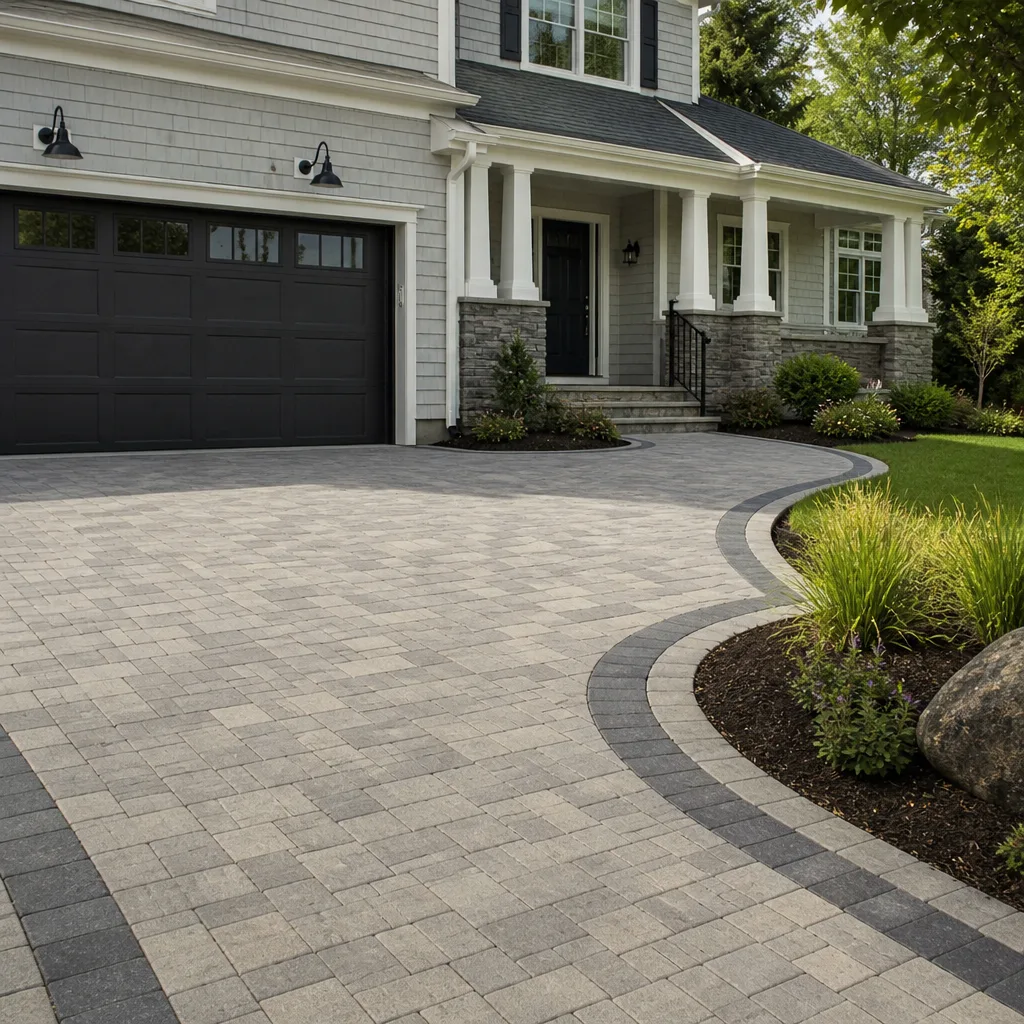 Driveway & pavers
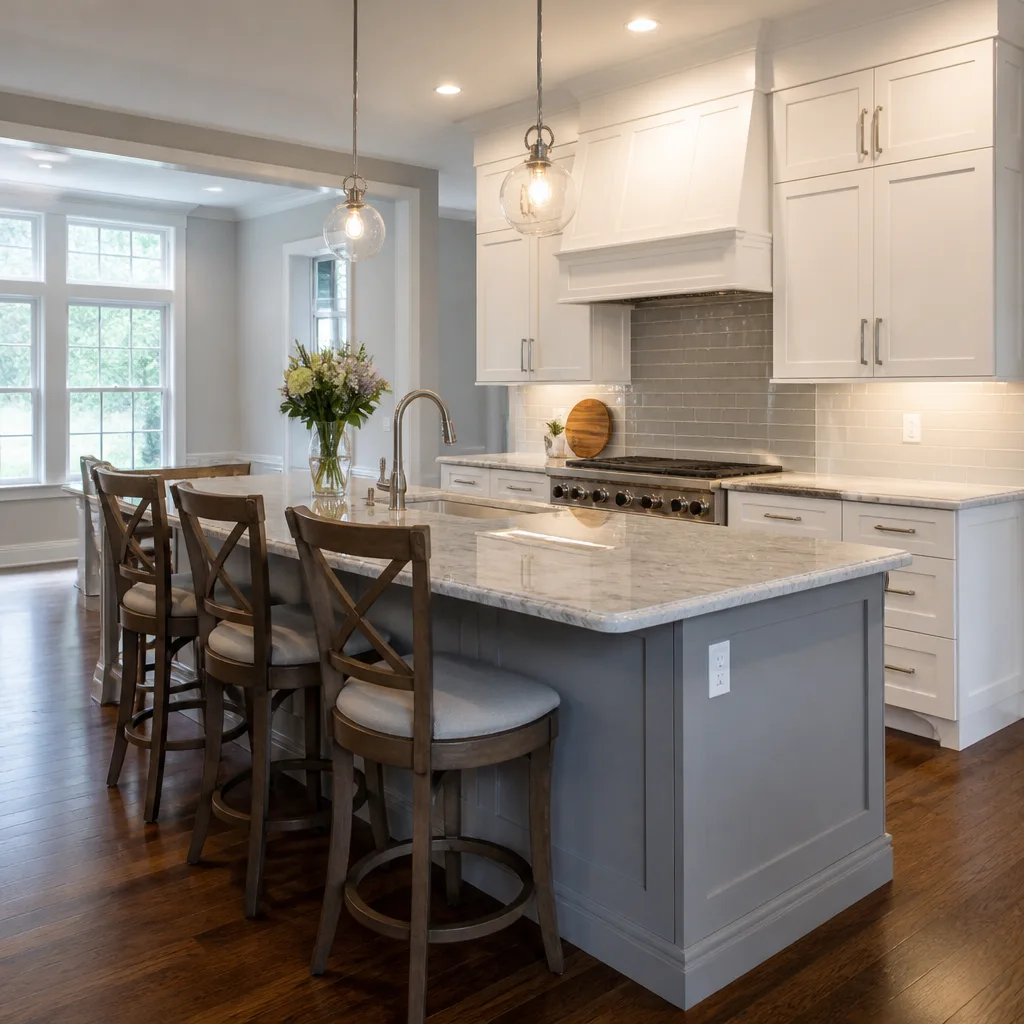 Kitchen remodeling
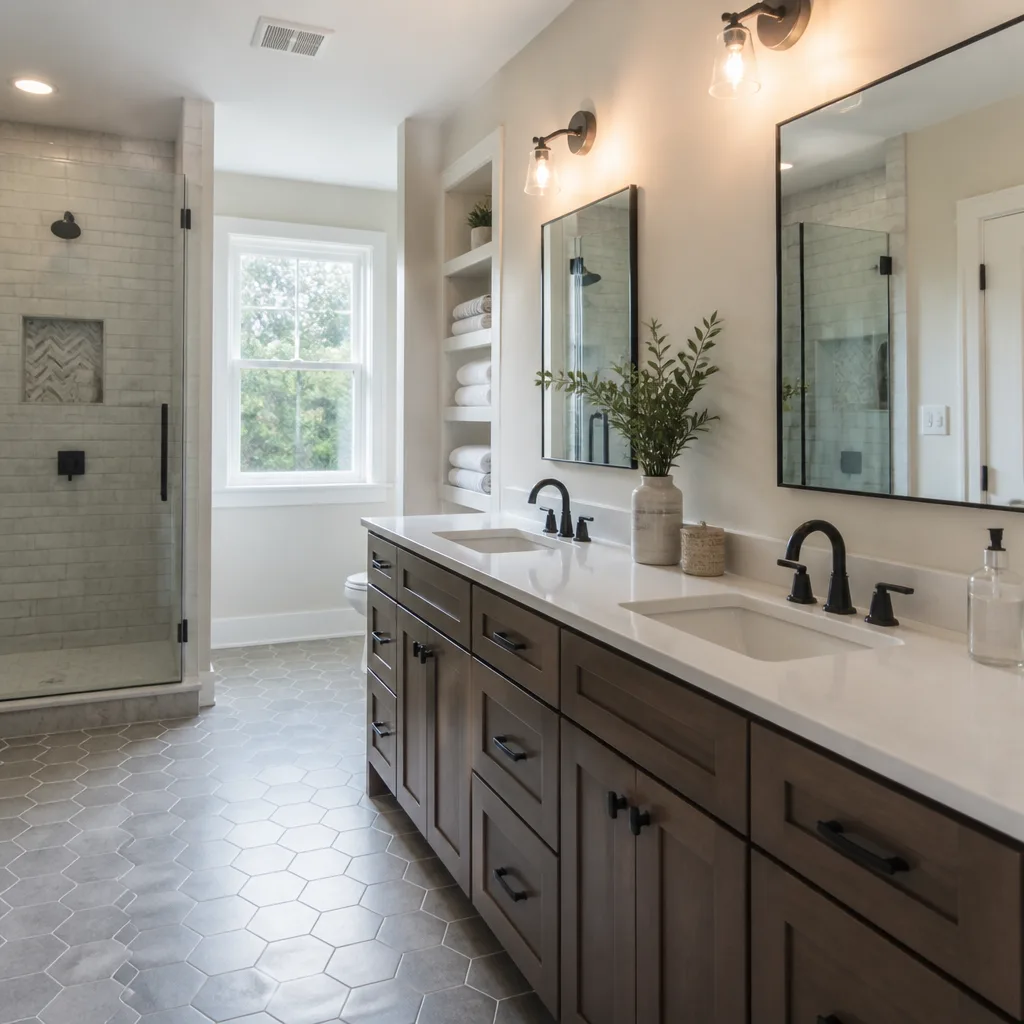 Bathroom remodeling
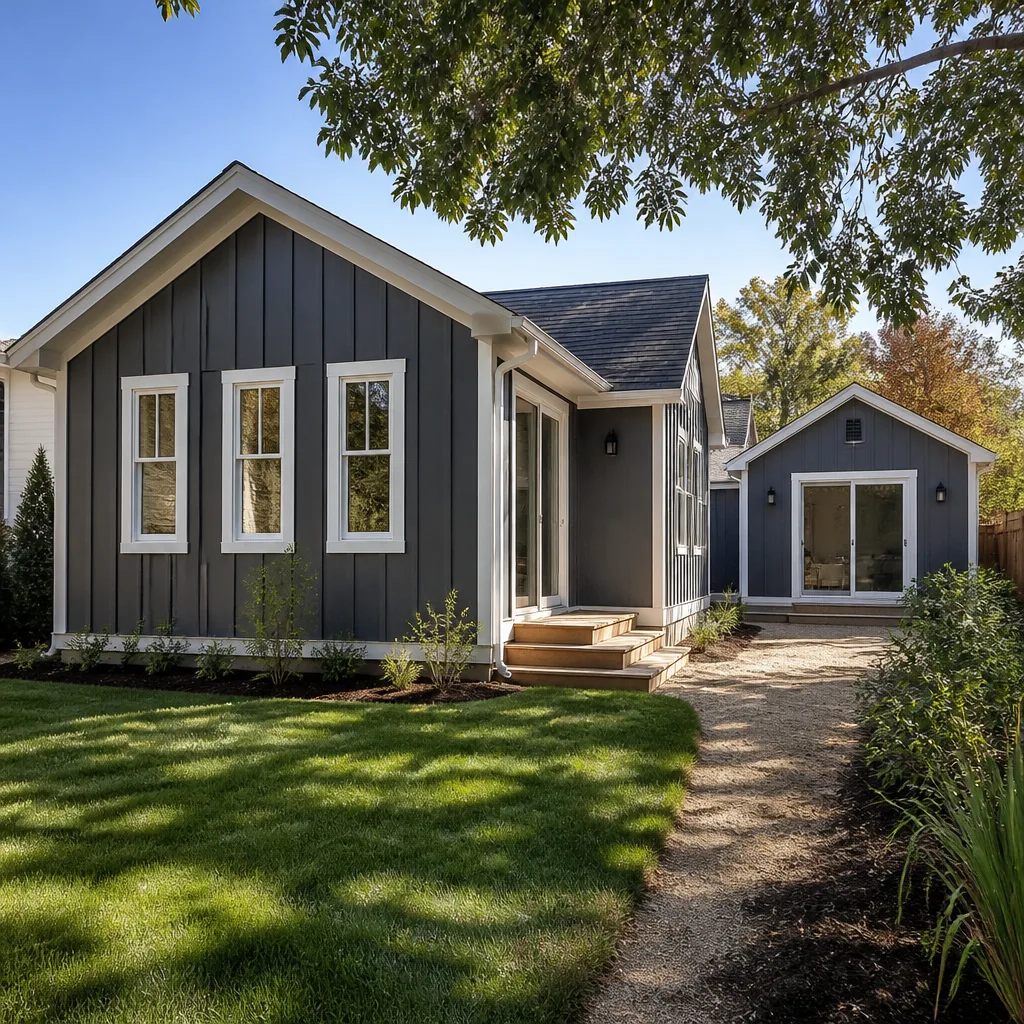 Home additions & ADU
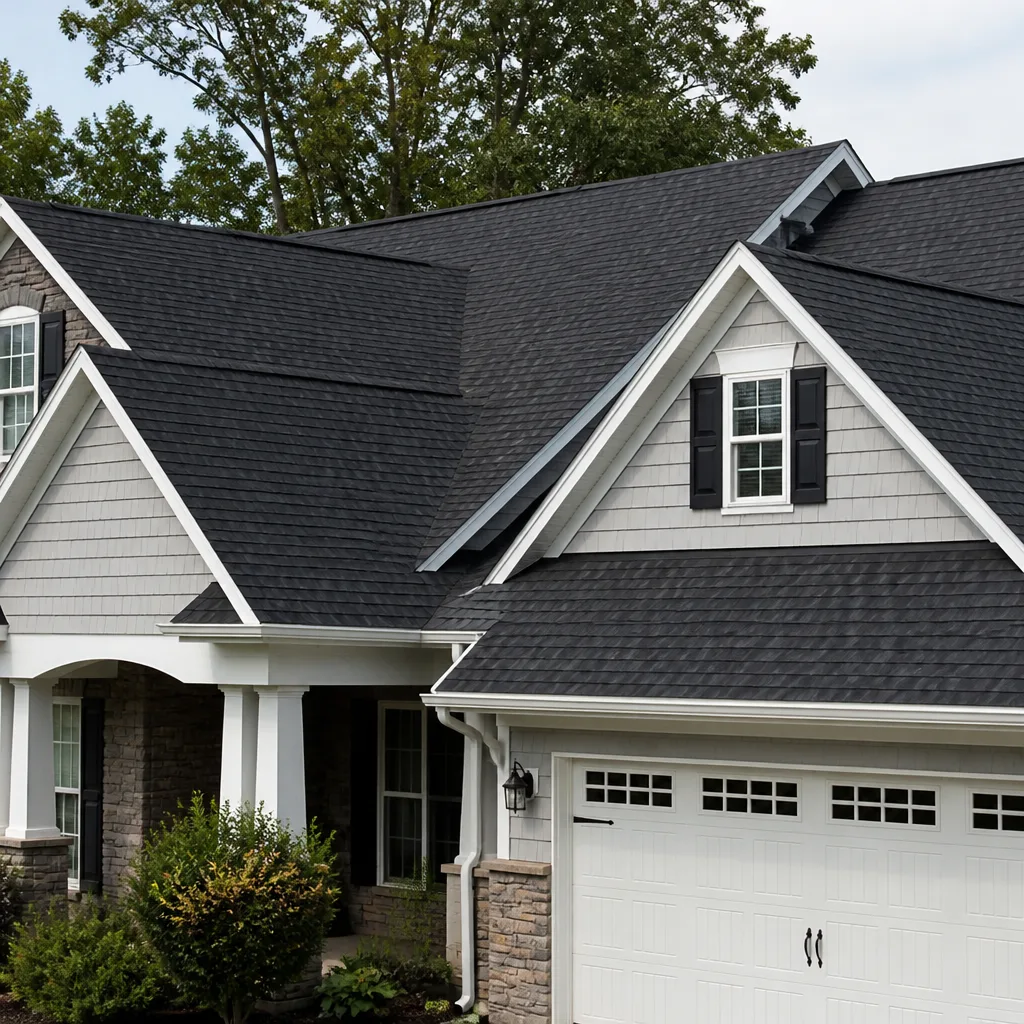 Roofing
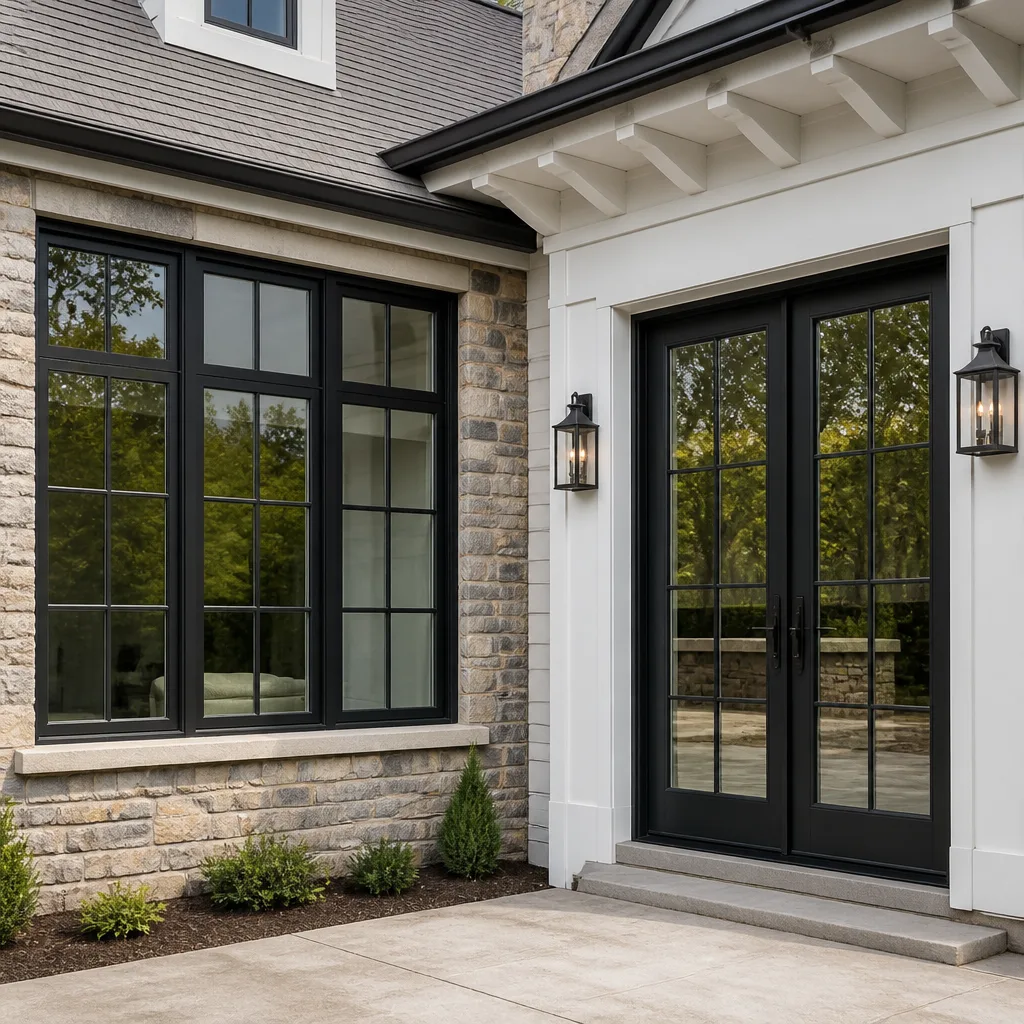 Windows & doors
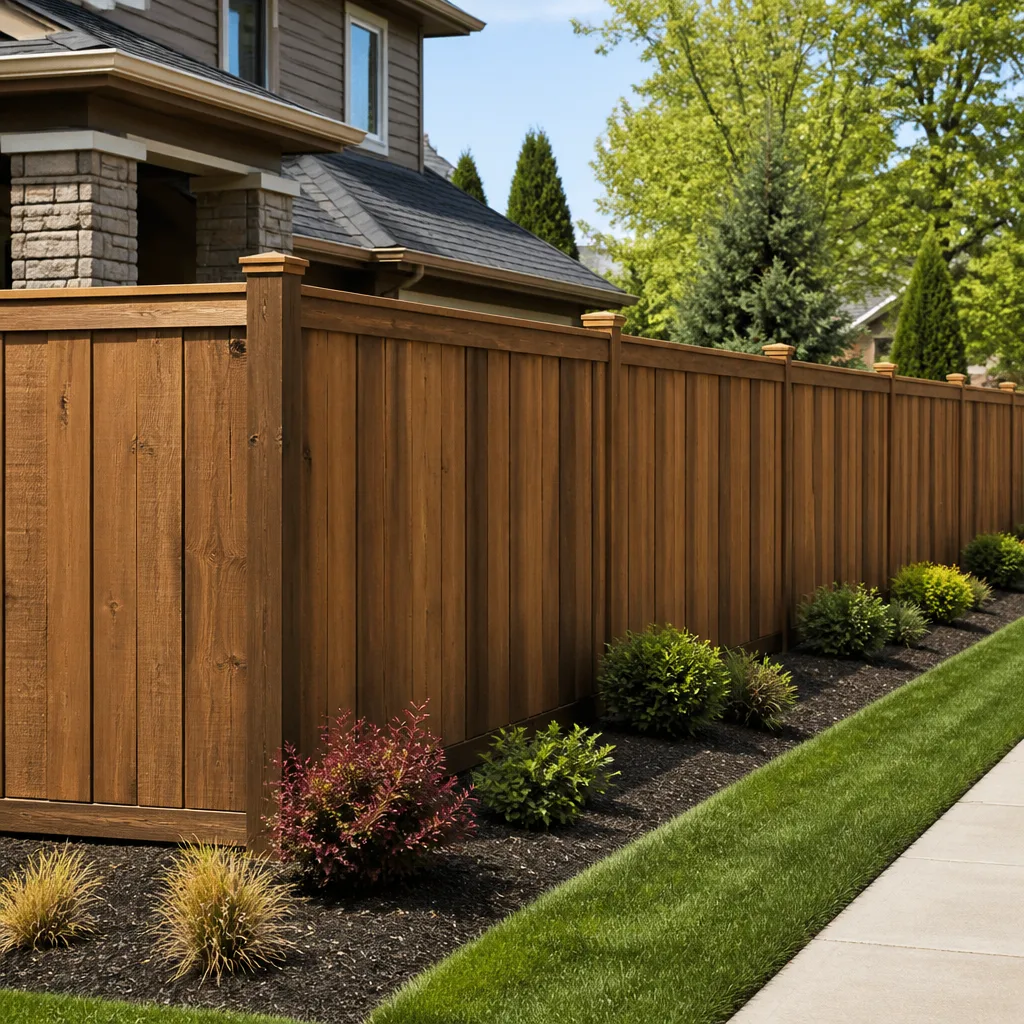 Fence
Free written scope consultation - allowances, timeline, and change-order rules on paper before a single trade is scheduled
The Complete Driveway & Pavers Guide for Yorba Linda Homeowners
Most driveway failures in inland Southern California start six inches underground, not at the surface. Homeowners spend hours comparing paver colors and textures, then never ask how deep the base is or how it was compacted. In a place where clay soil moves with the seasons and the Santa Ana winds dry everything to dust, that base layer decides whether a driveway looks sharp for eight years or holds its line for thirty. This guide covers the materials, base prep, drainage and brand options that actually matter in Yorba Linda, and it shows you how to read an installation bid so you know what you’re really buying.
Quick Answer
A driveway paver installation in Yorba Linda succeeds or fails on three things: a compacted aggregate base deep enough for clay soil, drainage planned around the grade of your lot, and pavers rated for hard UV and heat. Concrete pavers and permeable systems handle local conditions best for most homes, natural stone works on lower-traffic and hillside applications, and Belgard, Unilock, Techo-Bloc, Tremron and Cambridge Pavers all make lines that perform here. Get the base right and the surface takes care of itself.
Styles & brands we work with
- Kitchen remodeling
- Bathroom remodeling
- Home additions & ADU
- Roofing
- Windows & doors
- Driveway & pavers
- Fence
Table of Contents
- Why Yorba Linda’s Clay Soil Changes Everything
- Concrete Pavers vs. Natural Stone vs. Permeable Pavers
- Drainage Planning for Hillside and Tract-Home Lots
- What 50+ Brand Options Means in Practice
- How to Read a Paver Installation Bid
- The Base Prep Steps That Decide the Job
- What Drives the Cost of a Paver Driveway
- Common Mistakes to Avoid
Why Yorba Linda’s Clay Soil Changes Everything
Yorba Linda sits on expansive clay, and that single fact reshapes how a driveway has to be built. Expansive clay swells when it takes on water and shrinks as it dries, and it does this season after season. Coastal communities with sandier profiles can sometimes get away with a thinner, more forgiving base. Here, the ground beneath the pavers is active, and the base has to be built to absorb that movement rather than crack under it.
In practice that means a base layer compacted in lifts, not dumped and smoothed in one pass. Each lift gets watered to the right moisture content and run with a plate compactor or vibratory roller before the next one goes down. Skip that and the clay telegraphs movement straight up through the pavers within a couple of seasons.
- Depth matters more here. The base needs enough thickness to spread load across unstable clay, so bids that cut base depth to save on hauling and gravel are cutting the part that keeps the driveway flat.
- Compaction is a process, not a pass. Lifts compacted one at a time, with moisture controlled, behave very differently from a single deep layer.
- Edge restraint is structural. On clay, pavers spread at the edges first. A properly set edge restraint holds the field together.
- Drainage decides how much the clay moves. Water that pools under a driveway keeps the clay in a constant swell-and-shrink cycle, which is why the next section matters so much.
If you take one thing from this guide, make it this: in Yorba Linda, the base is the driveway. The pavers are the finish. We’ve seen beautiful surfaces fail and plain surfaces last decades, and the base is almost always the reason.
Concrete Pavers vs. Natural Stone vs. Permeable Pavers
All three families work in Yorba Linda, but they behave differently under local heat, UV and clay. Here’s how they compare for a typical driveway.
- Concrete pavers. Manufactured to consistent strength, available in a huge range of colors and shapes, and forgiving of small base movement because they’re set with joints and sand. Good UV-stable pigment holds color through hard sun. This is the workhorse choice for most Yorba Linda driveways.
- Natural stone. Beautiful and long-lived, but heavier, more expensive, and less tolerant of movement underneath. Stone shines on lower-traffic aprons, walkways and entries, and on hillside lots where design is as important as traffic. It demands a very solid base.
- Permeable pavers. Engineered with wider joints and open-graded base so water drains through the surface instead of running off. On clay, permeable systems need an underdrain or a designed outlet, because water that passes through the pavers still has to go somewhere. Done right, they shed runoff and reduce pooling.
Heat and UV are the local equalizers. Dark pavers absorb more heat and can get uncomfortable underfoot near a sunny entry; lighter tones stay cooler. Whatever the material, ask about the base design and joint sand, because those determine performance under sun and seasonal clay movement far more than surface color.
For full installation detail across all three families, our driveway & pavers page walks through the process from excavation to joint sand.
Drainage Planning for Hillside and Tract-Home Lots
Yorba Linda has two very different lot types, and each creates its own drainage question. Hillside lots push water downhill fast and need to steer it away from the house and the driveway edge before it pools. Tract-home lots often have tight side yards and shared grades, where a driveway that sheds water toward a neighbor’s property becomes a problem fast.
Drainage gets planned before any gravel goes down. A sound plan answers three questions:
- Where does water enter the site? Roof downspouts, uphill runoff and gutter discharge all get accounted for.
- Where should it go? Channel drains, trench drains, swales or grade changes carry it to a legal outlet, not just “away.”
- Does the surface help or fight that plan? Proper slope on the finished driveway, and a permeable system where pooling is a problem, both work with the drainage rather than against it.
Yorba Linda’s hard water and heavy runoff can also leave mineral staining and efflorescence on pavers, so how a driveway drains affects how it looks over time. Plan the outlet, slope and surface together and the driveway ages clean; ignore drainage and you’ll be resealing stains and patching low spots for years.
What 50+ Brand Options Means in Practice
Most contractors install the one or two paver lines they’re set up to carry. That’s convenient for the contractor and limiting for you. Working with 50+ manufacturer brands across our trade categories changes that: you choose the product and the lines that suit your home, and we handle the installation. Spec’d to your standard, not ours.
For driveways, the names that matter most are Belgard, Unilock, Techo-Bloc, Tremron and Cambridge Pavers. Each has lines built for traffic and local conditions, and each covers different looks and price tiers:
- Belgard covers a wide range of shapes and finishes with systems designed for driveway traffic.
- Unilock is known for structured, dimensional paver styles that hold up to heavy use.
- Techo-Bloc brings strong design-driven options and permeable systems.
- Tremron offers regional availability and practical traffic-rated lines.
- Cambridge Pavers covers classic and contemporary driveway looks with solid structural options.
The point isn’t to name-drop. It’s that the right answer, whether you want a classic look that matches the neighborhood or a permeable system that solves a drainage problem, is a real choice rather than whatever line happens to be on hand. You choose the brand; we handle the installation.
How to Read a Paver Installation Bid
A paver bid is either clear enough to compare line by line or it isn’t. When you know what to look for, cutting corners becomes obvious on paper. Here’s the checklist we’d use in your position.
- Excavation depth. The bid states how deep the existing material gets removed. Shallow excavation means a thinner base, and thin base over clay is where failures start.
- Base material and depth. Look for a specified aggregate, base thickness in inches, and language about compaction in lifts. “Gravel and compact” isn’t enough; ask for the depth and the method.
- Edge restraint. A proper edge system should be listed. On clay, edges move first, so this isn’t optional.
- Drainage. Drains, grade and outlet are named if they’re being handled. If the bid is silent on drainage, ask who’s responsible for it.
- Paver brand and line. The specific manufacturer and product line should be named, not a generic “concrete pavers.”
- Joint sand and compaction of the surface. Joint sand and a final compaction pass belong on the bid.
- Hauling and disposal. Removing the old driveway and hauling it off is a real cost line. Its absence may mean it’s buried under the new base, which is a bad sign in clay soil.
Estimates are free, and a written, line-item quote with a fixed price and no change orders is the standard you should hold any contractor to. That’s the standard we hold to. If a bid reads as one lump sum with no detail on base or drainage, it’s not really a bid yet.
The Base Prep Steps That Decide the Job
The base work is where a driveway in Yorba Linda is either built or lost, and it happens in a set sequence. Knowing the steps lets you follow along and ask the right questions.
- Excavate to the planned depth. Remove the old surface and enough soil to make room for the full base, bedding layer and paver thickness.
- Grade and shape. Shape the subgrade to the planned slopes and outlets so water has somewhere to go from the start.
- Lay and compact base in lifts. Place the aggregate base and compact it one lift at a time with moisture controlled before the next lift.
- Set edge restraint. Install and pin the edge system so the field has something to lock into.
- Place the setting bed. Spread and screed the bedding layer to a consistent thickness.
- Lay the pavers and cut in edges. Set the pavers to the chosen pattern and cut the field in at edges, drains and thresholds.
- Sweep joint sand and compact. Fill joints with sand, compact the surface and top off the joints.
Each step is checkable mid-job. If you see a base dump and a single quick pass with a plate compactor, or a finished driveway with no edge restraint, you’re watching shortcuts. Our technicians have up to 9 years of experience, and the base sequence is the first thing they get right.
What Drives the Cost of a Paver Driveway
Paver driveway pricing isn’t a single number. It’s a total shaped by site conditions and the material and base design you choose. The written estimate you receive sets the final price, and pricing is set per job.
What moves the number up or down:
- Size and access. Driveway square footage and site access drive excavation, base volume and labor.
- Base depth and site conditions. Expansive clay and hilly lots can mean more excavation and a deeper base than a flat, forgiving site.
- Material family and line. Concrete pavers sit at one end, natural stone at the other, with permeable systems in between.
- Drainage work. Drains, outlets and grading changes add cost, but they protect the investment.
- Removal and haul-off. Tearing out and disposing of the old driveway is real work.
Every element of that belongs on a written, line-item estimate with a fixed price. If the base depth and drainage scope are spelled out, you can compare bids fairly and see where a cheaper bid is really cheaper.
From the Fence Line to the Roofline
A driveway project touches more of your property than it seems. When your new driveway meets a worn fence line, or your drainage plan reaches the corner of a home addition, having one contractor who can carry the whole exterior scope is a real advantage. We handle seven trade categories under one roof, from fence installation and pavers to home additions & ADU work, so nothing falls between vendors. Roofing brands like GAF and CertainTeed, and fixtures like Grohe and Sterling, come from the same brand depth that gives you real choice in pavers. It’s one point of contact from permit to punch-list, and you’ll find the full scope at Construction Yorba Linda.
Common Mistakes to Avoid
- Skipping a drainage plan. Water pooling under a driveway keeps clay in constant motion. Plan the outlet before the base goes down.
- Accepting a thin base. Cutting base depth saves the contractor money and costs you the driveway. Confirm the depth in the bid.
- Choosing color before base design. Surface appearance gets all the attention, but base and drainage decide longevity, especially in Yorba Linda.
- Ignoring edge restraint. On expansive clay, edges spread first. A proper edge system isn’t a detail you can leave out.
- Buying the contractor’s only line. If you’re shown one brand with no options, you’re being sold inventory, not a solution.
- Comparing lump-sum bids. Without line items on base, drainage and haul-off, you can’t tell a fair bid from a cheap one.
- Forgetting the pattern set. Slope changes common on hillside and tract lots mean the paver layout and cuts need planning, not an afterthought.
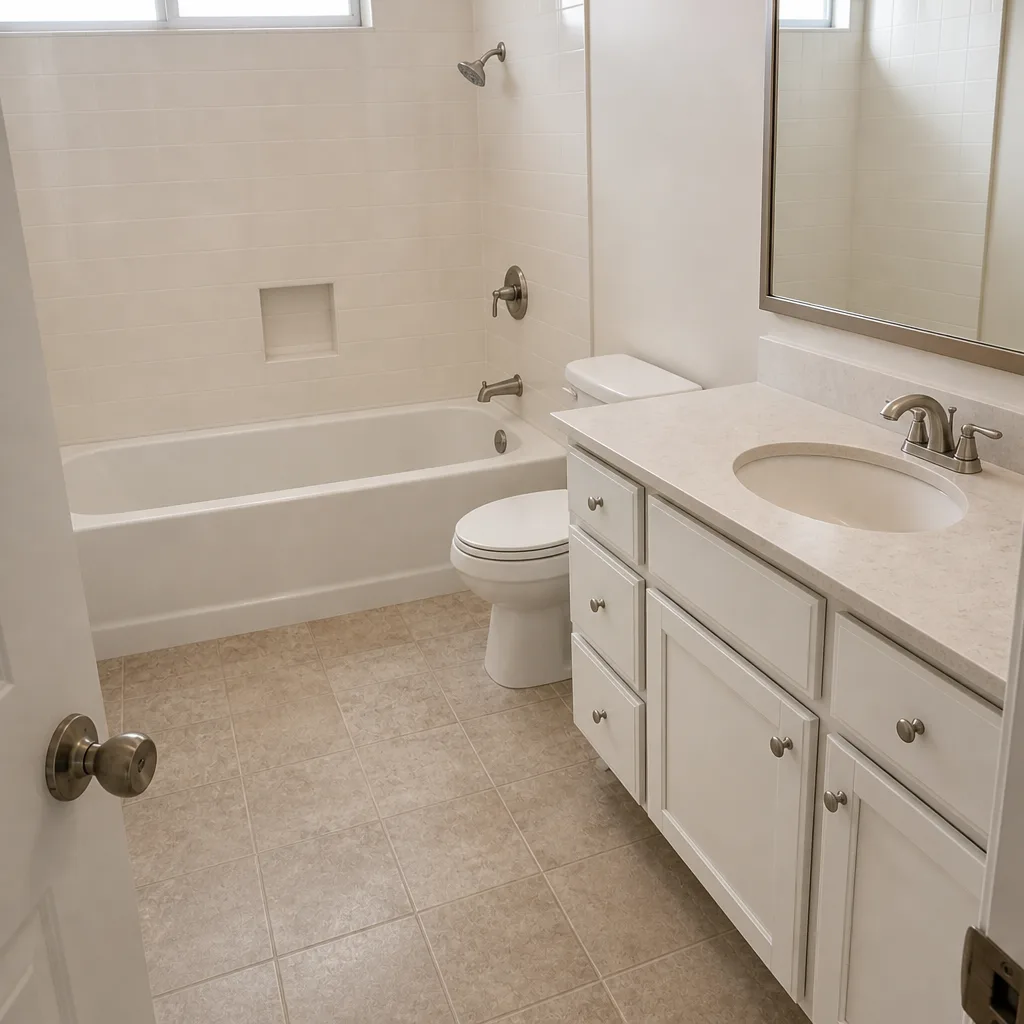
See the difference
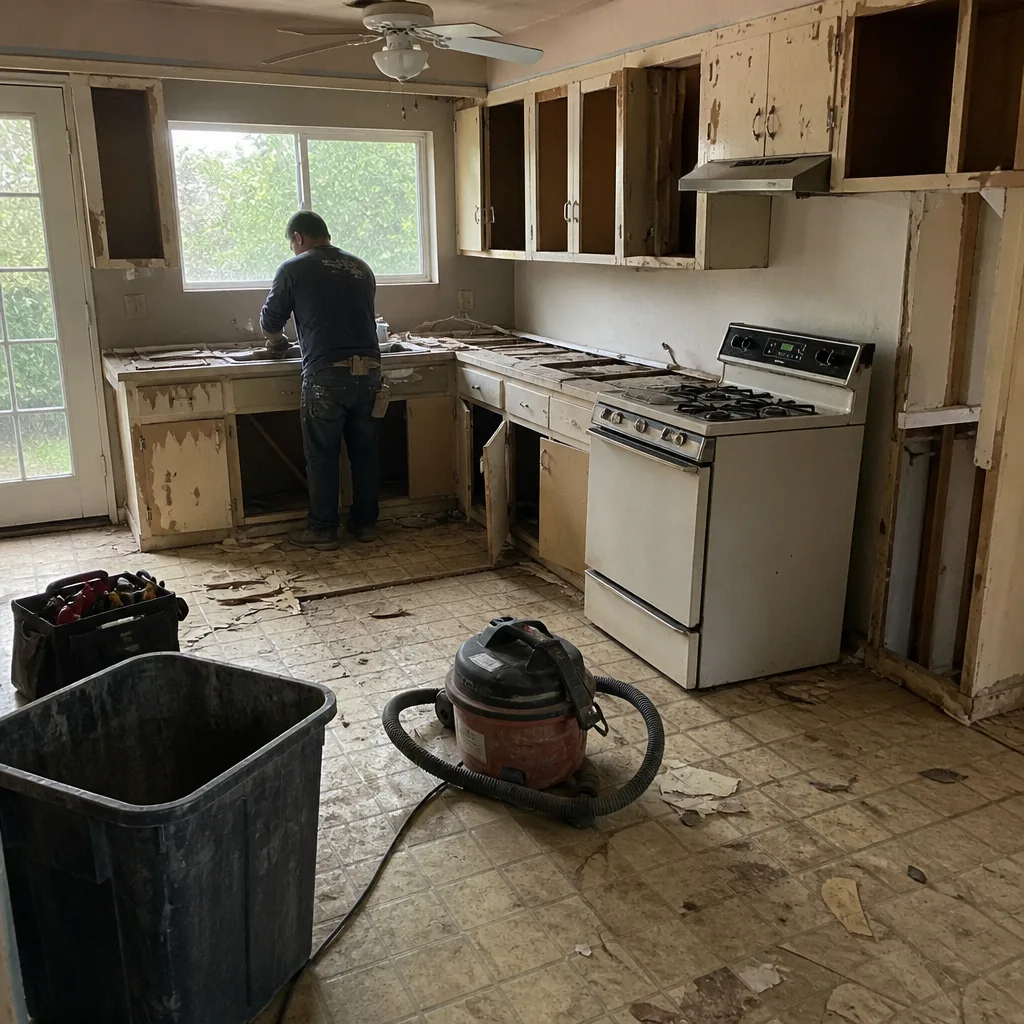 Before
 After
 Before
 After
 Before
 After
When to Call a Professional
Call a professional when your driveway is cracking over clay, when water pools on the surface or against the house, when an existing driveway’s edges are spreading, or when you’re planning a pavers project and want the base and drainage done right. These are engineering problems as much as aesthetic ones, and the wrong fix underneath rewrites itself at the surface. A written bid should show you base depth, drainage scope and the specific paver line before any work starts. Construction Yorba Linda offers free estimates in Yorba Linda, with line-item quotes and fixed pricing. Call (888) 356-5940. We answer 24/7. Fast dispatch from 7am to 7pm, Sunday through Friday.
Frequently Asked Questions
Pricing is set per job by the written estimate, since size, base depth, drainage, material line and haul-off all factor in. Get a free line-item estimate in writing so you can compare bids fairly. Call (888) 356-5940 for an exact quote; estimates are free.
Yorba Linda’s expansive clay swells and shrinks with moisture, so the base has to absorb that movement through compacted lifts and proper drainage. A solid base keeps the pavers flat; a thin one lets the clay telegraph movement to the surface.
Concrete pavers with UV-stable pigment and permeable systems both perform well under hard sun, and lighter tones stay cooler underfoot. Belgard, Unilock, Techo-Bloc, Tremron and Cambridge Pavers all make traffic-rated lines suited to the local climate.
Yes. Drainage gets planned before installation, with drains, swales and grade changes carrying water to a legal outlet. Hillside lots need runoff steered away from the house; tract lots need it kept off shared grades. Call (888) 356-5940 to schedule a free estimate.
Where a permit is required, we handle permits and inspections. Most cities require a permit for driveway and grading work, so ask your city’s building department what applies to your project.
No. The written line-item estimate sets a fixed price, and we work from it without change orders. Any surprises get settled before work begins, not after. Call (888) 356-5940 to start with a free estimate.
The Bottom Line
A driveway in Yorba Linda is an engineering job before it’s a design choice. The base has to be built for expansive clay, the drainage planned around your lot and grade, and the pavers chosen for hard UV and heat. Concrete pavers are the workhorse, natural stone shines on lower-traffic areas, and permeable systems solve pooling when they’re designed with a real outlet. The brand choice is yours, from Belgard to Cambridge, and a clear line-item bid is how you tell a fair price from a shortcut. Get the base right and the surface lasts.
Schedule Your Free Estimate
Whether you’re planning a new paver driveway, rethinking drainage on a hillside lot, or tying pavers into a larger exterior project, one contractor can carry the whole scope. Construction Yorba Linda offers free estimates, written line-item quotes, fixed pricing with no change orders, and work that’s spec’d to your standard. Call (888) 356-5940. We answer 24/7. Fast dispatch from 7am to 7pm, Sunday through Friday.
Written by the team at Construction Yorba Linda.