
Last updated November 17, 2026
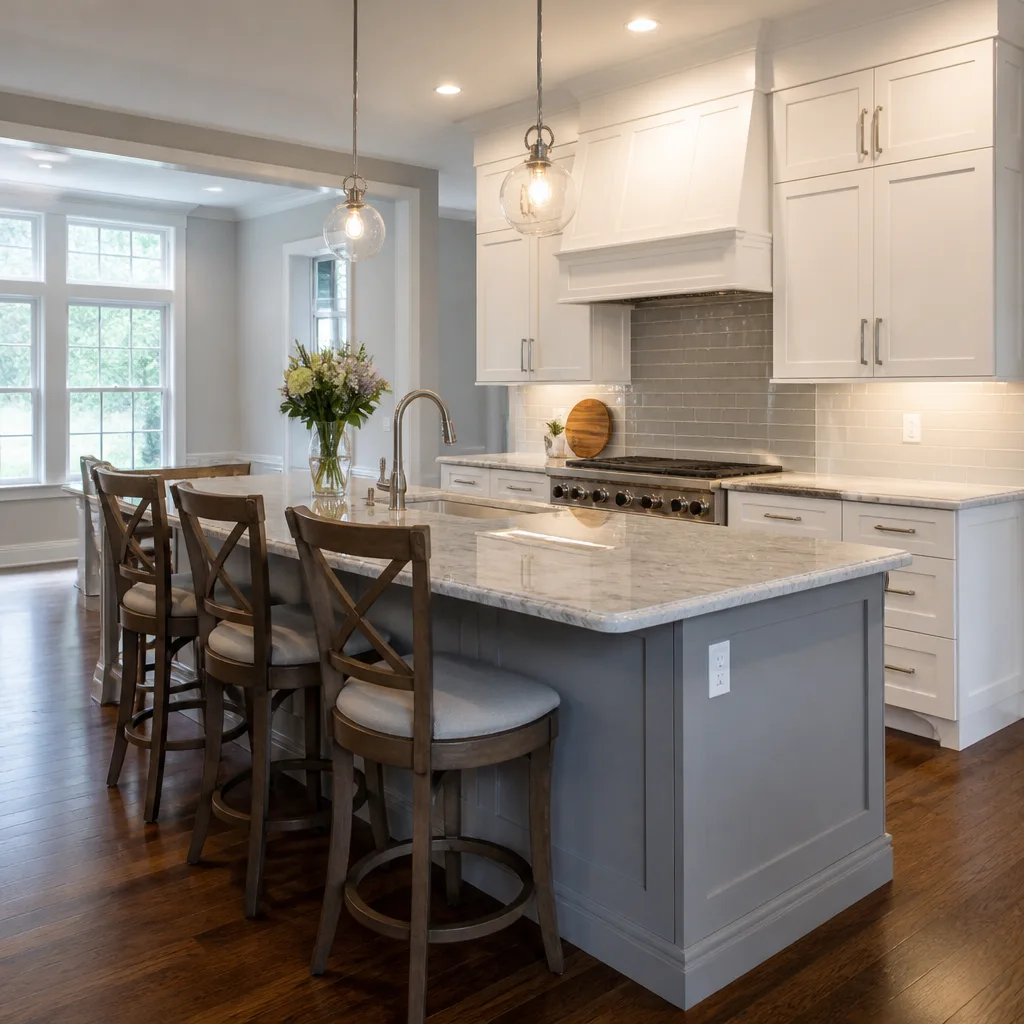 Kitchen remodeling
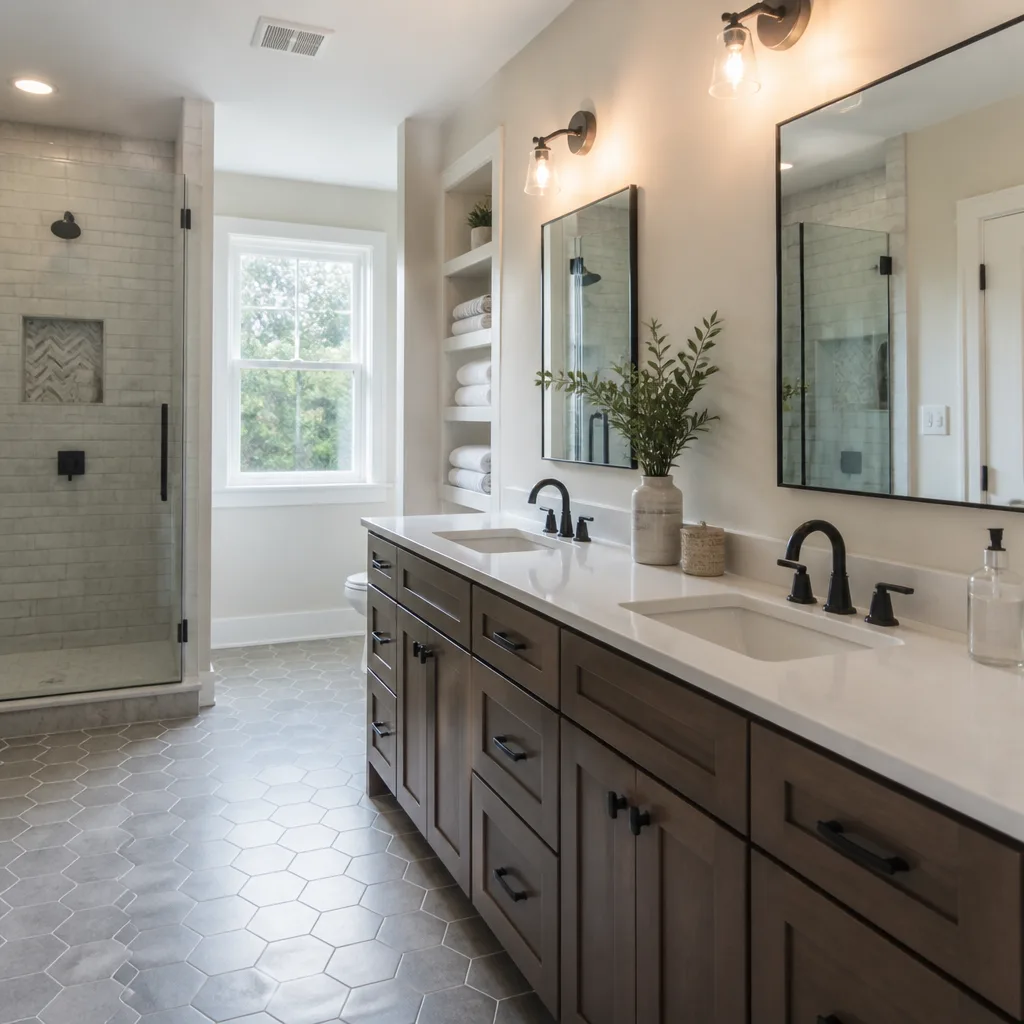 Bathroom remodeling
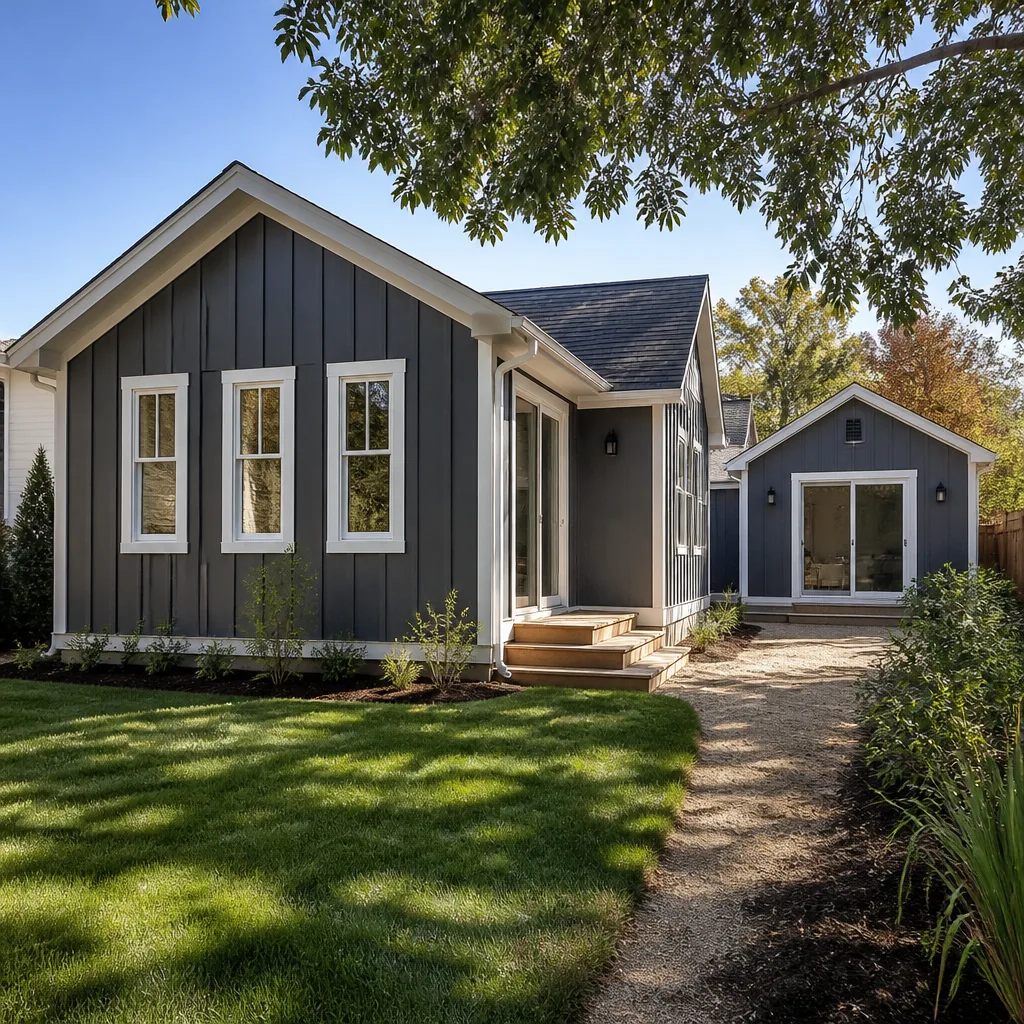 Home additions & ADU
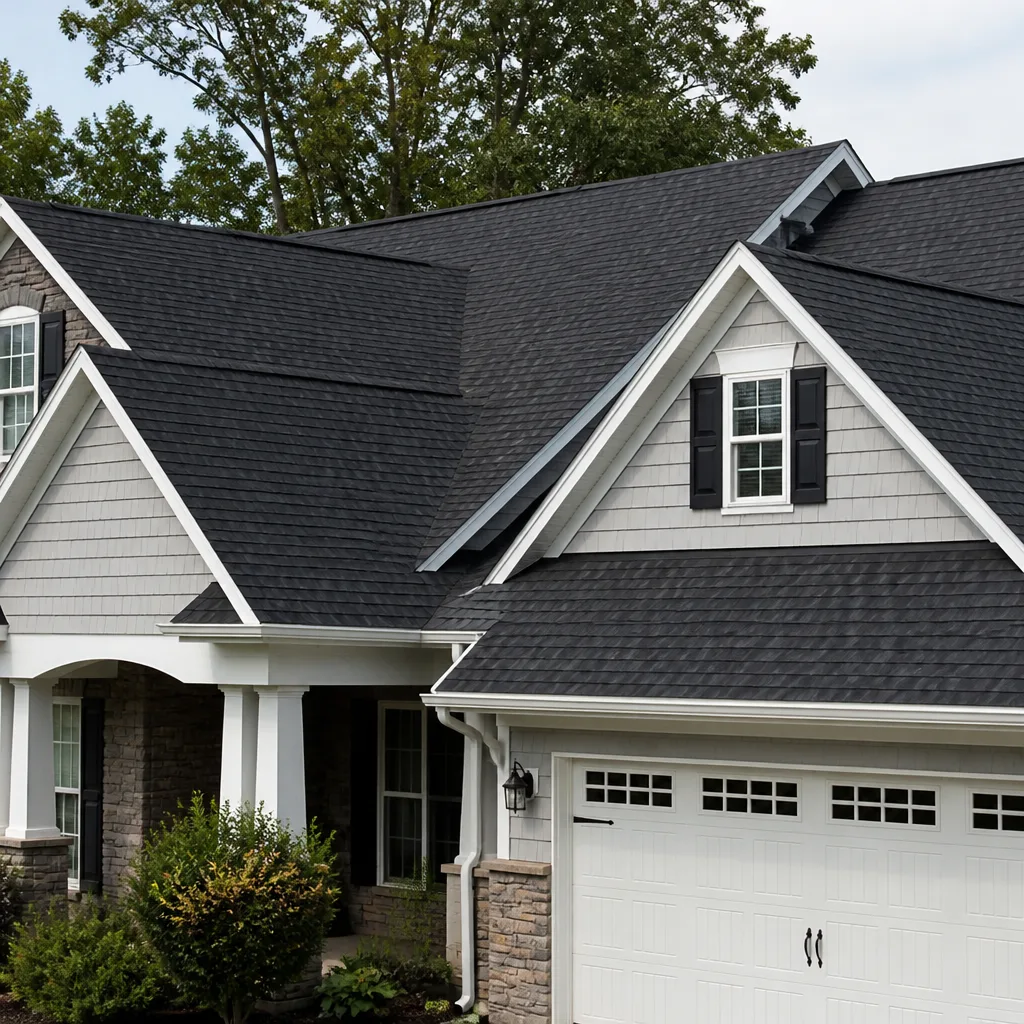 Roofing
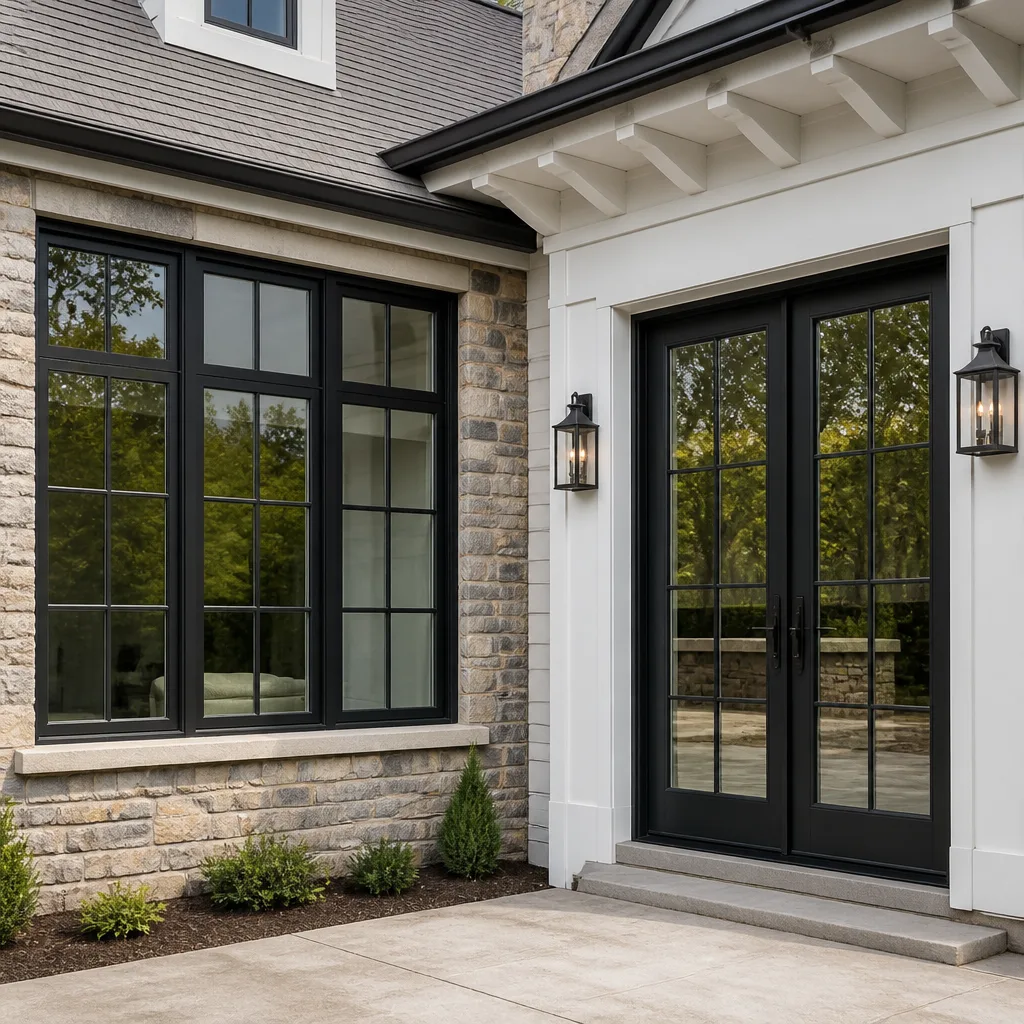 Windows & doors
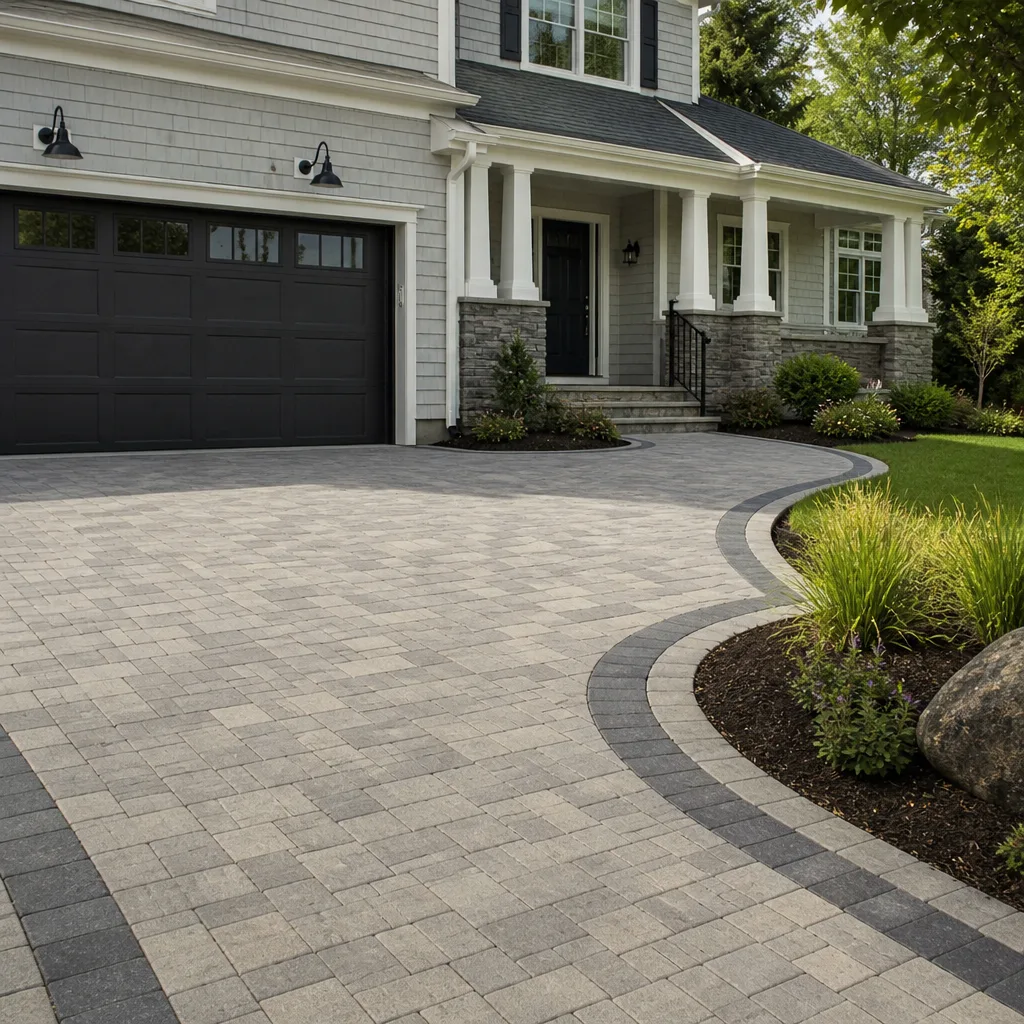 Driveway & pavers
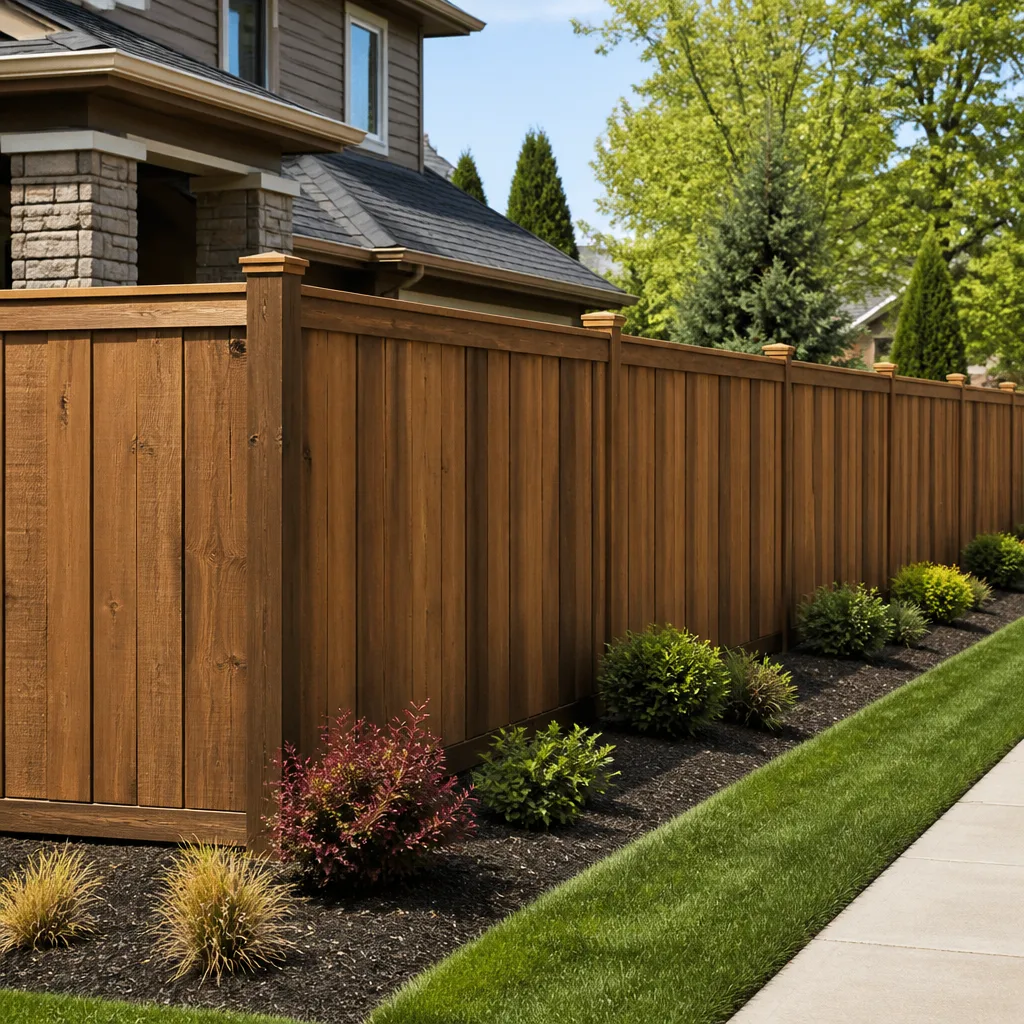 Fence
Free written scope consultation - allowances, timeline, and change-order rules on paper before a single trade is scheduled
Choosing the Right Construction Brand: A Buyer’s Guide for Yorba Linda
Most homeowners pick construction brands the way they pick a restaurant – whatever the contractor puts in front of them. That’s backwards. In Yorba Linda, where summer sun is relentless, where much of the city sits in or near a wildland fire zone, and where California energy rules apply to every window and door you install, the brand you choose decides far more than the color of your roof. We’ve watched homeowners get talked into a single take-it-or-leave-it product line when better options were sitting on the same distributor’s shelf. This guide gives you the criteria to evaluate brands yourself, across roofing, windows, hardscape, and cabinetry, so the choice holds up a decade from now.
Quick Answer
The right construction brand in Yorba Linda is the one whose written specs match your project’s real conditions: UV exposure, fire-zone classification, California energy compliance, and a warranty that doesn’t quietly exclude Southern California. That means comparing brands across five performance criteria before you look at price or color. A contractor with access to many manufacturer lines can match the product to your job; a single-line contractor can only sell you what they carry.
Styles & brands we work with
- Kitchen remodeling
- Bathroom remodeling
- Home additions & ADU
- Roofing
- Windows & doors
- Driveway & pavers
- Fence
Table of Contents
- The Five Performance Criteria That Matter in Yorba Linda
- Fire Classification: Why “Class A” Isn’t the Whole Story
- How to Read a Manufacturer Warranty Like a Contractor
- Brand Tiers by Trade: Builder-Grade, Mid-Range, and Premium
- Why Brand Access Changes the Whole Conversation
- Prefab vs. Site-Built: Brand Choice in ADU Construction
- The Case for One Contractor Across Every Trade
- Common Mistakes to Avoid
- When to Call a Professional
- Frequently Asked Questions
- The Bottom Line
The Five Performance Criteria That Matter in Yorba Linda
In our experience across Yorba Linda jobs, brand decisions live or die on five criteria. Marketing language rarely addresses them directly, so you have to ask for the technical data sheet.
1. UV stability. Yorba Linda gets long stretches of intense sun, and UV is the slow destroyer of roofing granules, window seals, paver color, and cabinet finishes. Ask for the manufacturer’s UV resistance data and whether the finish carries a fade warranty. A product that fades in five years isn’t a bargain at any price.
2. Fire classification specificity. We cover this in depth below, but the headline is that a Class A rating doesn’t tell you whether a material resists ember ignition or only direct flame. In Yorba Linda’s wildland-urban interface areas, that distinction matters enormously.
3. Thermal performance. Window and door brands publish U-factor and solar heat gain coefficient (SHGC) numbers. Lower U-factor means better insulation; lower SHGC means less solar heat comes through the glass. In a Yorba Linda summer, a window with the wrong SHGC will make a room uncomfortable no matter how good the air conditioning is.
4. Warranty geography. Every manufacturer warranty has exclusions tied to climate and installation method. Read the fine print for language about high-UV regions and temperature thresholds.
5. California compliance documentation. Windows, doors, and roofing products must meet state energy code, and the manufacturer should provide the documentation your permit requires. A brand that can’t hand you the paperwork is a brand that will slow your job down.
When you weigh brands on these five, you stop shopping by color swatch and start shopping by performance. That’s how professionals spec a job.
Fire Classification: Why “Class A” Isn’t the Whole Story
Here’s the counterintuitive part most homeowners never hear: a roofing shingle rated Class A for fire resistance in a standard test can still perform very differently in Yorba Linda’s specific fire-zone conditions. The Class A rating doesn’t distinguish between materials that resist ember ignition and those that resist only direct flame – and that difference matters enormously in wildland-urban interface environments.
Class A is the highest fire rating under standard testing, and most modern roofing products earn it. But a “basic” Class A rated assembly is not the same as a Class A system built with a fire-rated underlayment, proper edge detailing, and gap-free installation. When embers rain down – the leading cause of home ignition in a wildfire – the weak points are the gaps: eave vents, roof-to-wall intersections, and the edges. A brand with a Class A rating on paper can still be built to perform if the installation detail is right, and a “better” brand installed poorly can fail.
For Yorba Linda homeowners, this drives a practical conclusion: the roofing brand matters less than the system it’s installed as. Choose a Class A rated product from a manufacturer whose system includes fire-rated underlayment options, then insist the installation follows the manufacturer’s fire-rated assembly instructions to the letter. The same logic applies to siding. A fiber cement product like James Hardie carries non-combustible properties that wood or vinyl can’t match, which is one reason we steer Yorba Linda exterior projects toward that category where fire zone conditions apply.
Ask your contractor a pointed question: “Is this the fire-rated assembly, installed to the manufacturer’s spec?” The answer tells you more than the class letter.
How to Read a Manufacturer Warranty Like a Contractor
Warranties are the brands’ version of fine print from a contract attorney – they sound generous until you find the exclusions. In Southern California climates, three categories of exclusion come up again and again, and knowing them before you sign protects your investment.
- UV degradation clauses. Many warranties have language limiting or excluding coverage for fade and color change in high-UV climates. Some brands explicitly list climate zones where full coverage doesn’t apply. Read the exact wording for your region.
- Temperature thresholds. Some product warranty exclusions are tied to installation temperature or sustained heat. Ask what the acceptable range is for the product you’re buying and confirm your install season falls inside it.
- Installation method requirements. A warranty can be void if the product wasn’t installed exactly as specified – fasteners, underlayment, spacing, all of it. This is where a multi-trade contractor’s brand familiarity pays off, because the install method is the manufacturer’s, not a guess.
Two more things to check: the transferability of the warranty (can it pass to a future buyer? that has real resale value) and whether the brand offers a labor warranty separate from the material warranty. The best brands in Yorba Linda’s market pair their material coverage with an installer warranty requirement – which is your best signal that the manufacturer stands behind the install, not just the box.
During a free estimate, ask us to walk you through the warranty terms for each brand option. We’re happy to put the key pages in front of you before you decide.
Brand Tiers by Trade: Builder-Grade, Mid-Range, and Premium
Builder-grade, mid-range, and premium are not marketing labels – they’re real differences in measurable performance. Here’s what actually separates the tiers across the trades that matter most in Yorba Linda.
Roofing. Builder-grade shingles typically offer the shortest warranty and a thinner granule layer. Mid-range brings longer warranties and better UV-resistant granule technology. Premium means the manufacturer’s best shingle line, usually with a longer, transferable warranty and stronger wind and fire performance. GAF, CertainTeed, and Owens Corning each span the full range, and standard shingle and tile options from those lines let you spec to any budget tier without dropping into commodity products. Comparing the warranty tiers among them is the honest way to judge your money.
Windows. Builder-grade windows use basic insulated glass with minimal energy coatings. Mid-range adds low-E coatings and argon fill. Premium means multi-point locking, stronger frames, and top-of-line energy performance. PGT and ECO Window Systems offer real options across those tiers, and reading the U-factor and SHGC numbers, not the marketing names, is how you find the true value.
Pavers. Commodity concrete pavers fade and crack. Mid-range pavers from brands like Belgard and Techo-Bloc bring stronger color-through technology and better dimensional stability. Premium lines add resistance to staining and higher compressive strength. For a Yorba Linda driveway or patio, the color-through pavers also mean fading from sun won’t leave your driveway looking ten years older than it is.
Cabinetry. Builder-grade is a painted or laminated box with basic hardware. Mid-range lines like KraftMaid and Wellborn add plywood box construction, soft-close hardware, and better door options. Premium lines add solid wood construction, more customization, and longer warranties. If you want a kitchen that still feels right in a decade, the box construction and hardware quality are what you check.
The unifying idea: in every trade, the middle and upper tiers offer materially better products, and the right choice depends on your priorities and project lifetime. You shouldn’t pay for premium every time – but you should never pay mid-range money for builder-grade product.
Why Brand Access Changes the Whole Conversation
Most homeowners never see the full product catalog. A single-line contractor shows you the brand they distribute; a showroom promotes the line that pays its bills. Homeowners who want real choice need a contractor whose loyalty isn’t locked to one manufacturer.
Here’s what access actually does for your project. When a contractor can pull from 50+ manufacturer lines across seven trade categories, the conversation flips from “Which color of this one product do you want?” to “Which product fits your conditions, your budget, and your priorities?” A homeowner with a fire zone concern gets a roofing product rated for it. A homeowner planning a whole-home exterior upgrade gets the right combination of roofing and siding. A homeowner with a kitchen remodel gets cabinet options from KraftMaid and Wellborn compared side by side, not a single demo door.
The myth is that this kind of access costs more. In our experience, it often costs the same or less, because a multi-line contractor isn’t marking up a single brand’s margin – they’re matching the job to the right product. You choose the brand. We handle the installation.
This is why a one-stop scope matters. From the driveway to the roofline, one contractor with real brand depth can spec every exterior and interior choice consistently. Our work has always been built on that principle.
Prefab vs. Site-Built: Brand Choice in ADU Construction
ADU brand choice comes at the biggest scale in a residential project – you’re picking the system that becomes an entire structure. That makes it the most consequential brand decision a homeowner can make.
Site-built ADUs are framed, wired, and finished on your property. They give you complete design flexibility, match the style of your main house, and let you use the same premium brands in kitchens and bathrooms as a main-home remodel. They take more construction days on site.
Prefab ADUs arrive as a modular unit from a manufacturer who builds to a fixed spec. Partnerships with Abodu, Dvele, Mighty Buildings, Boxabl, and Plant Prefab mean a Yorba Linda homeowner can compare prefab pathways and site-built options, and choose based on speed, cost, and design preference. Prefab can cut on-site build time and give you a known cost upfront. Site-built gives you more customization – premium cabinetry, custom tile, matched exterior materials.
Whichever path you take, the evaluation criteria from earlier still apply: check UV-stable finishes, energy code documentation, warranty geography, and installation method. In the case of a prefab, the manufacturer’s warranty covers the unit and the installer covers the site work, so you need to understand who stands behind what.
For a Yorba Linda homeowner with a backyard lot and a clear budget, learning what the ADU can do and where the costs land is easiest as a short conversation. We help match site-built or prefab to the lot, the budget, and the plan.
The Case for One Contractor Across Every Trade
Juggling vendors is the most underestimated cost of a big project. A remodel that involves new windows, a new roof, fresh exterior paint, a replaced fence, and a kitchen update can mean five separate companies, five schedules, and five warranty contacts – and when something goes wrong at an intersection between them, no one takes responsibility. The window installer blames the framer. The roofer blames the gutter crew. You’re the one holding it all.
A single contractor spanning the seven trade categories – driveway and pavers, fencing, additions and ADUs, bathroom remodeling, windows and doors, roofing, and kitchen remodeling – eliminates that coordination risk. There’s one point of contact from permit to punch-list, and one accountable party for the way a project comes together. A window’s warranty depends on the flashing beneath it, and flashing depends on the roof and the siding. Those are exactly the intersections that get dropped when multiple vendors are in play.
One more advantage: consistent product standards. A contractor choosing the roofing brand, siding brand, window brand, and paver brand in one spec package can select a quality standard that holds across the whole exterior. A 50-year roof over a builder-grade siding job doesn’t make sense – the exterior should be spec’d as one system, not six.
Every estimate we quote is a written, line-item scope. That format shows you how each brand and material choice affects the total, and it makes comparing options easy. Call (888) 356-5940 to start the conversation.
Common Mistakes to Avoid
- Choosing a brand by color swatch alone. Color is the end of the conversation, not the start. Check durability, warranty, and performance data before falling in love with a palette.
- Skipping the fire-zone question. In Yorba Linda’s WUI areas, a roof or siding choice made without a fire classification conversation is a choice made blind. Ask about the fire-rated assembly, not just the class letter.
- Reading the warranty headline and stopping. Every warranty has UV, temperature, and installation-method exclusions. Ask your contractor to show you the exclusions for your region before you commit.
- Confusing builder-grade with “good enough.” Builder-grade products are chosen for cost, not lifetime value. A mid-range product that lasts twice as long can be the smarter buy over a decade.
- Letting one specialty contractor pick your whole exterior. If your roofer chooses the siding and the window installer chooses the fence, no one owns the result. Get a whole-home spec from one accountable contractor.
- Ignoring the permit documentation question. California energy compliance paperwork lives with your windows and doors. If a brand can’t supply it, your project stalls at inspection.
- Assuming a multi-line contractor costs more. In our experience, matching a brand to the job often beats a single-line contractor’s pricing. The value is in the selection, not the markup.
When to Call a Professional
Some brand decisions are simple enough to handle on your own – repainting a fence, for instance. But several scenarios call for a professional who can read specs and match products to conditions. Call when you’re planning a roofing or siding replacement that needs a fire-rated assembly, when you’re replacing windows or doors and need to confirm California energy compliance documentation, when you’re building an ADU and need to compare site-built and prefab options, or when you’re planning multiple exterior and interior projects at once and want a single accountable spec package. Call when a contractor has quoted you a single brand and you want a second set of product options to weigh. And call when you want a written, line-item estimate so you can see exactly how each brand choice moves the cost. Construction Yorba Linda offers free estimates in Yorba Linda – call (888) 356-5940. We answer 24/7. Fast dispatch from 7am to 7pm, Sunday through Friday.
Frequently Asked Questions
There’s no single best brand – there’s the best brand for your project conditions. For roofing in fire zone areas, look for a Class A rated system with a fire-rated assembly and UV-stable granules. For windows, look at U-factor and solar heat gain coefficient. For pavers, look at color-through construction and fade warranties. Compare GAF, CertainTeed, and Owens Corning for roofing, PGT and ECO Window Systems for windows, Belgard and Techo-Bloc for pavers, and KraftMaid and Wellborn for cabinets. Call (888) 356-5940 and we’ll walk you through the options.
Class A is the best standard rating, but it doesn’t tell you whether a material resists ember ignition or only direct flame. In wildland-urban interface conditions, ember intrusion through vents, eaves, and gaps causes most home ignitions. Ask your contractor whether the product is installed as the manufacturer’s fire-rated assembly, with fire-rated underlayment and careful detailing. Installation quality matters as much as the brand and class letter. Call us and we’ll explain what a fire-rated assembly looks like for your roof.
Ask for three documents: the performance data sheet, the warranty terms, and the California energy compliance documentation. Compare U-factor and solar heat gain coefficient for windows; UV resistance and fade warranty for roofing and pavers; and plywood box construction and hardware quality for cabinetry. If a contractor can’t produce these documents for a brand, that brand isn’t ready for a serious project. We’ll bring them to your free estimate – call (888) 356-5940.
Yes, sometimes significantly, and the difference between tiers is measurable performance, not just status. Builder-grade, mid-range, and premium products differ in warranty length, UV resistance, fire performance, and installation requirements. A premium product can justify its cost with a longer, transferable warranty, while a mid-range product can be the smarter choice for a shorter-term plan. Only the written estimate sets your final price – call (888) 356-5940 for a free one.
Yes. Windows, doors, and roofing products in California require energy compliance documentation, and the manufacturer supplies it. We pull the permits and handle inspections as part of the job. Ask us during the estimate which brand documentation your project will need and what we provide. Call (888) 356-5940 – free estimates, written line-item quotes.
Yes. We work both ways, with site-built construction or with prefab partnerships including Abodu, Dvele, Mighty Buildings, Boxabl, and Plant Prefab. The right path depends on your lot, budget, timeline, and how much customization you want in the finished unit. We compare both options side by side during the free estimate so you can decide based on real numbers. Call (888) 356-5940 and we’ll walk you through it.
The Bottom Line
Brand selection in Yorba Linda comes down to five criteria – UV stability, fire classification specificity, thermal performance, warranty geography, and California compliance documentation – applied consistently across every trade. The brand name alone tells you little. What matters is whether the product’s written specs match your conditions and whether the installer follows the manufacturer’s method exactly. A contractor with access to 50+ manufacturer lines lets you match the product to the job rather than defaulting to what’s in stock. Our technicians have up to 9 years of experience, and every estimate is written, line-item, and free. Call (888) 356-5940 to spec your project with real brand options.
We answer 24/7. Fast dispatch from 7am to 7pm, Sunday through Friday. Call (888) 356-5940 for a free estimate on construction Yorba Linda projects, whether you’re planning driveway & pavers work, fence installation, or an home additions & ADU project.
Written by the team at Construction Yorba Linda.
See the difference
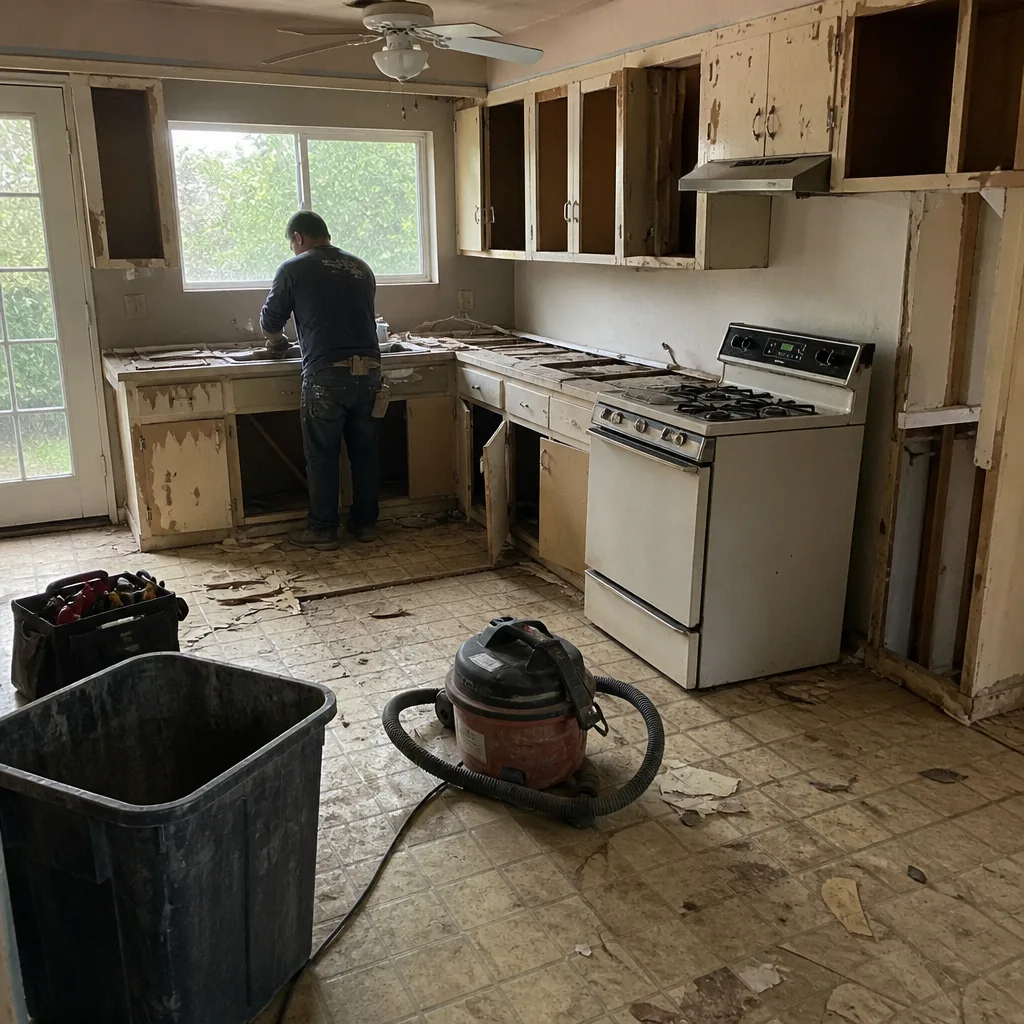 Before
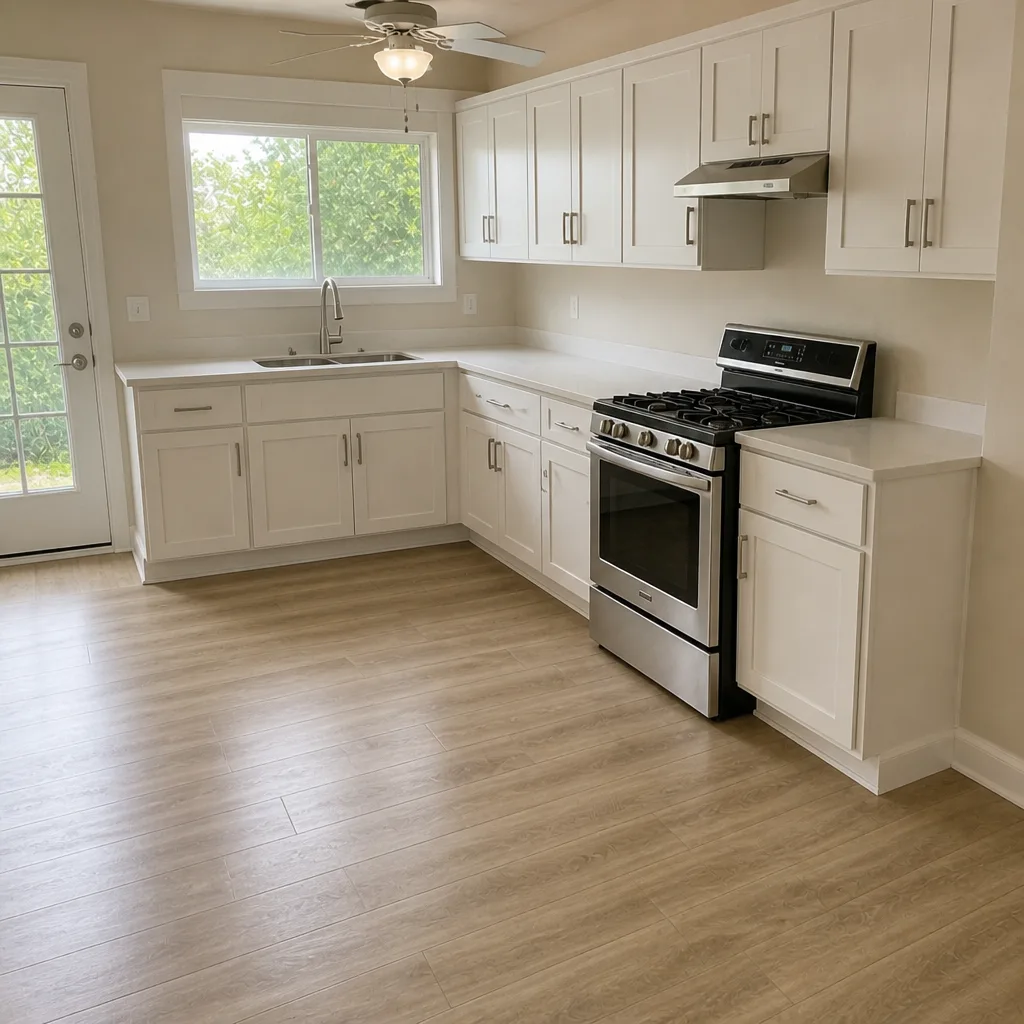 After
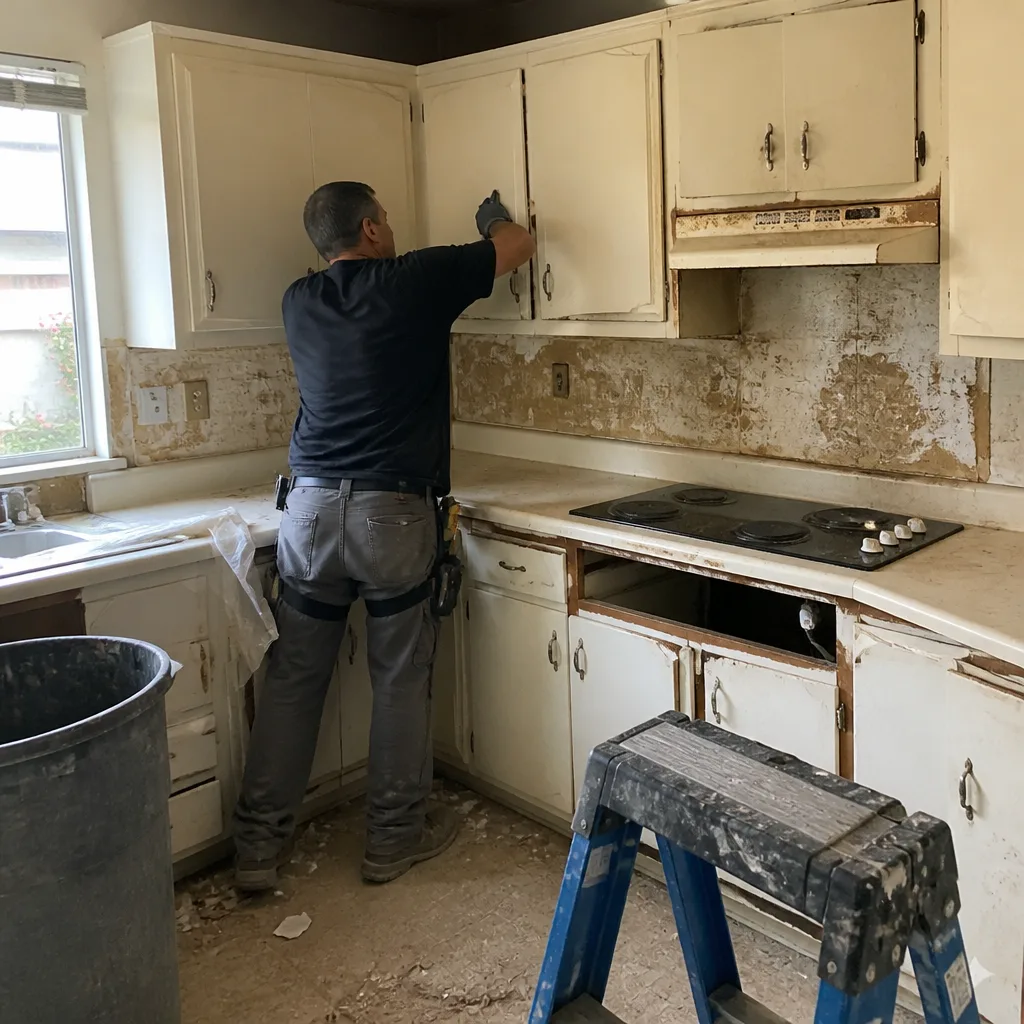 Before
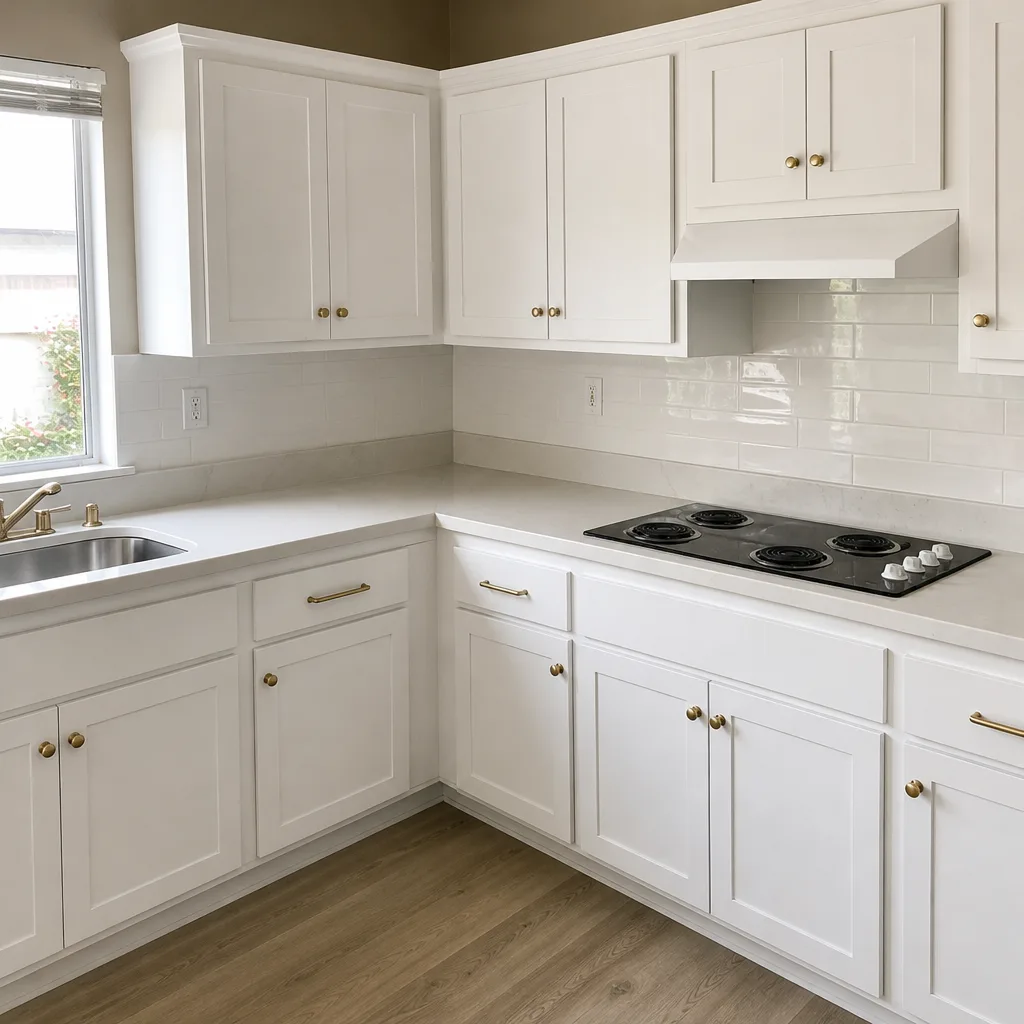 After
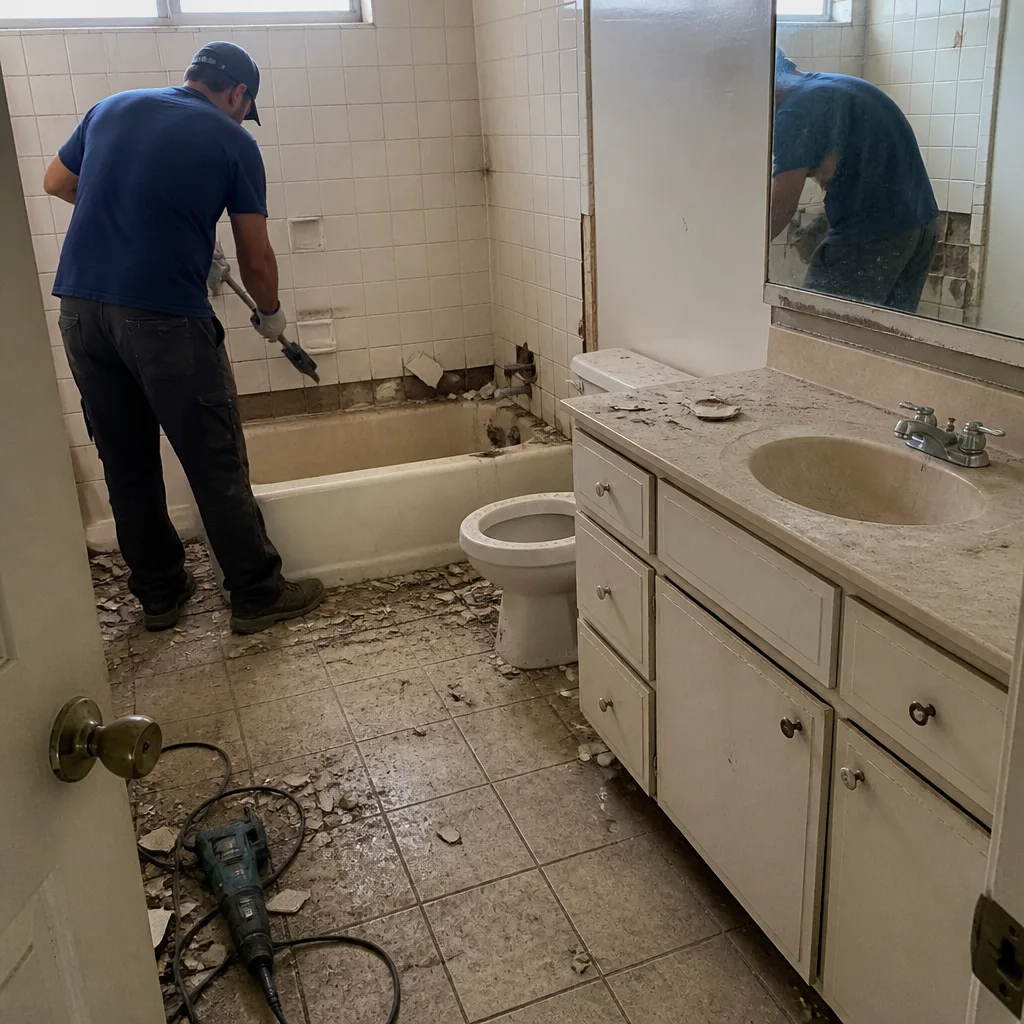 Before
 After