
Last updated November 17, 2026
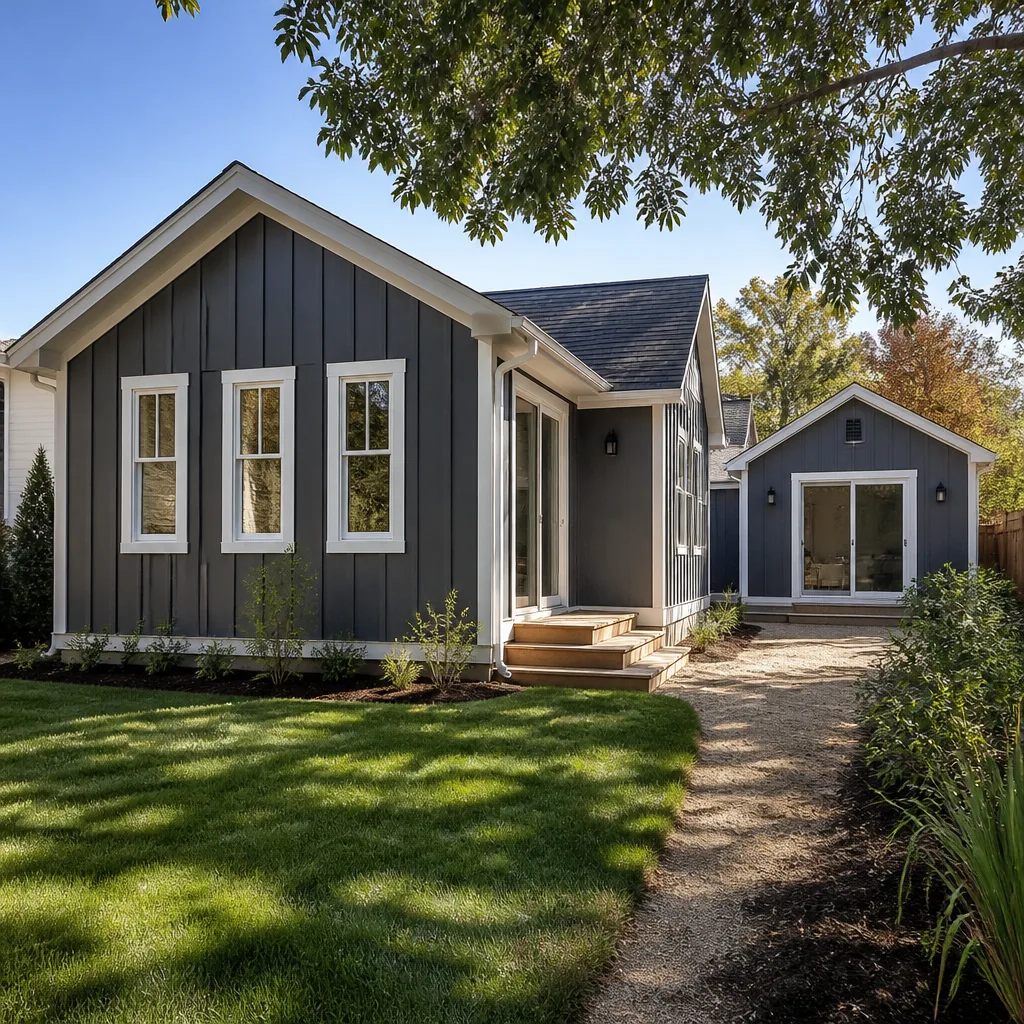 Home additions & ADU
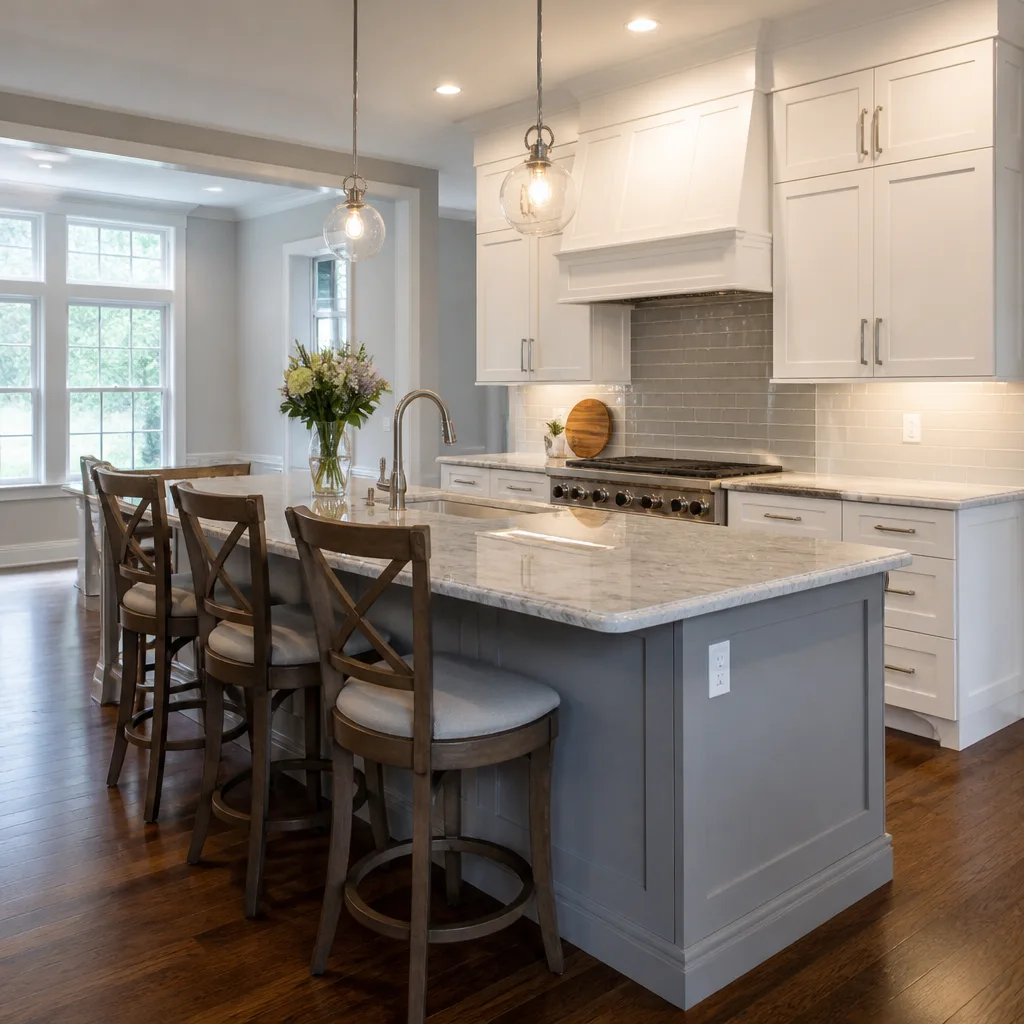 Kitchen remodeling
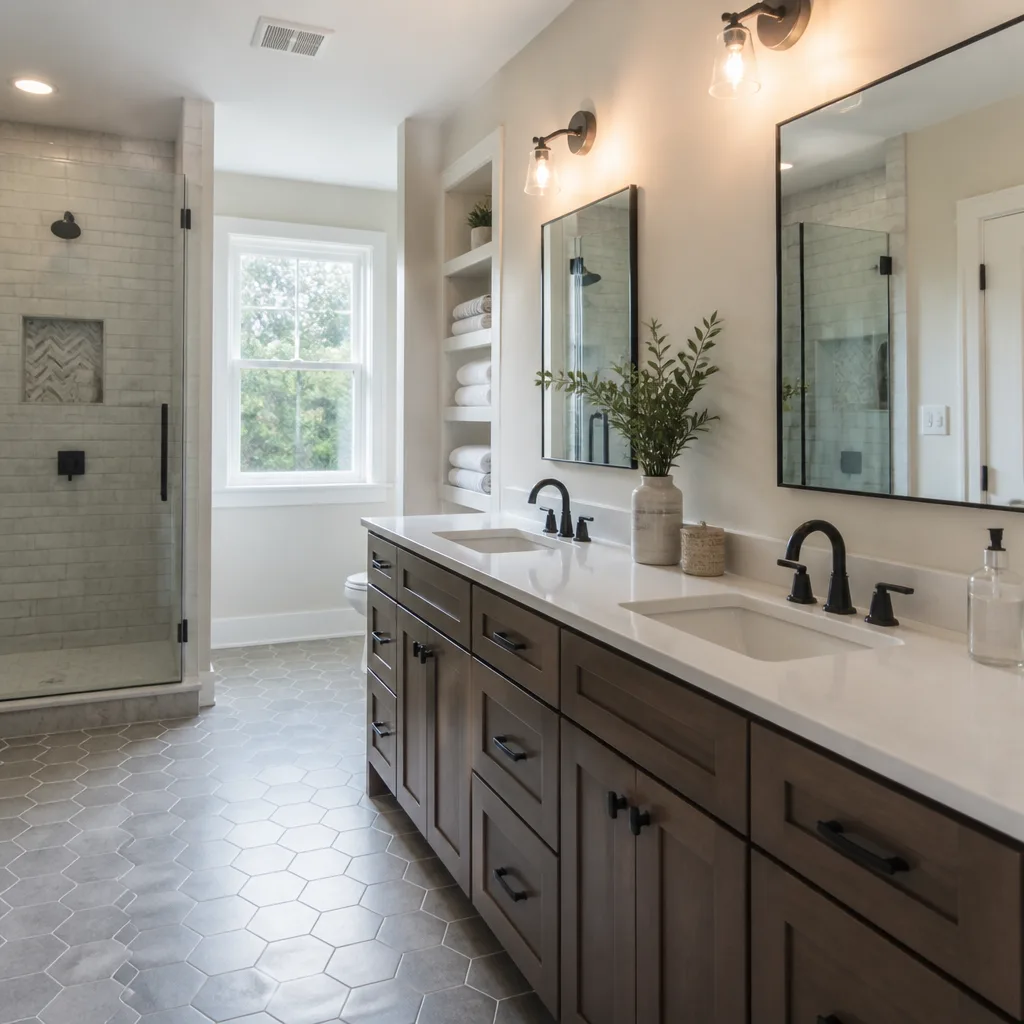 Bathroom remodeling
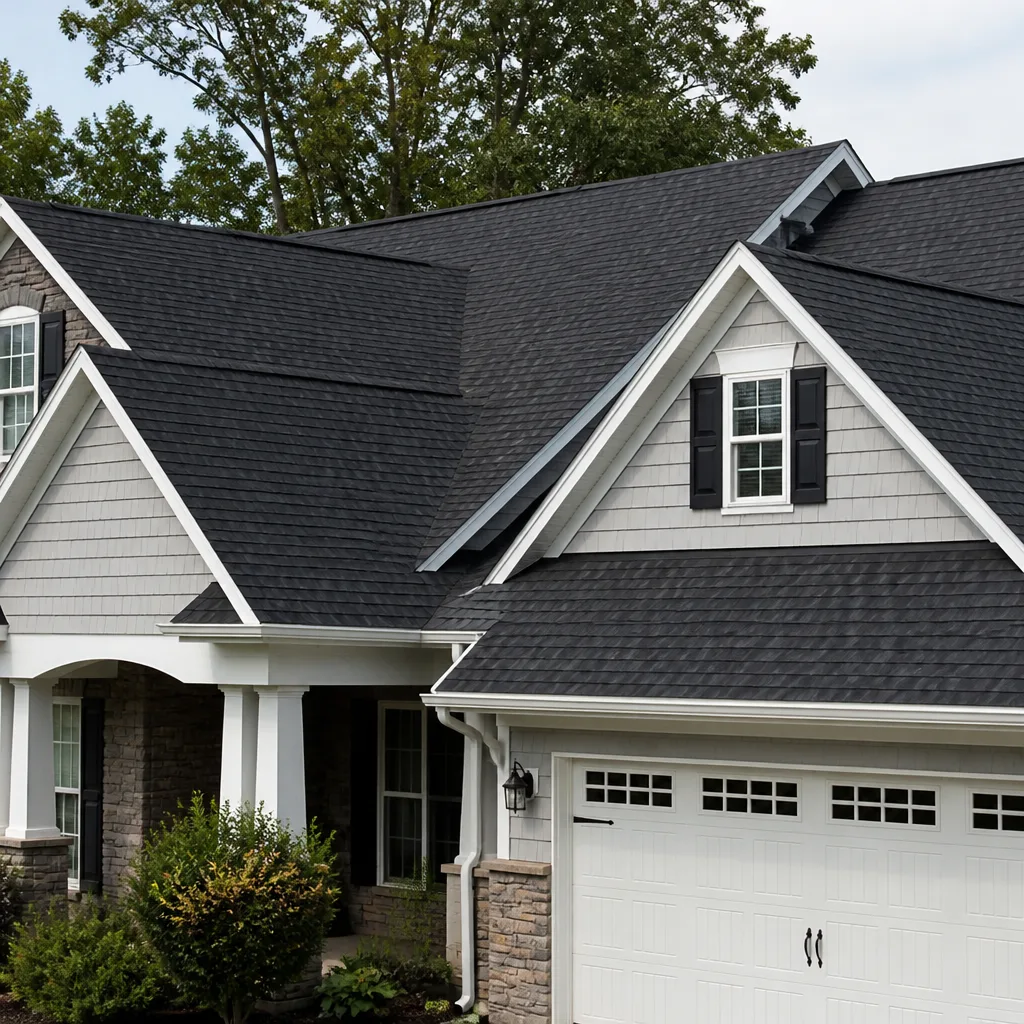 Roofing
 Windows & doors
 Driveway & pavers
 Fence
Free written scope consultation - allowances, timeline, and change-order rules on paper before a single trade is scheduled
DIY vs Professional Construction: The Yorba Linda Homeowner’s Decision Guide
Most homeowners in Yorba Linda decide between DIY and professional construction by asking the wrong question. They ask, “Am I handy enough?” The real question is, “What am I legally responsible for once the work is finished?” California lets homeowners pull their own owner-builder permits, which feels like a green light. Then a sale comes up and the disclosure obligations surface. This guide walks through where DIY genuinely makes sense in Yorba Linda, where it creates compounding legal and financial exposure, and how to sort any project into the right column before you lift a hammer or sign a contract.
Quick Answer
In Yorba Linda, DIY is reasonable for cosmetic interior work, landscaping, and minor repairs that don’t require a permit. It’s a poor fit for anything structural, electrical, plumbing, or roofing, and it’s often impossible for exterior work because HOA architectural approval sits on top of the permit layer regardless of your skill. The deciding factor isn’t your ability level. It’s your legal exposure, your resale disclosure obligations, and how many approval gates the project has to pass.
Styles & brands we work with
- Kitchen remodeling
- Bathroom remodeling
- Home additions & ADU
- Roofing
- Windows & doors
- Driveway & pavers
- Fence
Table of Contents
- Why the DIY Decision in California Is About Liability, Not Skill
- The Owner-Builder Permit and What It Means at Resale
- How Yorba Linda’s HOA Landscape Changes the Math
- Projects Where DIY Is Genuinely Reasonable Here
- Projects Where DIY Creates Compounding Risk
- The Real Cost of a DIY Mistake in This Market
- A Five-Question Framework for Your Specific Project
- What a Permit Actually Buys You
Why the DIY Decision in California Is About Liability, Not Skill
In most states, the DIY conversation is about competence. Can you tile a shower? Can you frame a wall? California adds a second layer that has nothing to do with whether you can, and everything to do with what happens after you do. When you pull an owner-builder permit, you are legally the builder of record on that work. That status follows the project for years, and it surfaces at the most inconvenient moment: when you sell.
California law allows a homeowner to act as their own contractor on a property they intend to live in, but the arrangement comes with a disclosure obligation. If you pull your own permit and sell within a defined window, you must disclose that you performed the work yourself. Once that disclosure is made, the buyer has the legal right to assume any construction defect in that work is yours. Not the previous contractor’s. Not a subcontractor’s. Yours.
That’s the piece most DIY planning skips. A homeowner in Yorba Linda can do a genuinely excellent job on a bathroom or a room addition and still find that the owner-builder stamp on the permit creates a conversation at closing that a professionally permitted job never triggers. The work doesn’t have to be bad. The status itself creates the exposure.
What “Owner-Builder” Actually Means
The owner-builder route exists for homeowners who intend to do the work themselves or act as their own general contractor, hiring and managing subcontractors directly. It is not a shortcut around permits, inspections, or code. It shifts the responsibility for coordinating trades, passing inspections, and warranting the finished work onto you.
When you hire a licensed contractor instead, that contractor carries the permit in their name, manages the inspection sequence, and stands behind the work. The liability chain points back to a licensed entity rather than to you personally. That’s the structural difference, and it’s why the DIY question in Yorba Linda is really a question about who owns the risk when the job is done.
This doesn’t mean DIY is off the table. It means the answer depends on the project category, and the categories are not close to equal.
The Owner-Builder Permit and What It Means at Resale
Here’s the scenario worth understanding before you file for an owner-builder permit in Yorba Linda. You complete the work, it passes inspection, and life moves on. Some years later you decide to sell. At that point, the disclosure requirement kicks in: you must tell the buyer that the work was self-performed, and the buyer can then assume that any defect in that work was your responsibility.
Picture that conversation at the closing table. The buyer’s inspector flags something minor. Under a professionally permitted job, that finding goes back to a licensed contractor and a warranty. Under an owner-builder permit, it lands on you, and the buyer has a legal presumption on their side. Most DIYers don’t learn this until they’re sitting across from a real estate agent holding a disclosure form.
What the Disclosure Actually Covers
The disclosure obligation attaches to work you performed under your own permit. It’s not a blanket statement about every improvement to the house. It’s specific to the owner-builder work, and the timing window matters. The practical takeaway: if you plan to sell within the relevant window, owner-builder permits change your resale position in a way that contractor permits don’t.
So ask yourself the resale question before you file the paperwork, not after. Homeowners in Yorba Linda who are settled for the long term have more flexibility here than homeowners who bought as a stepping stone and expect to move in a few years.
How Professional Permitting Changes the Picture
When a licensed contractor pulls the permit, the work is recorded as professionally performed. Inspections are the contractor’s responsibility to schedule and pass. The finished job carries a paper trail that supports the home’s value at resale rather than complicating it. That trail is one of the things you’re actually paying for when you hire out a permitted project, and it’s worth keeping in mind when you compare a contractor’s estimate against a stack of material receipts.
If you’re weighing a larger structural project, our overview of home additions & ADU work explains how the permit and inspection sequence runs on a professionally managed job.
How Yorba Linda’s HOA Landscape Changes the Math
Yorba Linda has a substantial base of planned communities with active homeowner associations, and that single fact eliminates DIY as an option for most exterior work regardless of how skilled you are. HOA architectural review isn’t about whether you can do the job. It’s a separate approval gate that runs alongside or ahead of the city permit process, and it has its own rules, its own submission requirements, and its own approval timeline.
Roof replacement, fencing, exterior paint, window replacement, hardscape, and any visible addition all typically require HOA architectural committee approval before work starts. Many associations specify approved materials, colors, and even brands. A fence has to match the community standard. A roof has to meet a color and material specification. A paver driveway may have a required pattern.
What the HOA Gate Means for DIY
You can personally navigate the HOA process, and some homeowners do. But the submission typically requires drawings, material specifications, and product details. If you’re already managing the permit, the inspections, the subcontractors, and the physical work, adding architectural committee submissions on top is where DIY projects in Yorba Linda most often stall or get bounced back for revision.
A contractor with experience in these communities knows the submission format, knows which material specifications tend to clear review, and can supply the product data sheets on request because they’re working with named manufacturers. That’s a practical advantage, not a marketing point.
The Exterior Projects Where This Bites Hardest
- Roofing. Color and material are almost always specified by the association, and the permit plus the architectural approval have to align.
- Fencing. Height, style, material, and finish are commonly regulated. Our fence installation work starts with the association spec, not the catalog.
- Driveway and hardscape. Paver pattern, color, and coverage area are frequently reviewed. See driveway & pavers for how that approval is handled.
- Windows and doors. Visible exterior changes require review, and product specifications need to match the approved schedule.
Interior projects usually avoid HOA review entirely, which is one reason cosmetic interior work stays on the DIY-friendly side of the line.
Projects Where DIY Is Genuinely Reasonable Here
Yorba Linda’s climate is forgiving for the right kinds of projects. Winters are mild, which means exterior projects aren’t fighting a short building season. That mildness helps DIY work on landscaping, painting, and light repairs get completed without weather forcing rework. It does nothing to help with structural or electrical risk.
Some projects genuinely belong in the DIY column. These are the ones where the work is cosmetic, doesn’t require a permit, doesn’t alter the building envelope, and doesn’t trigger HOA architectural review.
The DIY-Friendly List
- Interior painting. No permit, no HOA involvement, low risk. Prep work drives the outcome more than skill.
- Landscaping and planting. Non-structural yard work, planter beds, and irrigation repairs. Check water-use rules with your association if you’re in a planned community.
- Minor repairs. Faucet cartridge replacement, toilet flapper, outlet covers, cabinet hardware, caulking, and patching drywall. Small jobs with small failure modes.
- Cosmetic upgrades. Swapping light fixtures (on an existing circuit), painting cabinets, replacing a vanity top on existing plumbing rough-in, and similar swap-in work.
- Furniture assembly and shelving. Low risk, reversible, and easily corrected if you get it wrong.
The common thread: if it fails, the failure is inconvenient and cheap. Not dangerous, and not a code violation sitting inside your wall.
Where the Line Sits
The line isn’t “easy versus hard.” It’s “reversible and safe to get wrong versus irreversible and dangerous to get wrong.” A painted cabinet is reversible. A relocated electrical circuit is not. A new planter bed is reversible. A cut roof truss is not. If the failure mode involves fire, water intrusion, or structural collapse, the project belongs in the professional column even if you think you can manage it.
One more consideration specific to this area: wildfire exposure. Yorba Linda sits in a region with real fire risk, and roofing and exterior assemblies play a role in how a home performs under ember exposure. Roofing work is not a DIY category here, and it shouldn’t be treated like one. The margin for error on roof detailing is small and the consequences are large.
Projects Where DIY Creates Compounding Risk
Some project categories aren’t just harder than they look. They fail in ways that compound. One mistake forces a re-permit, a failed inspection, and in some cases a contractor upcharge to correct non-standard prior work before the job can move forward. In our experience the compounding cost is what surprises homeowners most, not the original material bill.
The High-Risk Categories
- Electrical. Panel work, new circuits, and anything beyond a fixture swap. The failure mode is fire, and the permit and inspection requirements are strict. This is a trained-professional-only category.
- Plumbing alterations. Moving supply or drain lines, roughing in a new bathroom, or relocating a kitchen sink. Water damage discovered late is expensive to unwind.
- Structural work. Removing or modifying load-bearing walls, cutting trusses, adding a room, or building an ADU. Engineered plans and inspection sequences are non-negotiable.
- Roofing. Flashing detail, underlayment sequencing, and fire-rated assemblies. On a fire-risk parcel, this category carries additional weight.
- Gas lines. Any gas work is a professional category. There’s no safe DIY version of it.
Electrical, gas, and structural work call for a trained professional, and that’s not a disclaimer. It’s the single most important line in this guide. The work can look straightforward in a video and still carry serious injury or fire risk if a single detail is off.
Why the Risk Compounds
A DIY mistake in a high-risk category rarely stays contained. Unpermitted electrical work discovered at inspection can halt a sale. A plumbing alteration that leaks behind a wall can compromise framing and drywall. A structural change without engineering can invalidate a permit or force a rebuild. Each of these creates a second and third cost on top of the first one.
When a contractor takes on a project that already contains non-standard prior work, the estimate has to include correcting it before the new work can start. That correction is where the upcharge lives, and it’s not a contractor being difficult. It’s what the code and the inspection require.
The Real Cost of a DIY Mistake in This Market
DIY budgets usually count materials and tools. They rarely count the second-order costs that appear when the work has to be corrected. Those costs fall into a few predictable buckets in the Yorba Linda market.
The Four Cost Buckets
- Re-permit fees. Permits issued for work that then fails inspection or is revised mid-project can require re-submittal. That’s a new fee on top of the first one.
- Inspection failures. A failed inspection means a re-inspection, a scheduling delay, and rework before the job can close out. If the failure is structural or electrical, the rework can be substantial.
- Contractor upcharges to correct prior work. When a licensed contractor takes over a partially completed or incorrectly completed project, the estimate has to include bringing the existing work up to standard. That’s a separate line from the new work.
- Resale impact. Unpermitted or owner-builder work creates a disclosure and negotiation issue at sale. That can affect the sale price or the terms, and it’s the bucket most DIYers never plan for.
Add those four together and the DIY math looks different. A project that saves on labor can lose that saving plus more when the correction costs land.
Where the Numbers Actually Compare
We don’t publish a single DIY-versus-hire figure because the range is too wide to be honest. Materials cost what they cost. Labor is the variable. The real comparison is between a written estimate from a licensed contractor and your realistic total after accounting for the four buckets above, including the possibility that the work has to be redone.
What we can say plainly: the projects where DIY genuinely saves money are the ones where nothing goes wrong and no permit is involved. The projects where a mistake is expensive are the ones where you should get an estimate before you decide, because a free written estimate gives you a real number to compare against.
A Five-Question Framework for Your Specific Project
Generic “DIY or hire” advice is useless because it ignores the specific home, the specific project, and the specific approvals involved. Here’s a framework that sorts any project in Yorba Linda into the right column. Answer each question honestly before you buy materials.
Question 1: Does this project require a permit?
If yes, the project moves at least one step toward the professional column. Permitted work carries inspection sequences, and the permit holder takes on the responsibility for passing them. Ask your city’s building department directly if you’re unsure. When in doubt, assume the permit is required and verify.
Question 2: Will it trigger HOA architectural review?
If the work is visible from outside, assume the association will want a submission. Exterior changes in planned communities in Yorba Linda frequently require committee approval, and the submission itself is a time commitment that compounds with the physical work.
Question 3: Is the failure mode dangerous?
Fire, gas, structural collapse, water intrusion behind a wall, and roof failure are dangerous failure modes. If the answer is yes, this is a professional project regardless of how confident you feel. That’s the safety line, and it doesn’t move based on experience.
Question 4: Do you plan to sell within the owner-builder disclosure window?
If you expect to sell in the next several years, an owner-builder permit creates a disclosure obligation and a legal presumption that defects are yours. A professionally permitted job doesn’t create that exposure. The timeline question belongs in the decision, not after it.
Question 5: Is the work reversible if it goes wrong?
If a mistake can be undone with a few hours and a modest material cost, DIY is reasonable. If correcting a mistake means demolition, re-permitting, or replacing finished assemblies, the risk outweighs the labor saving. Reversibility is the cleanest single test in the framework.
Score the project across all five. Two or more toward the professional side and it’s worth getting an estimate before you commit either way.
What a Permit Actually Buys You
Homeowners often treat permits as a tax on the project. A licensed contractor treats them as the mechanism that transfers risk. That’s the real function.
What the Permit Process Provides
- Plan review. An independent check that the proposed work meets code before construction starts.
- Inspections at defined stages. Rough framing, rough electrical, rough plumbing, and final inspection each verify the work at the point it can still be corrected cheaply.
- A public record of the work. A documented paper trail that supports the home’s value at resale and avoids disclosure complications.
- A licensed entity on the hook. The contractor who pulls the permit carries the responsibility for the work, not you.
When we manage a project, we pull the permits, schedule the inspections, and handle the corrections if an inspector wants something changed. That’s part of what the written estimate covers, and it’s one of the reasons we favor a written line-item estimate over a verbal number. You can see what’s included.
For projects that involve the whole exterior, see Construction Yorba Linda for how the scope is organized across trades under one contractor.
Common Mistakes to Avoid
- Pulling an owner-builder permit without thinking about resale. The disclosure obligation and the defect presumption follow the work. Consider your selling timeline before you file, not after.
- Assuming “it’s not visible, so no HOA approval.” Associations review more than sight lines. Some exterior assemblies and even rear-yard work are covered. Check the CC&Rs before you assume.
- Treating electrical or gas work as a weekend project. These are the categories where a single error causes fire or injury. Hire a licensed professional, and don’t accept “my brother does this on the side” as a substitute.
- Starting a permitted project without the full inspection sequence mapped out. Rough inspections happen at specific stages. Covering walls before rough inspection means demolition to expose the work.
- Buying materials before the approval gates clear. A paver or fence specification approved by the association is the one to buy. Buying first and submitting after often lands on a revision.
- Underestimating the correction cost on a partially built project. Contractors have to bring prior work up to standard before they can build on it. That correction is real money, and it’s avoidable.
- Comparing a contractor’s estimate against materials alone. The estimate includes labor, permits, inspections, coordination, and a warranty. Comparing it to a hardware store receipt is not a like-for-like comparison.
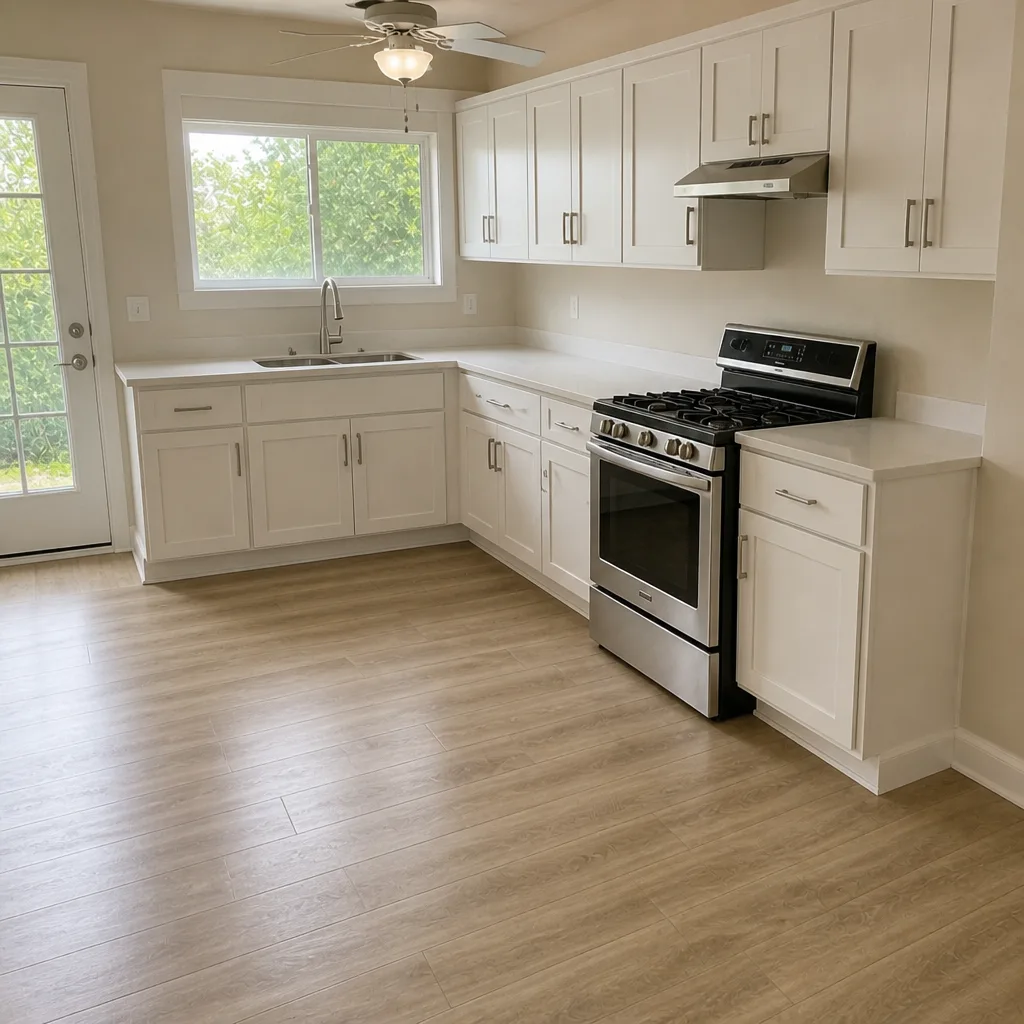
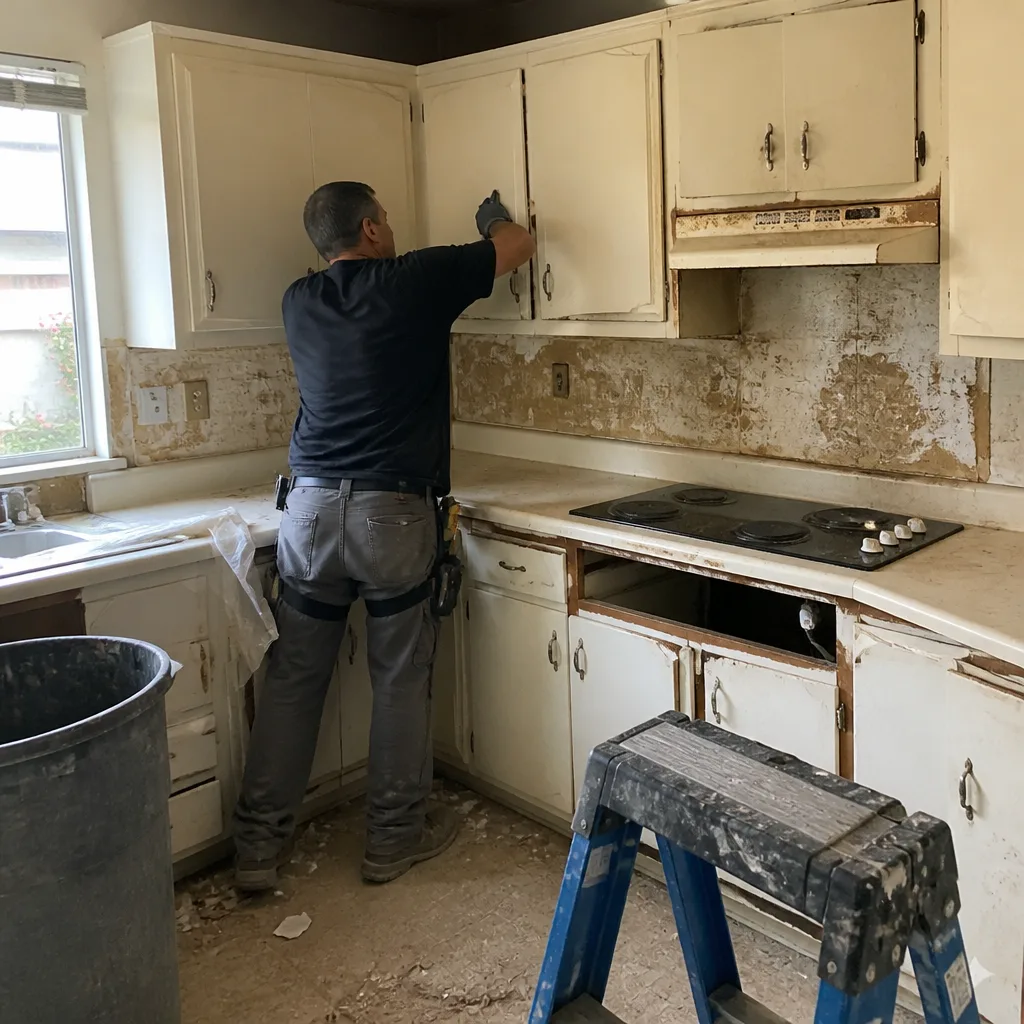
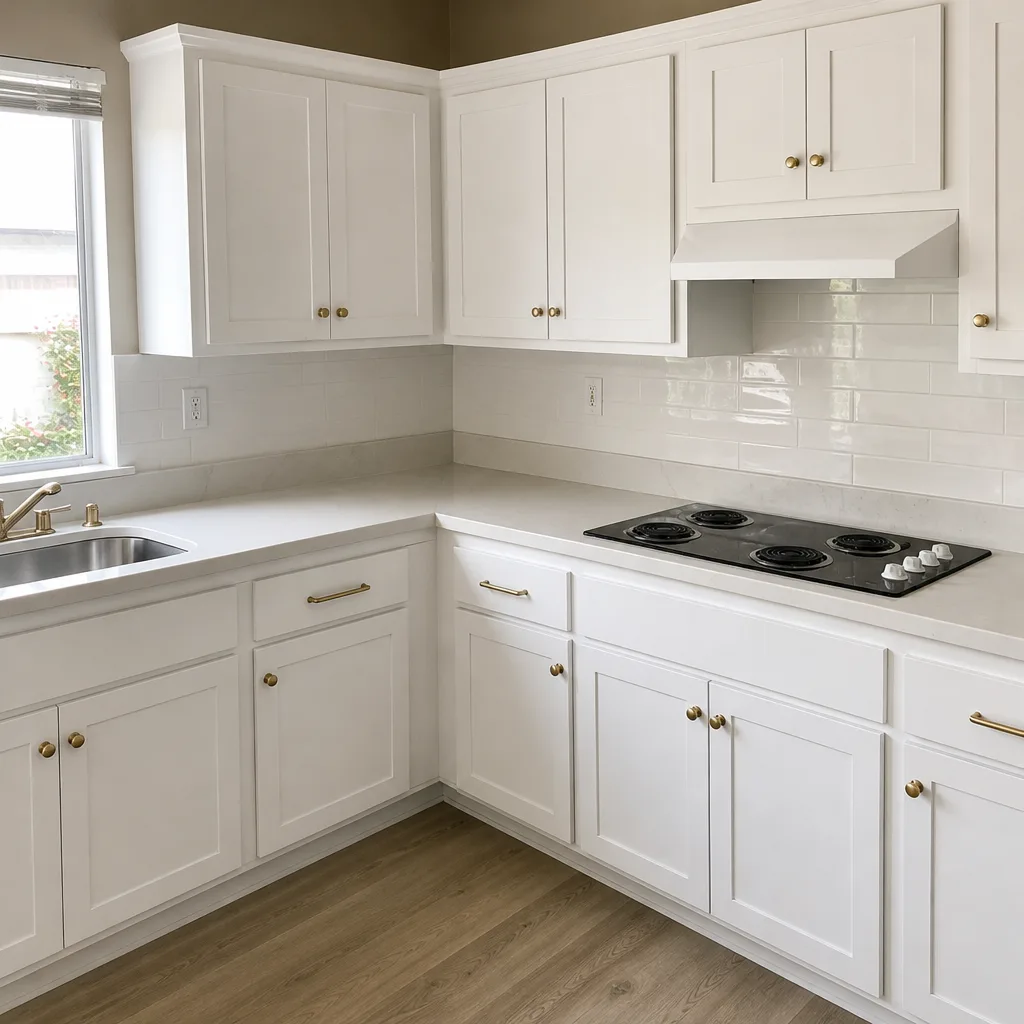
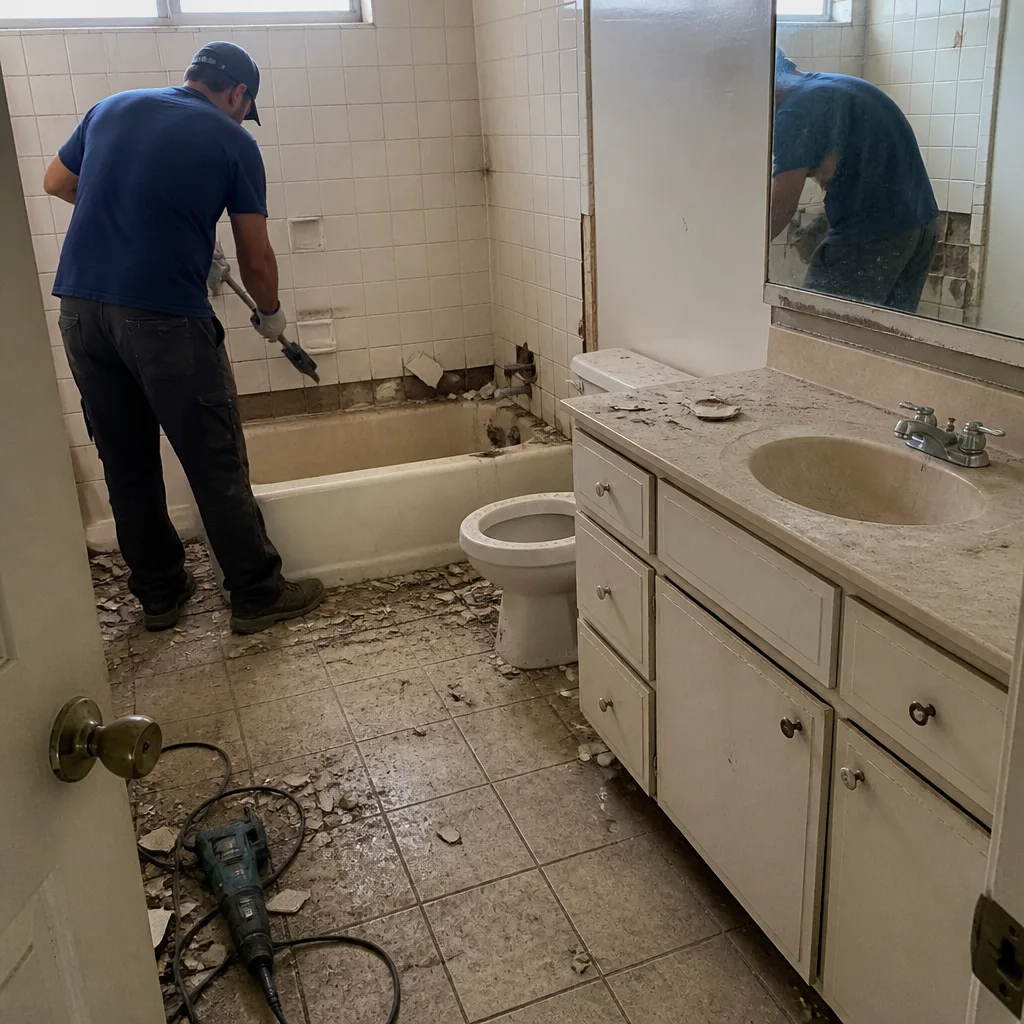
See the difference
 Before
 After
 Before
 After
 Before
 After
When to Call a Professional
Call a professional when the project touches structure, electrical, gas, plumbing alterations, or roofing. Call when the work requires a permit, when the association will review it, or when you plan to sell within the owner-builder disclosure window. Call when the failure mode is dangerous rather than inconvenient. And call when the scope spans multiple trades, because coordinating separate vendors on a single project is where timelines slip. Construction Yorba Linda offers free estimates in Yorba Linda – call (888) 356-5940. Our technicians have up to 9 years of experience, and we work with more than 50 named manufacturers across every trade we handle, so you choose the brand and we handle the installation. You get a written line-item estimate, the permits pulled, and the inspections scheduled and passed. One contractor, every trade, from the driveway to the roofline.
Frequently Asked Questions
Yes. California allows homeowners to act as their own contractor on a property they intend to live in, which is called an owner-builder permit. The catch is that pulling your own permit creates a disclosure obligation and a legal presumption at resale that a professionally permitted job doesn’t. Call (888) 356-5940 for an exact quote on having the work permitted and performed professionally – estimates are free.
Only when nothing goes wrong and no permit is involved. Once you add re-permit fees, failed inspections, correction work, and resale disclosure complications, the savings often disappear. For cosmetic projects, DIY can be genuinely cheaper. For permitted or structural work, a written estimate usually wins the comparison. Call (888) 356-5940 for your free written estimate.
Electrical panel and circuit work, any gas line work, structural changes, and roofing. These categories fail dangerously rather than inconveniently, and roofing carries additional weight given the region’s wildfire exposure. The margin for error on roof detailing is small and the consequences are large. Call (888) 356-5940 to schedule a free estimate.
Usually yes, for anything visible from outside. Roof replacement, fencing, exterior paint, window replacement, and hardscape typically require architectural committee approval, and many associations specify approved materials and colors. The HOA review is a separate gate from the city permit, and both have to clear before work starts. Call (888) 356-5940 for help understanding what your project needs.
It depends on the category, but the cost usually shows up in four places: re-permit fees, failed inspection rework, contractor upcharges to correct non-standard prior work, and resale negotiation. The correction portion is what surprises homeowners most, because a contractor has to bring prior work up to standard before building on it. Call (888) 356-5940 to get a real number on your specific project – estimates are free.
No, when the project is scoped properly up front. We provide a written line-item estimate, and the estimate sets the final price. The one caveat worth knowing: if a project contains hidden conditions or non-standard prior work, that has to be identified during the estimate phase, not discovered mid-build. That’s why we inspect before quoting. Call (888) 356-5940 to schedule your free estimate.
The Bottom Line
The DIY-versus-hire decision in Yorba Linda isn’t a skill test. It’s a question of permit exposure, HOA approval gates, and whether the failure mode is dangerous or merely inconvenient. Cosmetic interiors, landscaping, and minor repairs stay in the DIY column. Structural, electrical, gas, plumbing alterations, and roofing belong with a licensed professional, especially given the region’s fire exposure. And if you plan to sell within the owner-builder disclosure window, that fact alone can move a project out of the DIY column. Get a written estimate before you decide. The estimate is free, and it gives you a real number to compare against your own plan.
If you’re sorting through a project and want a straight answer on which column it belongs in, call Construction Yorba Linda at (888) 356-5940. We answer 24/7, with fast dispatch from 7am to 7pm, Sunday through Friday. Estimates are free, written line-item quotes are standard, and we pull the permits and pass the inspections as part of the job. Whether it’s a bathroom gut, a window and door replacement, or an ADU, we can spec it to your standard with brands like Kohler, Moen, and Caesarstone, and give you a real number to work from before you commit.
Written by the team at Construction Yorba Linda.