
Last updated November 17, 2026
 Home additions & ADU
 Kitchen remodeling
 Bathroom remodeling
 Roofing
 Windows & doors
 Driveway & pavers
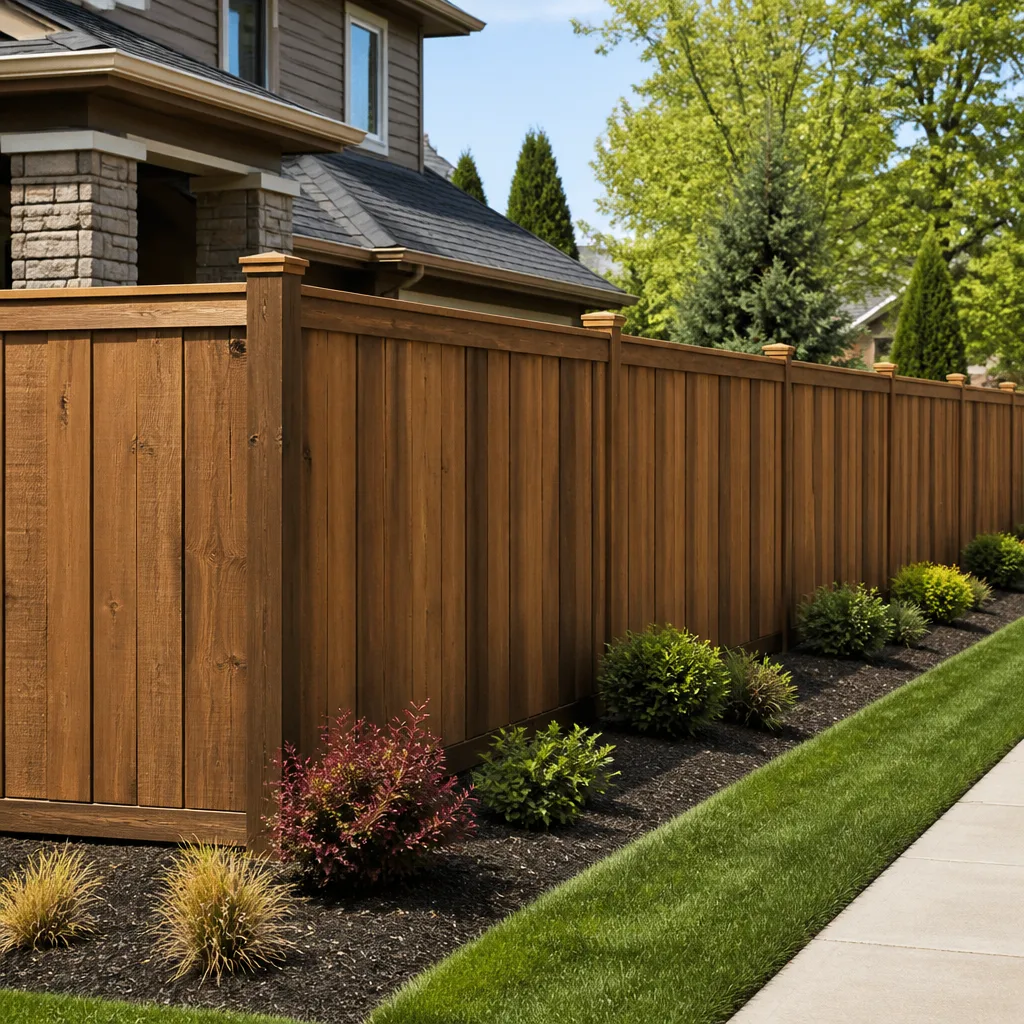 Fence
Free written scope consultation - allowances, timeline, and change-order rules on paper before a single trade is scheduled
Seasonal Construction Care for Yorba Linda: Year-Round Homeowner’s Guide
Most Yorba Linda homeowners schedule their roof inspection in spring because that’s what the standard maintenance advice says to do. But the leaks we see on Yorba Linda homes almost always start in December and January, when the first real rain lands on sealants that have been baked brittle by five months of dry heat. The damage doesn’t happen in the storm. It happens months earlier, quietly, while the weather is still perfect. This guide lays out a maintenance calendar built around the seasons this city actually has, not the four-season template written for the Midwest: a heat season, a fire season, a short wet window, and a Santa Ana wind period. Each one stresses different parts of your house. Get them in the right order and every roofing, fencing, hardscape and window system on the property lasts longer.
Quick Answer
Yorba Linda’s climate runs on four real cycles, not four calendar seasons: a fire season that builds from late spring, a heat season of sustained triple-digit temperatures from July through September, a Santa Ana wind period in October and November, and an intense but short wet window from December through February. Seasonal construction care here means inspecting each system before its stress season, not after. Roofing, sealing and ember-resistant detailing happen in spring, heat-stress checks on wood fencing and concrete flatwork happen in early summer, wind-fastening checks happen in early fall, and drainage and window flashing checks happen before the first rain.
Styles & brands we work with
- Kitchen remodeling
- Bathroom remodeling
- Home additions & ADU
- Roofing
- Windows & doors
- Driveway & pavers
- Fence
Table of Contents
- Why Standard Seasonal Advice Fails in Yorba Linda
- Pre-Fire Season Checklist (May – June)
- Heat Season Stress Points (July – September)
- Santa Ana Wind Prep (October – November)
- Wet Season Readiness (December – February)
- What You Can Handle and What Needs a Licensed Contractor
- Choosing Materials That Survive the Cycle
- The Full Twelve-Month Calendar at a Glance
Why Standard Seasonal Advice Fails in Yorba Linda
National maintenance guides assume a hard freeze will kill off the insects, snow load will test the roof, and ice will find every gap in the flashing. None of that happens here. What happens instead is subtler and, in some ways, harder on a house: month after month of dry heat pulls the oils out of wood and the flexibility out of caulk and sealant. Then the Santa Ana winds arrive and push on everything at once. Then, usually right around the holidays, it rains hard for a few days.
That sequence matters because each stage sets up the next. A summer of 100°F afternoons bakes the sealant around your window frames and the mastic on your roof penetrations. The dried-out material doesn’t fail on its own. It fails when the wind flexes it, or when water finally shows up and finds the hairline crack the heat opened. This is why a Yorba Linda roof can look perfectly fine in September and leak in January.
The same logic applies below the roofline. Irrigation lines in Yorba Linda’s inland clay-and-granite soils tend to shrink and settle through the dry months, which is why gutter and drainage issues often show up right when the rain starts rather than gradually. Wood fencing along a sunny western exposure dries and checks faster here than in cooler parts of the region. Driveway and patio pavers shift slightly as the ground expands and contracts through the dry-wet swing, and that movement shows up at the joints first.
None of this is a reason to worry. It’s a reason to work on the right schedule. Align your maintenance tasks to what’s actually coming and most of these problems never develop in the first place. If you’d rather have the whole scope of exterior work assessed in one visit than piece it together yourself, Construction Yorba Linda covers every trade from the driveway to the roofline, and a free estimate will tell you where the weak points are before the season that tests them.
Pre-Fire Season Checklist (May – June)
Fire season preparation in Yorba Linda is usually talked about as brush clearing. That’s only half of it. The other half is the building envelope, and it’s the part that most homeowners never inspect because it doesn’t look dangerous. Embers don’t need an open flame to start a fire. They need a place to land.
Your May and June window is the right time because the vegetation is still manageable and you’re months ahead of the peak risk. Here’s what to work through:
- Roof surface and debris traps. Clear the roof itself and every valley. The junctions where a gable meets another roof plane collect leaves, seed pods and palm fronds, and that pile is exactly where an ember would settle. On a tile roof, look at the underlayment edges and the ridge caps; missing or cracked caps let embers into the attic.
- Vent screens. Every attic and foundation vent should have a fine metal mesh. The standard quarter-inch mesh stops rodents but not embers. Talk to a contractor about upgrading to a finer ember-resistant screen rather than pushing through what’s there.
- Defensible space at the structure. The first five feet around the house matters most. Remove anything combustible from the wall line, clean under the eaves, and check that nothing stored against the fence line sits under an overhang.
- Wood fencing and gates. Wood fencing running right up to the structure on an uphill lot behaves like a wick. This is one of the strongest arguments for a non-combustible fence material, and it’s worth discussing with a contractor who can show you a range of options rather than one product.
- Gutter cleaning. Yes, in June. Dry plant matter sitting in a gutter through a long summer is a ready fuel load. Clear it now so it’s clean before the winds arrive, not after the first rain.
On the fencing side, we work with lines like Ameristar and Master Halco for metal and vinyl systems and Bufftech for composite that reads as wood without feeding a fire. Our technicians have up to 9 years of experience, and a full fence installation review can tell you whether your current fence is a liability and what a replacement would cost.
Heat Season Stress Points (July – September)
Sustained temperatures over 100°F are hard on materials in ways that accumulate slowly and show up suddenly. The pattern is predictable: most of what needs attention during heat season is on your west- and south-facing surfaces, and most of the damage doesn’t happen on the hottest day. It happens during the tenth heat wave, when the material has dried out enough that a single normal afternoon finishes the job.
Here’s where to look:
- Roofing materials. Asphalt shingles get more brittle as the volatile compounds in the mat work their way out over seasons of heat. That brittleness matters in wind, when a shingle that would have flexed either seals down or tears. Inland heat also affects the adhesive strips on individual shingles; walk the roof edge with binoculars and look for tabs that have lifted. Tile holds up well in contrast. If you’re planning a replacement, this is a good time to compare shingle and tile options side by side, and to compare warranties across brands like GAF, CertainTeed and Owens Corning rather than accepting the one line a contractor happens to sell.
- Wood fencing. Wood that’s been in the sun for months shrinks, checks and pulls at fasteners. Boards loosen. Posts pivot slightly in dry soil. A fence that looked solid in April can have a single board you could push out by September. If your gate has dropped or stopped latching cleanly, that’s the same process showing up in a different way.
- Concrete flatwork and pavers. Concrete cracks because it cures and moves. That’s normal, not a failure, and driving yourself to a repairman over every hairline is the wrong move. What matters is whether a crack widens or the slab has heaved out of level. Paver joints are a different story: polymeric sand dries and can wash or blow out from a high-traffic joint, and resealing those joints in the cooler shoulder season before the wet winter is a far better plan than waiting until water gets under the surface.
- HVAC penetrations and roof curbs. The metal flashing around an AC unit or a roof vent expands and contracts more than the roof around it. That’s where gaps open. Look for daylight between the flashing and the shingle; that gap leads straight into your attic.
- Sealant at window frames and door surrounds. Interior caulk at a west-facing window will crack through a long summer. So will the exterior joint between the window frame and stucco. This isn’t a failure of your windows, it’s a maintenance item, and fixing it in August is much cheaper than fixing the water damage in February.
If you’re thinking about a full window replacement because the old ones are getting hard to live with in the heat, know that you can choose from PGT, Therma-Tru and ECO Window Systems rather than taking a single brand the contractor stocks. That’s the advantage of a contractor with real manufacturer depth: Construction Yorba Linda works with 50+ name-brand manufacturers across every trade we offer, so the product is spec’d to you.
Santa Ana Wind Prep (October – November)
Santa Ana winds are the fastest and most violent thing that happens to a Yorba Linda home all year. They arrive dry, they push for hours, and they test every fastening on your exterior that you’ve never thought about. Damage doesn’t usually come from the wind breaking something; it comes from the wind leveraging a small weakness into a large one. A gate that’s already loose tears off. A roof edge that’s already lifting peels back. A patio cover that was never anchored for wind lifts at one corner and then it’s a projectile.
October and November is your inspection window. Go through these in order:
- Fencing, post by post. Push on each post at the top. If it moves more than slightly, the anchor is failing and the wind will finish it. Look at the rails where they meet the posts: a rail that’s splitting at the fastener is the classic wind failure point.
- Patio covers and shade structures. Every leg, every anchor, every corner bracket. Pay attention to the connection into the ground or the slab. Concrete footings for shade structures should stay in place through a wind event, not just through a calm summer.
- Gutters and downspouts. If you cleaned them in spring, check them again. If you didn’t, a gutter loaded with debris is a sail. It can tear away from the fascia or overload the hangers.
- Roof flashing. Look specifically at the fascia transition, the chimney or vent stack flashing, and the area at the ridge. If you can see daylight or a gap, get it addressed before the winds. This is roofing work, not homeowner work; a roof at height is a fall hazard and lifting shingles can damage the seal.
- Trees and limbs. Check limbs over the roof and near the power drop. Prune before the wind, not after the damage.
- Loose outdoor items. Planters, furniture, and anything on a patio cover that can lift. This one costs nothing and stops more damage than any repair.
If the wind work uncovers something structural, a full exterior assessment from a single contractor that also handles roofing and fencing is much less trouble than arranging two separate trades on two separate schedules.
Wet Season Readiness (December – February)
Yorba Linda’s wet window is short, but it’s intense when it arrives, and the ground and gutters are as dry as they’ll be all year the day it starts. That’s a recipe for water finding every gap that summer opened. The month to get ahead of this is November, but December works if you’re running late. Here’s where to look.
- Gutters and downspouts, cleaned and tested. A rarely-used gutter in Yorba Linda can look empty and still fail because the debris has cured into a stucco-like crust at the bottom. The only real test is water. If you can be on a ladder safely, run a hose through it and watch what happens at the downspout outlet. If not, hire someone; ladder work at gutter height is not worth a fall.
- Drainage away from the structure. Look at where the downspout dumps. If it dumps onto a slab, into a planter against the house, or into a low spot that stays wet through the wet season, redirect it or add a French drain. Standing water near the foundation is one of the most common and most avoidable causes of long-term damage in a Yorba Linda home.
- Window and door flashing. The flashing above windows and the joint around the frame is the number one place water gets behind a wall. If you can see a gap between the flashing and the wall, or caulk that’s pulled away, that’s a contractor item. Bad flashing is very hard to spot once the water is already inside.
- Roof sealant and mastic. Any crack that opened through the summer should be sealed before the rain. On a tile roof this means checking the valley seals and the mortar at the ridge; on shingle, check the penetrations and any lifted tabs. Get it inspected, not done yourself.
- Drainage at the base of fencing and hardscape. Water pooling against a fence post rots the post. Water sitting in a paver joint forces sand out and lets the base material migrate. Fix grading or add drainage before the wet season, not after.
- Interior checks. Walk your attic and look for water staining on the underside of the roof deck. This is the single best early warning you can get with a flashlight.
If a roofing inspection in November finds a problem, you’re in a much stronger position replacing it before the wet season than patching it. If you’re planning a full roof or a new roofing replacement, comparing brands like GAF, CertainTeed, Owens Corning, IKO, Atlas, Tamko and Boral across their warranty tiers is exactly the kind of choice we make available: you choose the brand, we handle the installation.
What You Can Handle and What Needs a Licensed Contractor
Some seasonal maintenance is genuinely in reach for a careful homeowner. Some of it looks easy and is not. It helps to know which is which.
Tasks most homeowners can handle themselves
- Clearing debris from the roof surface with a leaf blower from the ground or with a roof rake, keeping both feet on the ground.
- Cleaning gutters from a ladder on stable ground, if you’re confident on a ladder and the run is low.
- Washing down window frames and inspecting caulk joints with a flashlight.
- Cleaning and lubricating fence gates so they latch, swing and close cleanly.
- Testing drainage flow and re-routing a downspout extender.
- Tightening anything the wind has loosened that doesn’t involve the structure, such as rail caps or fence boards.
- Cutting back vegetation around the structure and cleaning under eaves.
Tasks that need a trained professional
- Anything on the roof itself above a walkable flat or low-slope surface. Roofing at height is a genuine fall hazard, and a fall from a sloped roof causes serious injury; that’s a licensed pro’s work, not a homeowner weekend project.
- Any work on electrical systems, wiring, panel or lighting, which is genuinely dangerous and should be handled only by a trained electrical professional.
- Any work involving gas lines or gas appliance connections, which is genuinely dangerous and should be handled only by a trained gas professional.
- Structural repairs to a fence post, patio cover footing or any element carrying load.
- Window and door replacement, including any flashing work. Flashing is invisible once the trim is back on, and mistakes are exactly the ones that cause damage for years.
- Sealing roof penetrations and mastic work. Yes, it’s a tube and a caulk gun. It’s also five to eight feet up.
- Any change to the exterior footprint: new pavers, new additions, new ADUs. That’s permitting territory, and it needs a contractor and an inspector.
If you’re not sure which category something falls into, a free estimate is the honest way to find out. If it’s a homeowner task, we’ll tell you.
Choosing Materials That Survive the Cycle
A lot of what these seasonal cycles stress could be reduced by choosing the right material the first time. That’s where we put most of our attention: getting the homeowner a real choice across brands, rather than one default product line.
Roofing. Across GAF, CertainTeed, Owens Corning, IKO, Atlas, Tamko and Boral, the range runs from standard three-tab asphalt to high-end tile, with warranty coverage that varies by tier and manufacturer. In Yorba Linda’s heat, higher-grade shingles and tile hold up noticeably better over time. James Hardie siding for the exterior adds a heat and ember-resistant element that wood doesn’t match.
Fencing. If fire exposure is a concern on your lot, a metal or composite fence is a different category of protection than wood. Ameristar, Master Halco and Bufftech each offer systems built for long life in inland sun.
Pavers and hardscape. Belgard and Techo-Bloc hold up well against the dry-wet cycle, and the quality of the base material matters as much as the pavers themselves. Quikrete and Sakrete base products with proper compaction do more for a flatwork’s longevity than the surface finish.
Windows and doors. PGT, Therma-Tru and ECO Window Systems each offer product lines at different performance points. The right spec depends on the exposure, not a default brand.
ADU and additions. If you’re planning to add livable square footage, the Yorba Linda climate changes what makes sense on a prefab versus site-built schedule. Our prefab partners include Abodu, Dvele, Mighty Buildings, Boxabl and Plant Prefab, and each has different strengths. Site-built lets you match the existing house exactly. You can compare both paths in the same conversation, which is the whole reason we work with both.
If you’re adding a unit as part of a broader exterior upgrade, or planning one on a property that needs roofing and fencing work in the same year, the home additions & ADU team can coordinate the schedule so you’re not sequencing three contractors on three different calendars.
The Full Twelve-Month Calendar at a Glance
Here’s the whole cycle in one place, ordered by what each season actually stresses:
| Month | Focus | Primary Task |
|---|---|---|
| January – February | Wet season | Monitor flashing, drainage, and interior for water intrusion |
| March – April | Recovery | Assess winter damage, plan spring exterior work, patch noted issues |
| May – June | Pre-fire season | Roof debris clear, vent screens, defensible space, gutter clean |
| July – September | Heat season | Check fence boards, window caulk, roof penetrations, and paver joints |
| October – November | Santa Ana wind | Check post anchors, patio cover brackets, gutter fasteners, roof flashing |
| December | Pre-wet season | Test gutters, reseal roof penetrations, confirm drainage away from foundation |
Three or four tasks properly scheduled each year covers nearly everything. The point isn’t a long list of work. The point is that each task is done before its stressor rather than in response to damage.
Common Mistakes to Avoid
- Inspecting your roof in spring, when the damage was already done in December. A spring inspection finds the leak but not the cause. Inspect in fall, before the wet window, and you’re inspecting a system that hasn’t been tested yet.
- Skipping the gutter clean because rainy days are short here. Yorba Linda’s short wet window is intense, and a gutter that’s rarely used is exactly the one you don’t notice has cured into a block of leaf litter until the first hard rain. Clean it in spring and again in fall.
- Treating paver joint sand as a one-time installation. Polymeric sand can wash and blow out with the seasons. Resealing the joints in the shoulder season protects the base from the wet window far more than fixing a washed-out joint later.
- Sealing and painting over dry wood without conditioning it first. Wood that’s baked through a long summer will absorb less finish than you expect, and a finish applied to dry wood will check. Prep, don’t just coat.
- Assuming tile lasts forever. Yorba Linda’s tile roofs are durable, but the underlayment beneath them has a service life, and the mortar at the ridge and valley seals is what actually keeps water out. The tile is the visible material, not the waterproofing.
- Doing roof work yourself because the slope looks walkable. A fall from a sloped roof is serious, regardless of height, and lifting a shingle can crack the seal. This is a pro’s job, and no homeowner task list is worth an injury.
- Adding an ADU without checking the drainage and foundation implications first. Adding a unit changes how water moves across a lot. A proper plan accounts for the existing flatwork and the grade before the first foundation is poured.
See the difference
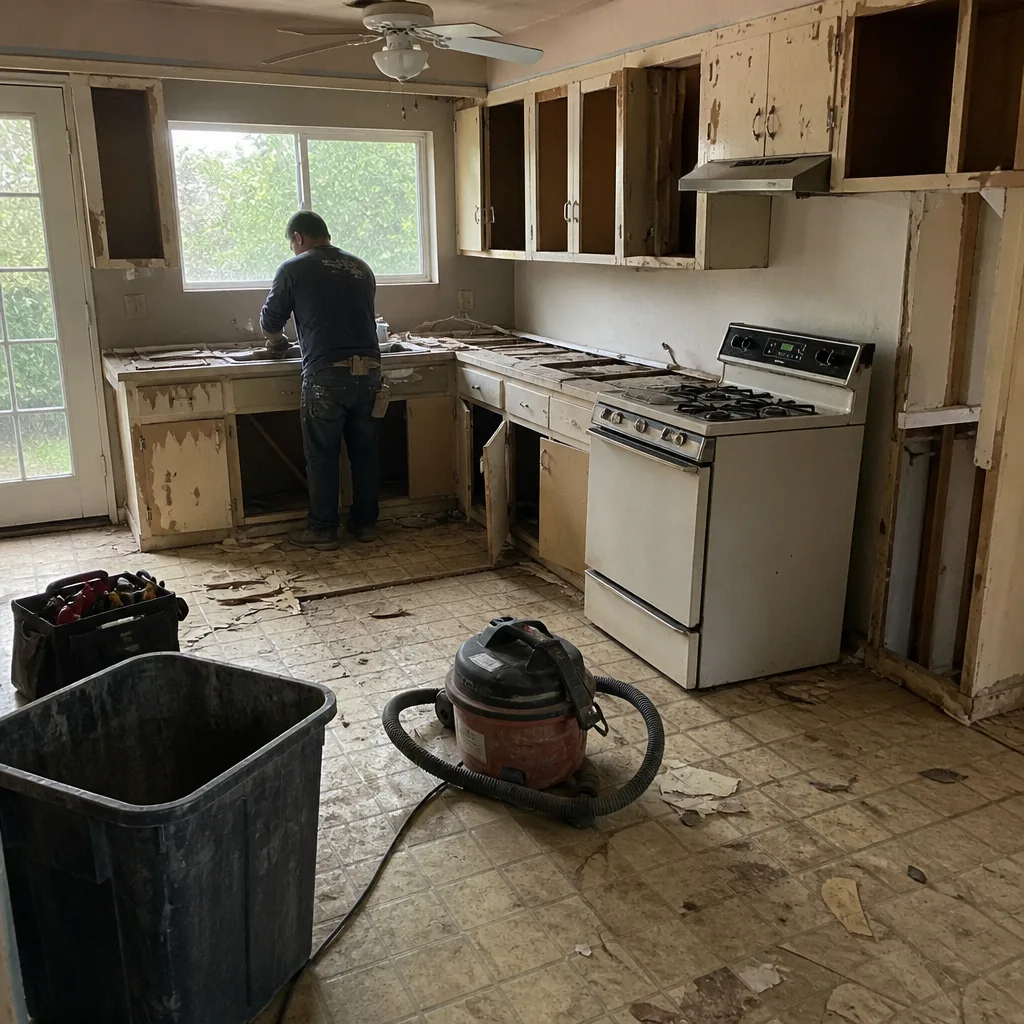 Before
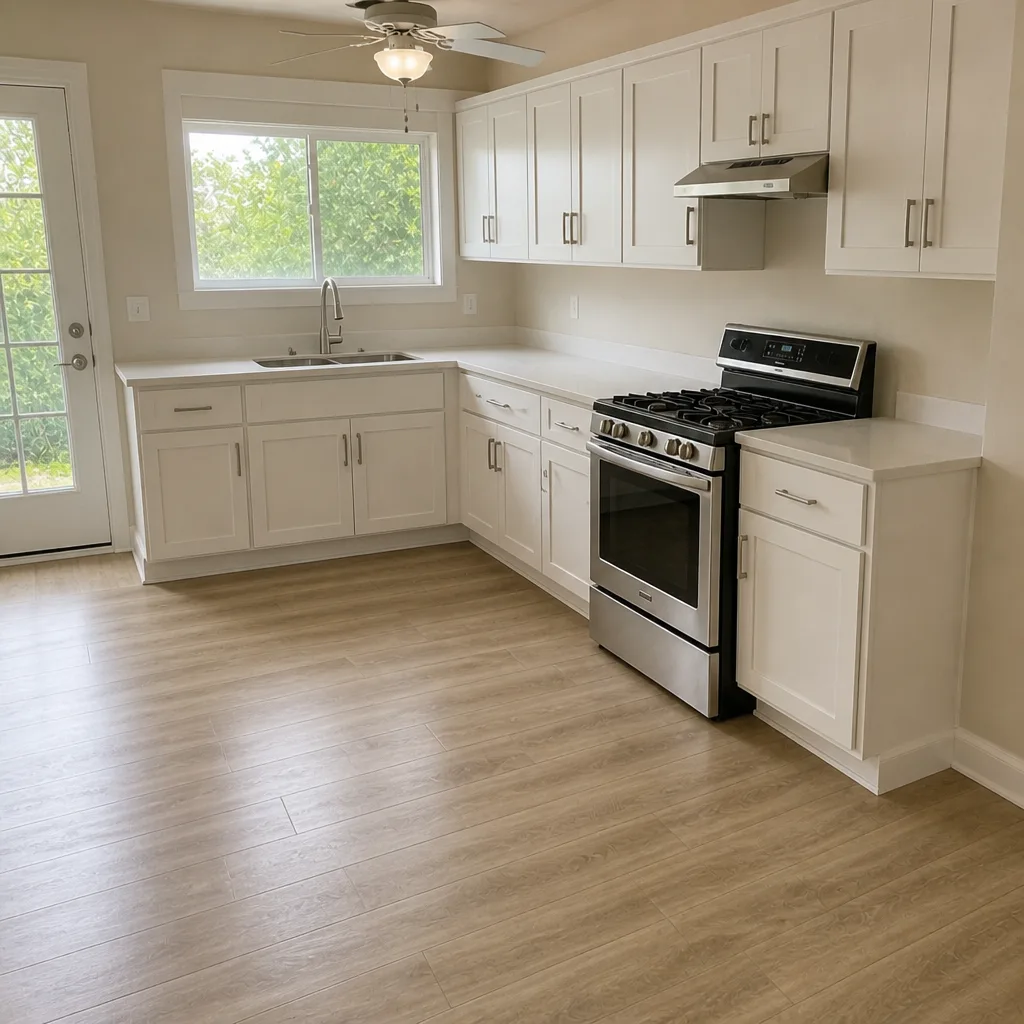 After
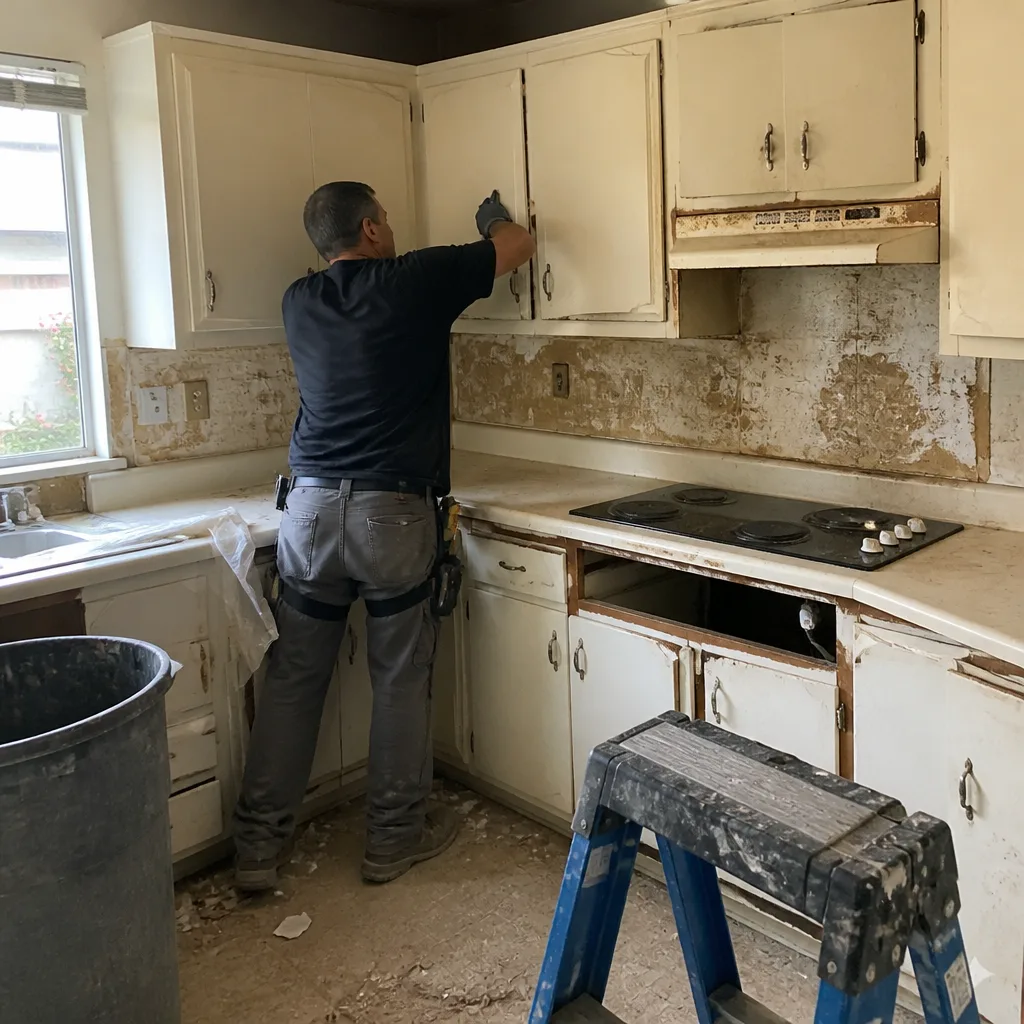 Before
 After
 Before
 After
When to Call a Professional
Call us when any of these come up. A roofing inspection before the wet season, an assessment of fencing that’s failed an anchor check in the wind, a window or door replacement where flashing is part of the work, sealant that’s failed at a roof penetration, flatwork that’s heaved out of level, pavers that are washing sand out at a joint, or any plan for an addition, ADU, kitchen, bath or full exterior upgrade you want scoped and priced as a package. Construction Yorba Linda offers free estimates in Yorba Linda. Call (888) 356-5940. Estimates are free and the written estimate sets the price.
Frequently Asked Questions
The right month is October or November, not spring. Your roof has to survive the Santa Ana winds and the wet window in December and January, and the sealants that fail during those events dried out through the summer. A fall inspection catches a failing sealant or lifted shingle before it’s tested, while a spring inspection finds the damage after it happened. Call (888) 356-5940 for a free roofing estimate.
Twice a year covers most homes here: once in late spring after the last of the tree debris, and once in fall before the wet window. Yorba Linda’s short wet season means a gutter that’s neglected all year isn’t usually tested lightly; it gets tested hard during a few days of rain. The fall clean is the one that matters most. Call us for a free estimate if you want the inspection done properly.
Wood fencing here takes a different kind of beating than in cooler climates. It’s not the freeze cycles; it’s the long dry summer followed by wind events and a short wet window. Wood that dries through a summer cracks and pulls at the fasteners, and then the Santa Ana winds flex it directly. If your gate has dropped or boards are pushing loose, the fence is telling you it’s stressed. Call (888) 356-5940 for a free estimate on a fence inspection or replacement.
No. Roofing at height is a genuine fall hazard, regardless of the slope, and lifting a shingle or poking at flashing can damage the seal. It’s also work that’s hard to assess from the ground. Clearing gutter debris from a ladder is fine if the run is low and stable, but anything on the roof itself belongs to a trained professional. Call (888) 356-5940 to schedule a roofing estimate.
The right window is the shoulder season, typically spring or fall, before the wet season and after the worst of the heat. Polymeric sand can wash or blow out through the dry-wet cycle, and resealing the joints keeps the base from migrating and protects the surface. Doing it in July is a waste of material; doing it in November is too late for the wet window. Call (888) 356-5940 for a free estimate on paver work.
Most minor sealing and repair work doesn’t require a permit, but anything that changes the structure, footprint or drainage of the property usually does. That includes anything from a new fence over a certain height to a new paver surface to a new ADU. Ask your city’s building department for the specifics on your project before starting. Construction Yorba Linda can pull permits and pass inspections for the work we handle. Call (888) 356-5940 for a free estimate.
The Bottom Line
Yorba Linda doesn’t need a four-season maintenance calendar. It needs a calendar built around what actually stresses a house here: the heat season, the fire season, the Santa Ana winds, and the short but intense wet window. Inspect each system before its season, not after. Do the homeowner tasks yourself where it’s genuinely safe, and call a professional for anything on the roof, on the electrical or gas side, or in the structure. Get the right materials for this climate rather than the default the contractor happens to stock, and you extend the life of every system on the property. Call Construction Yorba Linda at (888) 356-5940 for a free estimate. We answer 24/7. Fast dispatch from 7am to 7pm, Sunday through Friday.
Written by the team at Construction Yorba Linda.