
Last updated November 17, 2026
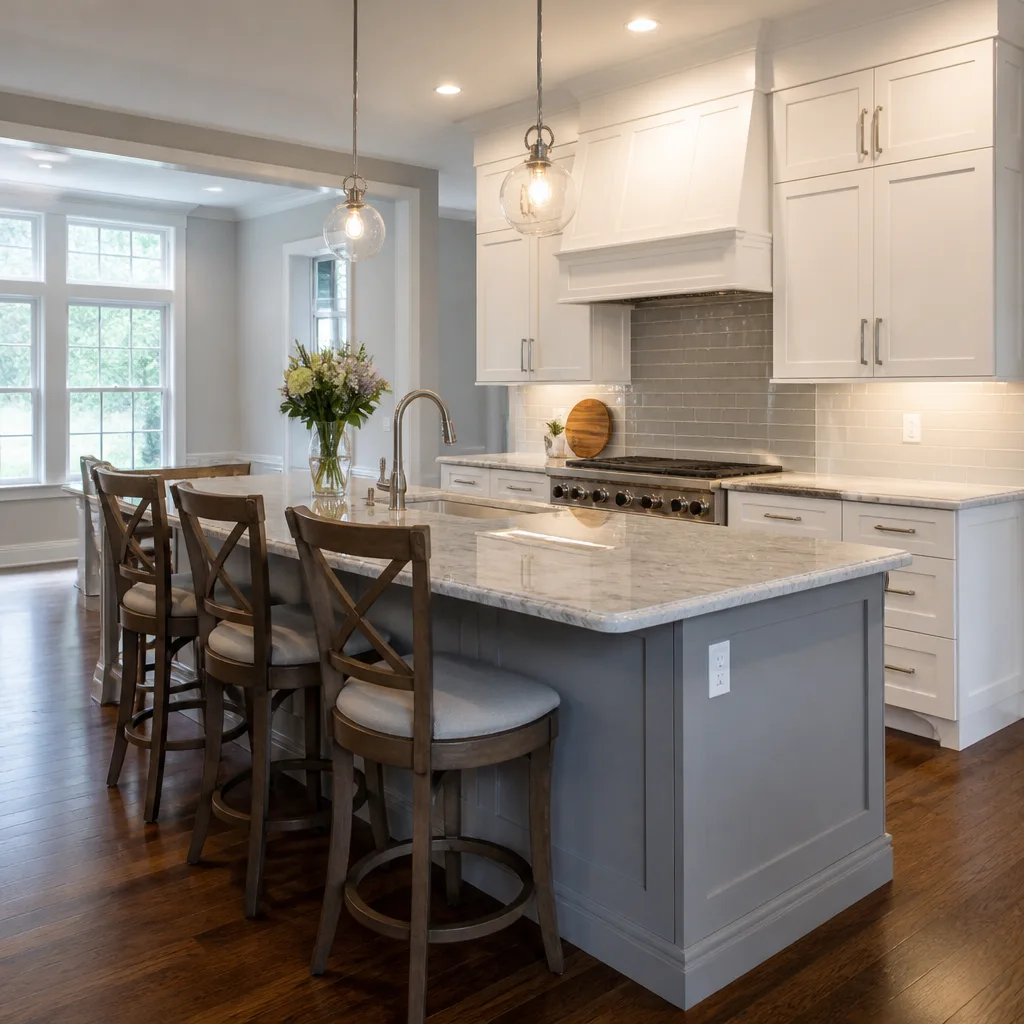 Kitchen remodeling
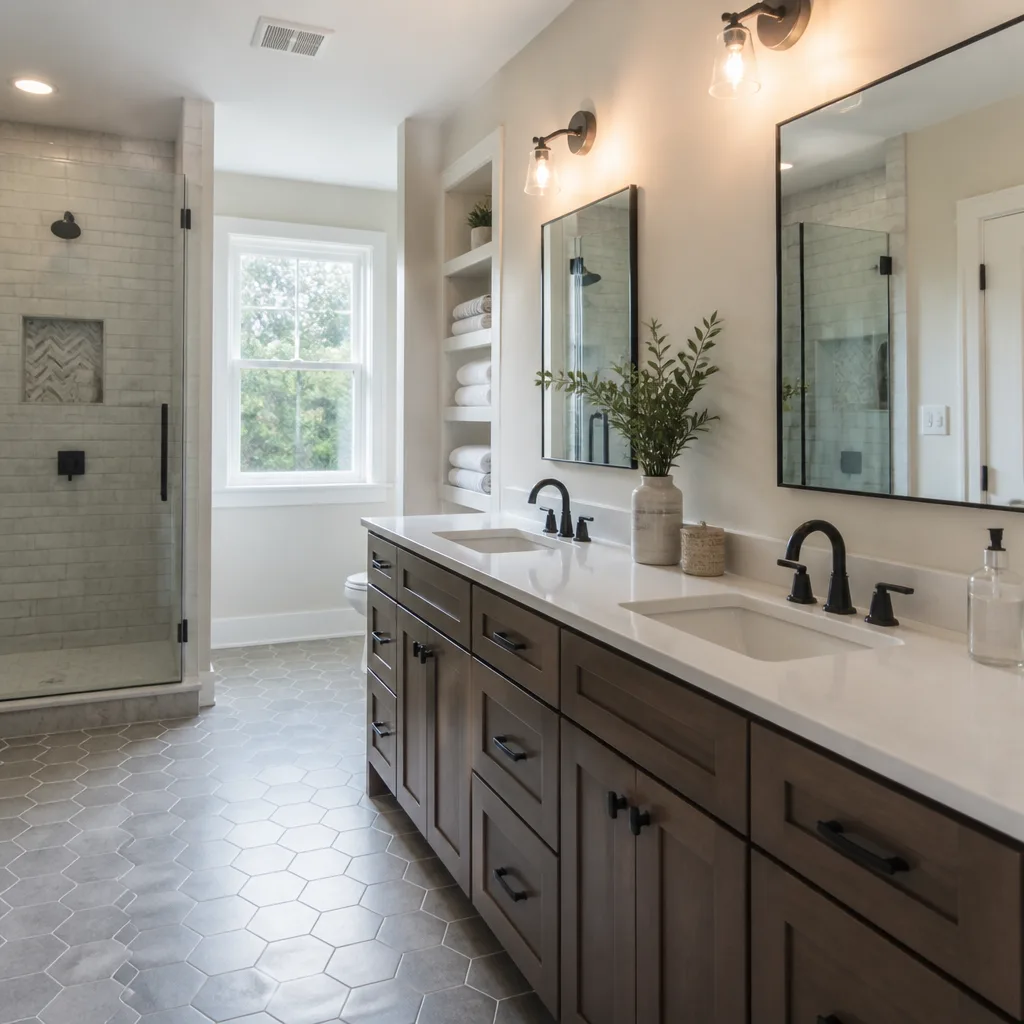 Bathroom remodeling
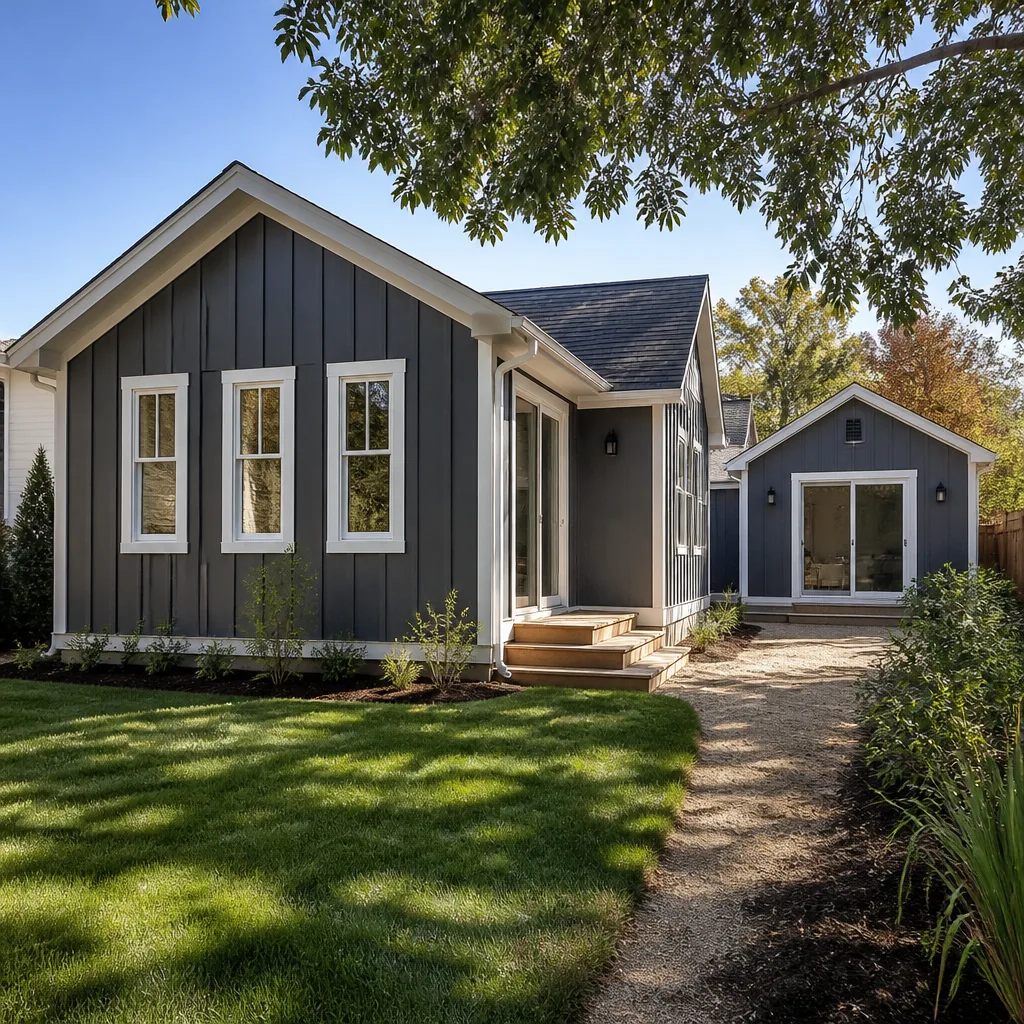 Home additions & ADU
 Roofing
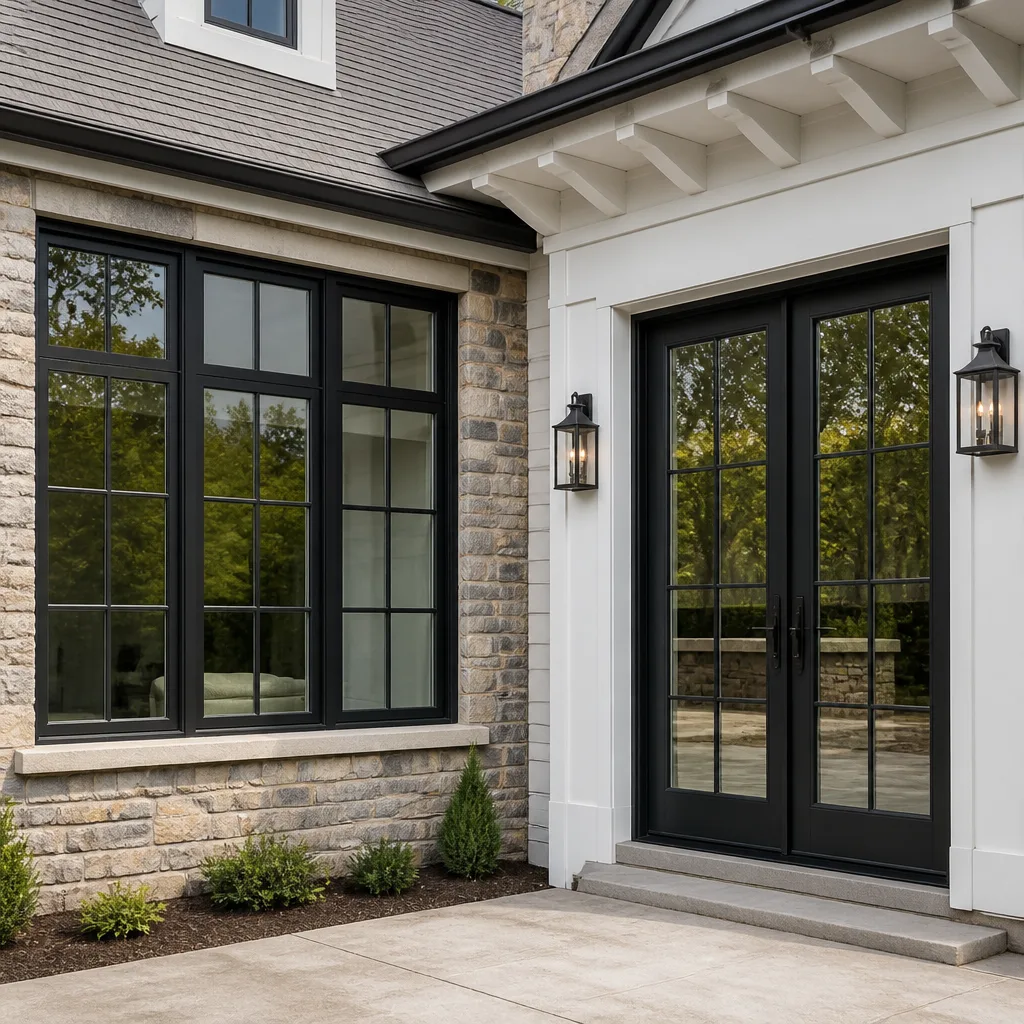 Windows & doors
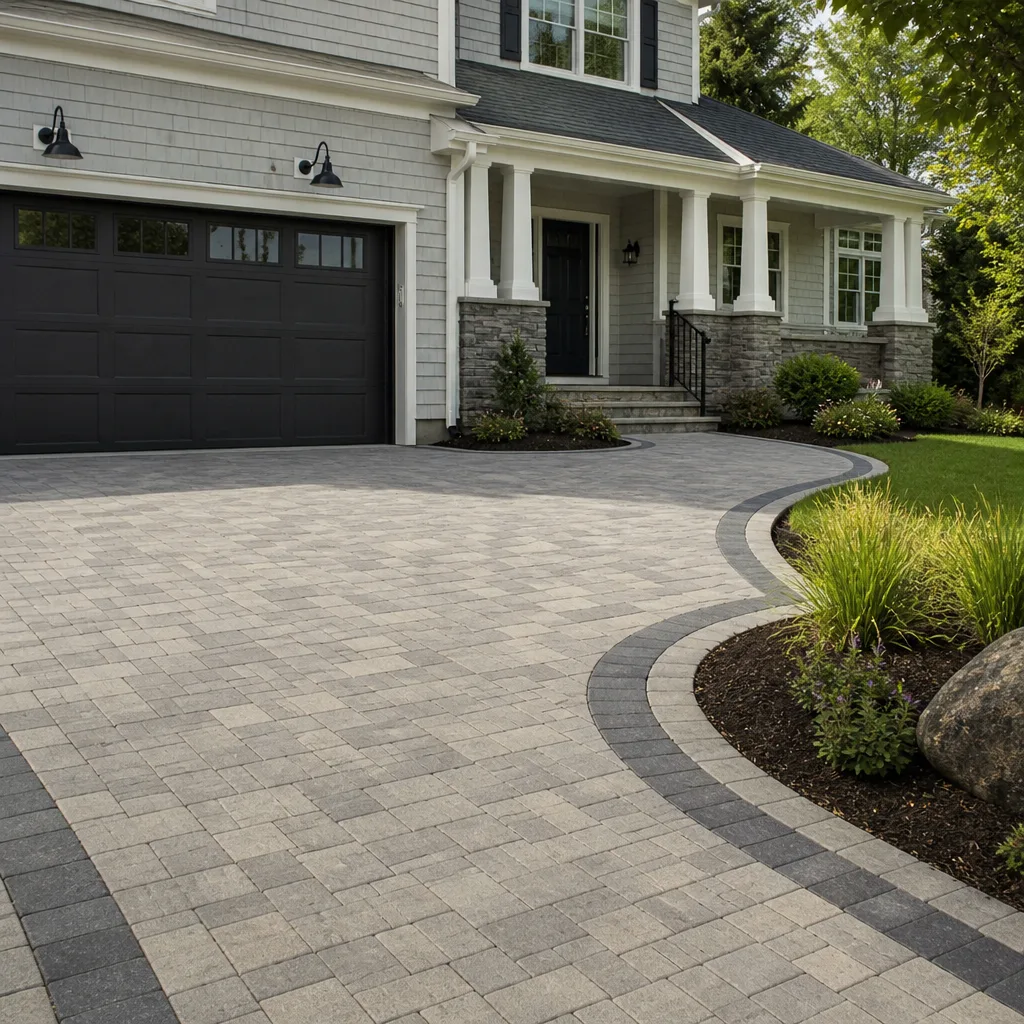 Driveway & pavers
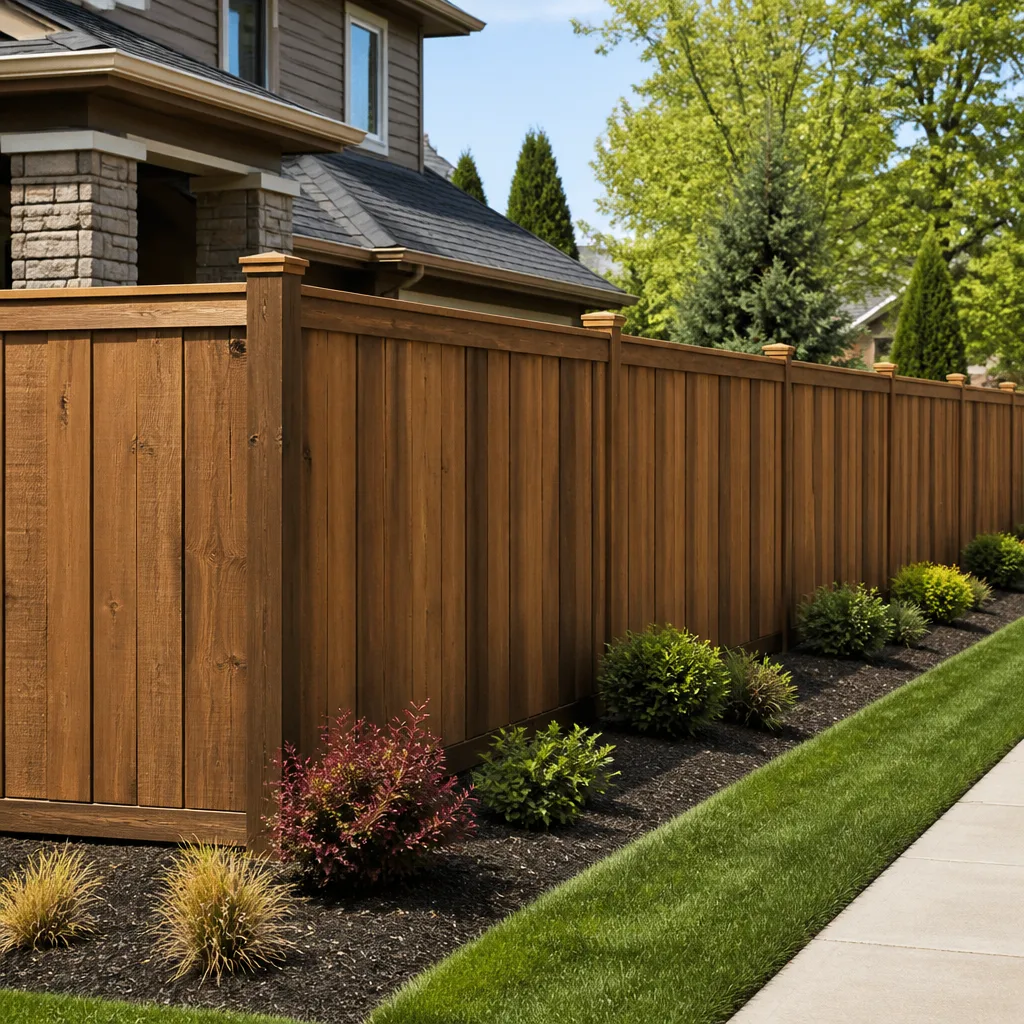 Fence
Free written scope consultation - allowances, timeline, and change-order rules on paper before a single trade is scheduled
How to Hire a Construction Contractor in Yorba Linda: A Step-by-Step Guide
A $40,000 gap between two kitchen remodel bids in Yorba Linda doesn’t always mean one contractor is cheaper. It often means one bid is missing the structural work, the permit fees, or the material allowances that the other has buried deep in the line items. The standard advice to “get three bids” is close to useless if you don’t know what you’re comparing. We’ve watched homeowners compare a number to a number and assume the higher one is padding and the lower one is a deal, when in reality the pages in front of them describe two completely different projects. This guide teaches you to read a bid the way a contractor reads one, so you can tell which proposal is complete, which is thin, and which one leaves you holding the risk.
Quick Answer
To hire a construction contractor in Yorba Linda, verify the contractor’s license classification and standing through the California State License Board before you talk scope or money, then compare bids on what’s actually included, not just the total: permit pull, inspection scheduling, material brands and allowances, and who is on the job. A complete bid names all five. A cheap bid is the one that omits at least one of them.
Styles & brands we work with
- Kitchen remodeling
- Bathroom remodeling
- Home additions & ADU
- Roofing
- Windows & doors
- Driveway & pavers
- Fence
Table of Contents
- Verify the license before you verify anything else
- How to read a Yorba Linda contractor’s bid
- Employees or subcontractors: who is accountable
- What whole-home scope does to the accountability math
- Permits, inspections, and the county line
- Brand specifications and why they belong in writing
- Negotiating scope without creating a gap
- Common mistakes to avoid
Verify the license before you verify anything else
In California, a contractor’s license can be checked in under five minutes, and you should do it before you discuss a single number. Every licensed contractor appears in the California State License Board database, where you can see the license number, the classification, the expiration date, and whether the license is currently active or the subject of a complaint. A license that has expired or been suspended shows up there.
The classification matters as much as the status. A B-General Building Contractor license covers the construction of a structure that requires more than two unrelated trades, which is the license class most residential whole-home projects fall under. Trade-specific classifications start with a C, and each covers a single trade. A roofing project needs a contractor holding the right roofing class or a B license that legally includes it. A project that touches structure, plumbing, and electrical under one contract is where the B classification becomes the number to look for.
How to check, step by step
- Ask the contractor for the exact license number in writing, not just company name.
- Open the CSLB license lookup and search by that number, not by name.
- Confirm the license is active, not expired, and the name matches the contract you’ll sign.
- Confirm the classification covers the scope you’re hiring for.
- Confirm the contractor carries bonding, which the CSLB database reflects directly.
Do this for every bid you receive, even the referral from a neighbor. A license search takes a few minutes and it’s the only check that protects you before money changes hands.
How to read a Yorba Linda contractor’s bid
A complete bid reads like a scope document, not an invoice for a lump sum. The difference between a proposal that shows the actual work and a proposal that shows one number is the difference between a project you can manage and a project that manages you. We tell homeowners to spread the bids side by side and check for five specific things in each.
- Permit line items. A real bid names the permit fee as a line, and it names who pulls the permit. If the number doesn’t exist, ask where it lives.
- Inspection scheduling language. A complete proposal states that the contractor will schedule inspections and meet them. It tells you when the inspector will be on-site at key stages.
- Material brand specification. Look for model numbers and brand names, not just “shingles” or “cabinets.” A bathroom proposal that lists KraftMaid or Wellborn is specifying product; one that says “white cabinetry” is specifying a color.
- Allowance lines. Kitchen and bath bids should show allowances for items the homeowner selects. A bid with no allowance line means selections are unpriced, and the final invoice gets decided later.
- Sequence of work. A good bid groups the phases: demolition, framing, rough trades, inspections, finish, punch list. It tells you what comes out of the house and when.
Two bids that look similar in total are rarely similar in scope. When the low bid omits the structural work or the permit fee, those items reappear as change orders. That’s how a “$40,000 gap” evaporates over the course of a remodel. The written estimate is the document that sets the final price, so make sure it names everything.
Employees or subcontractors: who is accountable
The person swinging the hammer on Tuesday may not be the contractor’s employee. Many companies operate with a core crew and bring in trade specialists for plumbing, electrical, and sometimes finish work. That’s normal in the trade, but it changes who answers for the work when something goes wrong.
When a general contractor coordinates subs, the homeowner is one layer removed from the people doing the work. If the plumber’s rough-in fails inspection, the call has to travel through the GC to the sub and back. If the cabinet installer chips a counter edge, the question of who pays can travel the same path. When one contractor holds the contract across every trade, the same call returns to one point of contact from permit to punch list. That’s the accountability structure most Yorba Linda homeowners are actually buying when they choose a single full-scope contractor rather than a GC juggling separate vendors.
Questions to ask before you sign
- Who is on the job day to day, and who is my single contact for the whole project?
- Which trades are direct and which are brought in from outside?
- When the trade specialist is on-site, who supervises the work?
- Who is on the hook if an inspection is failed or a defect shows up a month later?
Those questions don’t have a wrong answer, but the answer should be clear and stated on paper. A contractor who can’t tell you how the job is staffed is a contractor who doesn’t know either.
What whole-home scope does to the accountability math
Hiring a separate roofer, a separate window installer, a separate paver crew, and a separate kitchen contractor looks clean on paper and is messy in practice. Each contractor’s bid assumes the others are doing their part on time, and the schedule depends on coordination no one is being paid to own. The gaps at the seams, like when the new exterior work waits on the window install that waits on the roof, are where remodels stall.
One accountable contractor across the seven trade categories eliminates that risk: driveway and paver installation, fence installation, home additions and ADU construction, bathroom remodeling, windows and doors, roofing, and kitchen remodeling. From the driveway to the roofline is one scope, one contract, one schedule, and one party who answers for the handoff. In a Yorba Linda market where many homeowners plan multiple projects at once, that single point of contact is worth more than any bid line that saves a percentage point.
This is where a whole-home approach stops being a marketing phrase and starts being a schedule decision. If your driveway & pavers replacement needs to finish before the new fence goes in along the property line, that sequence is a single contractor’s problem to solve, not a phone call you’re coaching between two crews.
Permits, inspections, and the county line
Yorba Linda is your local jurisdiction for most residential work, which means the city’s building department reviews and inspects the job at every critical stage. Structural changes, additions, ADUs, roofing and many exterior projects require a permit, and the permit fee belongs in the bid. We’ve read plenty of proposals where the fee simply doesn’t appear, and that’s not a discount. It’s a line that shows up later.
The inspection itself is a schedule event. A proposal that names the inspections and states the contractor schedules them is a proposal that planned for the delays inspections add. A proposal that doesn’t mention inspection scheduling at all is one that intends to discover them mid-project.
What the permit line should show
- The agency reviewing the permit.
- The estimated permit fee as a line item.
- Whether the contractor pulls the permit or expects the homeowner to.
- Which inspections the project will require and at what phases.
- What happens if the inspection finds work needing correction.
Many cities require a permit for structural, electrical, plumbing, gas, and roofing work, so ask the Yorba Linda building department directly about your specific project if the bid is unclear. Any contractor unwilling to schedule inspections and meet them is a contractor you don’t want on a project that needs them.
Brand specifications and why they belong in writing
“Premium materials” is a phrase that appears on every contractor’s website and means nothing in a bid. A name-brand specification is a decision a homeowner can hold a contractor to. On the roofing side, GAF, CertainTeed, Owens Corning, IKO, Atlas, and Boral cover different warranty tiers and shingle styles, and the choice changes the expected service life of the roof. For windows and doors, brands like PGT, Therma-Tru, and ECO Window Systems define glass, frame, and hardware specs. In the kitchen, KraftMaid and Wellborn are cabinet lines homeowners can compare directly, and Cambria, Silestone, and Caesarstone countertops each have a distinct hardness, look, and price tier.
A proposal that names one brand and makes the alternative a guess is limiting your options, not simplifying. Where a contractor only stocks one manufacturer, the bid reflects that, and you’re buying the product they happen to carry. The flip side of that arrangement shows up in the fixture list: Kohler, Moen, Grohe, and Toto each publish specs you can review before the installation, but only if the bid actually names them.
This is where the choice of contractor becomes the choice of product. You choose the brand, you handle the installation through one team, and the bid reflects the spec you selected, not the one the contractor happened to have on hand. For more on how whole-home scope changes the buying process, our Construction Yorba Linda overview lays out the seven trade categories under one contract.
Negotiating scope without creating a gap
Negotiation is not pulling money out of the total. It’s choosing where money is spent and where it isn’t, and writing the decision into the scope. If you want a lower total, ask which line items move rather than accepting a lower lump sum. A contractor who shaves the total without changing the scope has simply planned to find that money later, usually in a change order.
- Ask for the bid broken out by phase and by line item, so you can see what each piece costs.
- Decide which allowances you want to raise or lower, and lock those decisions in writing.
- Confirm any change to the scope is issued as a written change order signed before work begins.
- Confirm the permit fee line is still in the adjusted bid, not quietly removed.
- Confirm the schedule holds after the change, since phasing shifts can add weeks.
Verbal change order agreements are one of the most common sources of disputes in Orange County. If a contractor asks you to “talk it through and settle later,” the answer is a written change order before the first nail goes in. Fixed pricing with no change orders is the standard we’d ask for, and any scope change that shifts the price needs a piece of paper.
Common Mistakes to Avoid
- Accepting a verbal change order. Handshake promises about added work leave you with no paper trail and the contractor with the only reliable memory of the conversation. Insist on a signed change order for every scope shift, however small.
- Paying an unusually large upfront deposit. Deposits above a modest starting figure are one of the most common warning signs in residential contracting. Legitimate contractors fund materials through normal project milestones, and the deposit belongs below the level that leaves you fully exposed.
- Comparing totals and ignoring the omissions. A bid without a permit line or an allowance line looks cheaper because the missing costs are still unpriced. Compare what’s included, not the number at the bottom.
- Skipping the CSLB check. A license verification takes a few minutes and catches expired licenses, wrong classifications, and past complaints before you sign.
- Letting one contractor pick the brand for you. When two contractors only carry one manufacturer each, your bid reflects that, not your design preference. Ask for at least two name-brand options on any material category you care about.
- Assuming a GC coordination fee buys accountability. A coordinator who hands off to separate specialists can leave you holding the gaps. Ask directly who owns the inspection scheduling and the punch list.
- Forgetting that Yorba Linda inspections add time. Plans that don’t build inspection days into the schedule slip the moment work is ready for review. Confirm the inspections are named in the proposal and the schedule holds.
When to Call a Professional
Call a professional before you sign anything, and call sooner if any part of the project touches structure, gas, electrical service, or the roof. Those areas are dangerous and tightly regulated, and a homeowner performing the fix is one bad call away from real injury or a failed inspection. Call when the bids you’ve received look similar but feel off, when the permit question goes unanswered, when a project touches more than one trade, or when you’re planning multiple improvements at once and want one schedule and one point of contact instead of four. If you’re planning to add square footage, our home additions & ADU work runs both site-built and prefab paths, including partners like Abodu, Dvele, Mighty Buildings, and Plant Prefab, so the right route gets specified in the bid. Construction Yorba Linda offers free estimates in Yorba Linda. Call (888) 356-5940.
See the difference
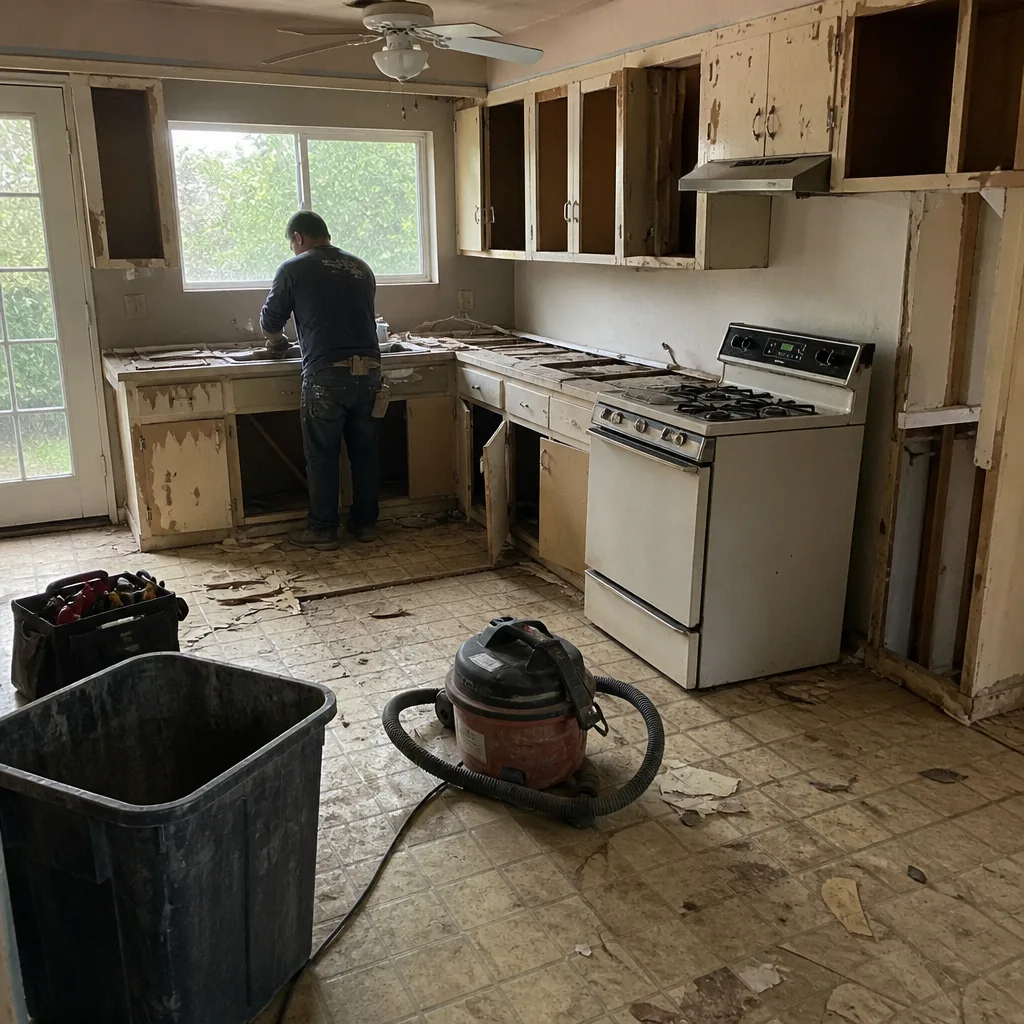 Before
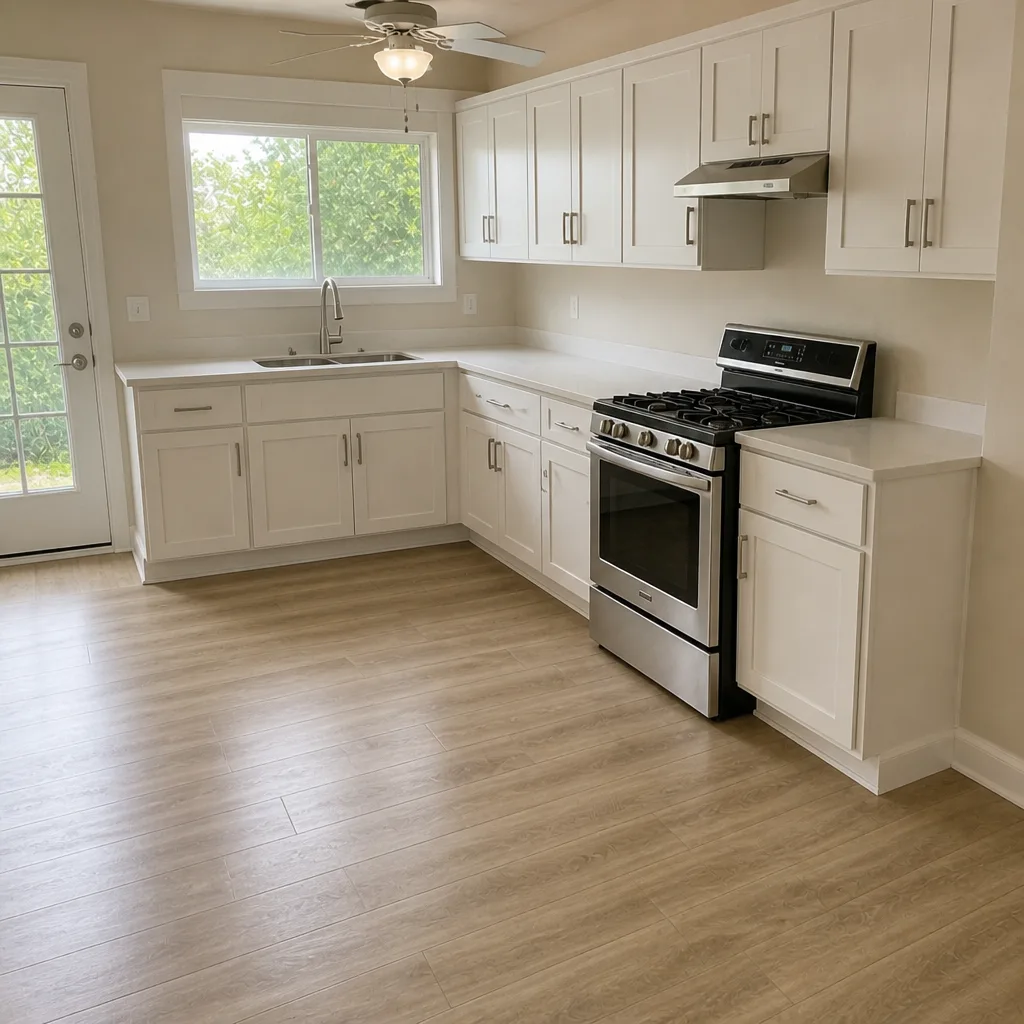 After
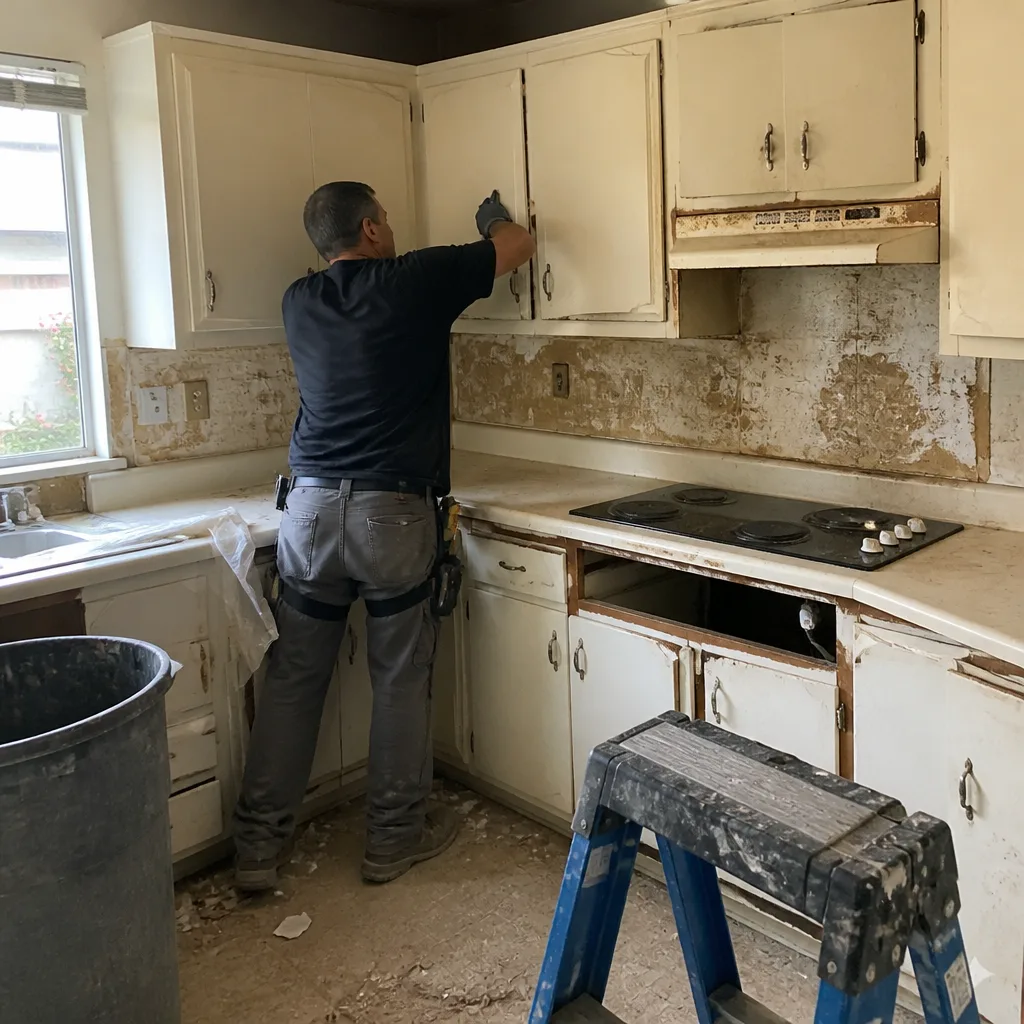 Before
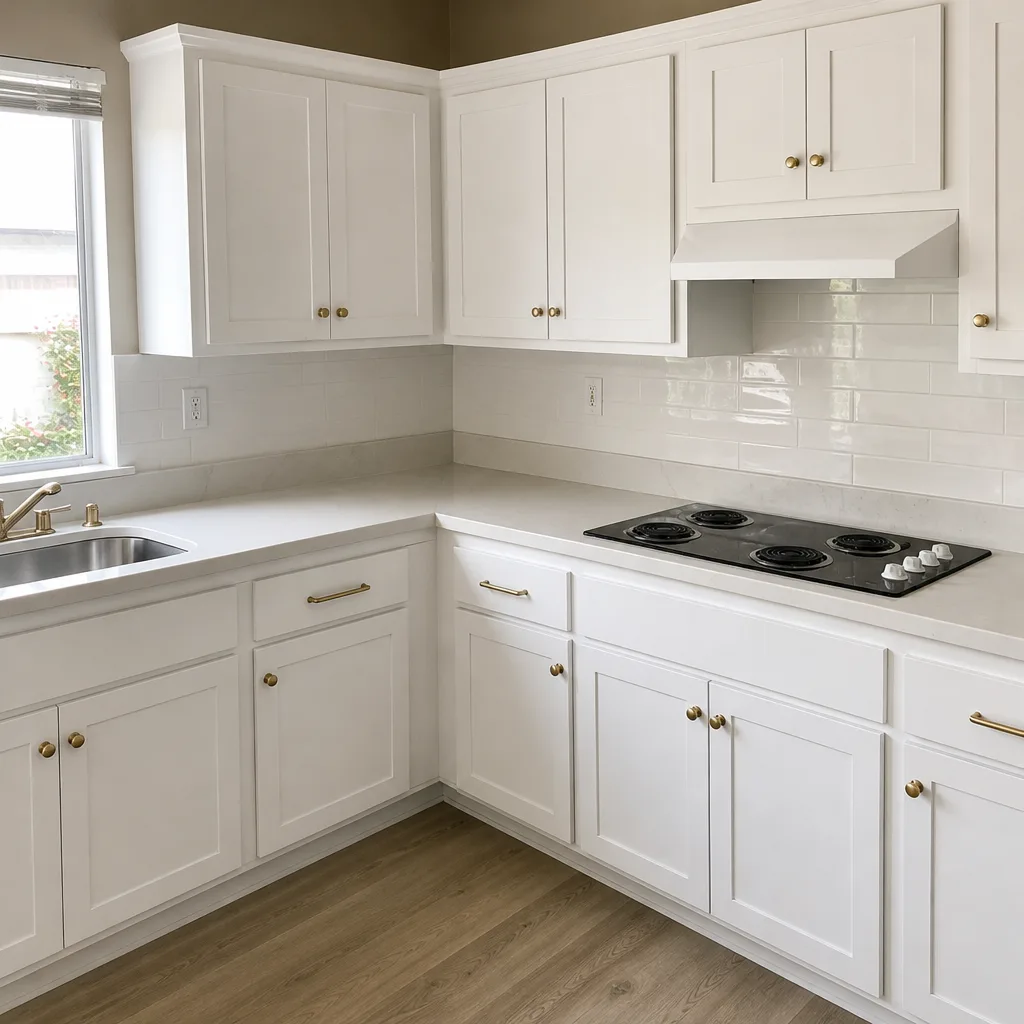 After
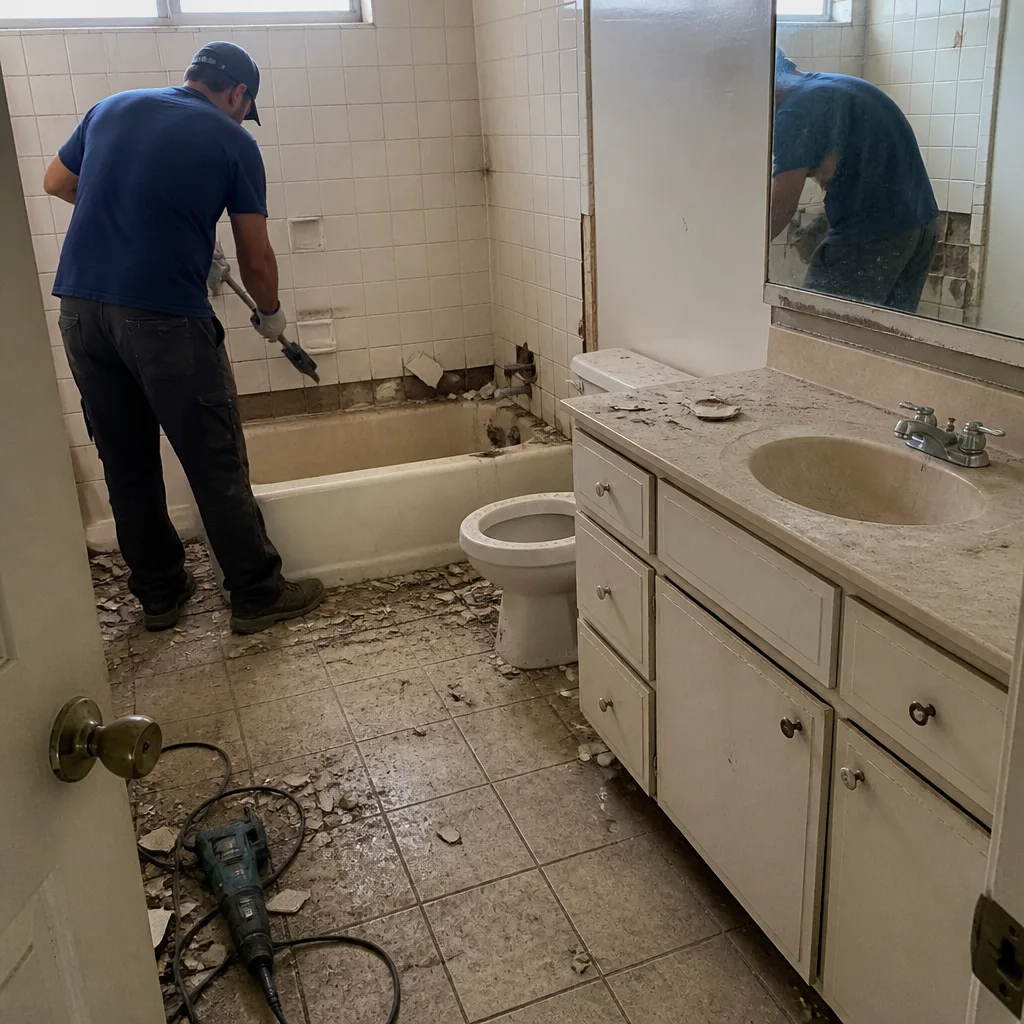 Before
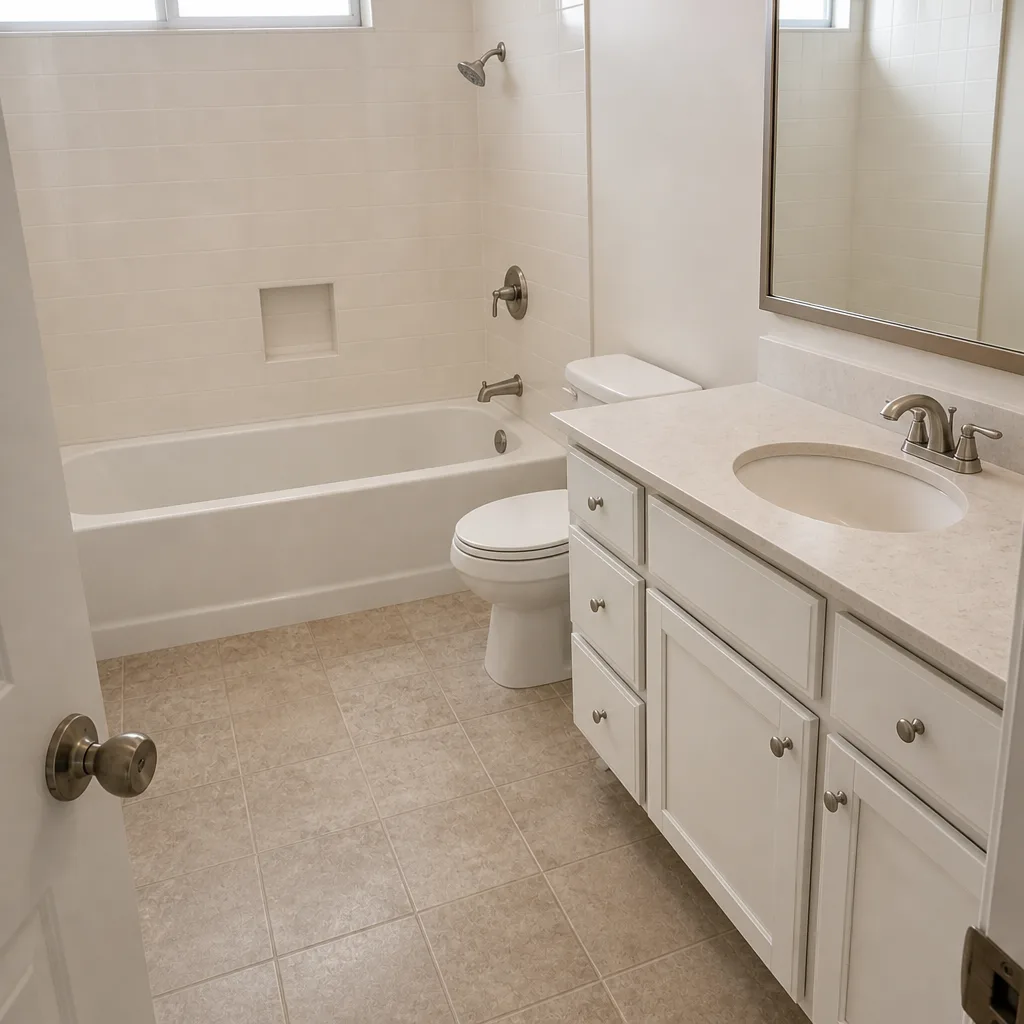 After
Frequently Asked Questions
A kitchen remodel in Yorba Linda comes in as an estimated range per job rather than a single market number, since the variance runs mostly on cabinetry brand, countertop material, and whether any structural work is involved. Cabinet lines like KraftMaid or Wellborn and countertops in quartz from Cambria, Silestone, or Caesarstone each sit in a different price tier, and the bid should show them as line items so you can compare tiers before deciding. Call (888) 356-5940 for an exact written estimate at no cost.
In most cases, yes. A B-General Building Contractor license covers projects spanning more than two unrelated trades, which is the classification a kitchen or bathroom remodel that touches structure, plumbing, and electrical generally requires. Trade-specific C licenses cover individual trades. Verify the class through the CSLB before signing, and confirm the classification matches the scope on the bid.
Only if the scope changes and you sign a written change order. A complete bid with all the structural work, the permit fee, and the material allowances listed at the outset is a bid that doesn’t need to be renegotiated mid-project. Verbal change agreements are the exception that proves the rule, and they’re the most common source of friction we see in Orange County projects. Call (888) 356-5940 for a free estimate with line-item pricing.
Yes. Permits are part of the scope on projects that require them, and the fee appears as a line item on the bid. Yorba Linda reviews and inspects residential work at each stage, and the contractor is responsible for scheduling inspections and passing them. If your current bid doesn’t show a permit line, ask before you sign.
It depends on the project. A kitchen that requires re-plumbing and inspection takes longer than a cosmetic refresh, and an ADU build runs on a much longer schedule than either. The bid should name the sequence of phases and the inspection stages, since those add fixed days to the calendar. A contractor who can show you the schedule phase by phase is a contractor who has actually planned the work.
Yes. ADU projects can run through either traditional site-built construction or a prefab partner path, including Abodu, Dvele, Mighty Buildings, and Plant Prefab. The right route depends on the lot, the target timeline, and the design preference, so it’s worth asking both paths to be compared in the bid before you commit to one. Call (888) 356-5940 to schedule a free estimate.
The Bottom Line
A bid is a scope document, not a number. Compare the permit line, the inspection scheduling, the material brands, the allowances, and the accountable party across every proposal, and a $40,000 gap usually explains itself. Verify the license through the CSLB before you spend a minute on price. Ask who is on the job, ask for written change orders, and ask for brand specifications you can actually compare. When one contractor holds the whole scope from permit to punch list, the accountability math works in your favor. Our technicians have up to 9 years of experience, our estimates are free, and our written line-item quotes set the final price with no change orders. One contractor, every trade. That’s the standard we’d ask for, and the standard we hold ourselves to for homeowners in Yorba Linda and beyond.
Contact
Planning a project in Yorba Linda and want a line-item bid you can read? Call (888) 356-5940 for a free estimate. We answer 24/7. Fast dispatch from 7am to 7pm, Sunday through Friday, closed Saturday. You choose the brand, we handle the installation, and the written estimate sets the price.
Written by the team at Construction Yorba Linda.